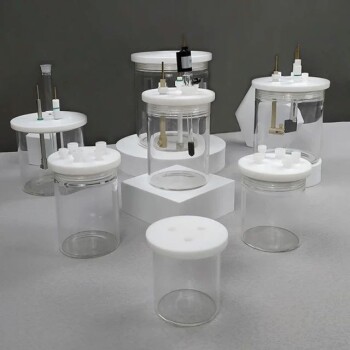
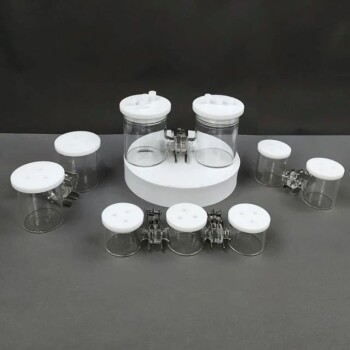
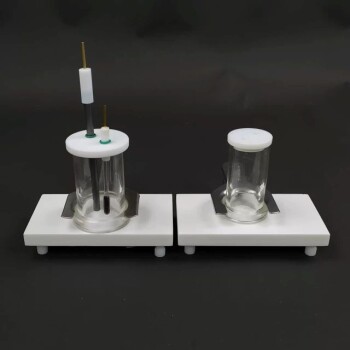
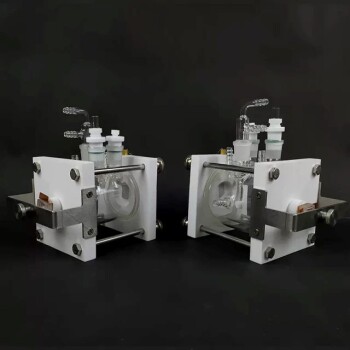
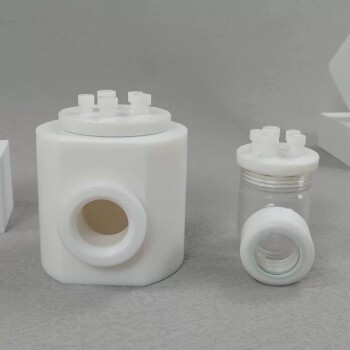
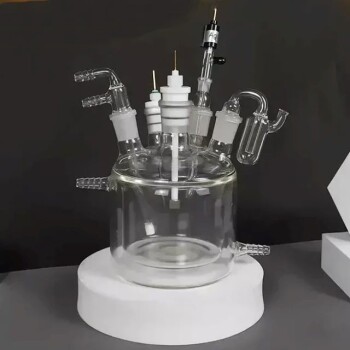
The standard configuration for an in-situ Raman electrolytic cell typically utilizes a specific three-electrode system to ensure electrochemical stability during spectroscopic analysis. This setup consists of a micro platinum sheet electrode clamp serving as the working electrode, a platinum wire ring acting as the counter electrode, and an Ag/AgCl electrode functioning as the reference electrode.
The effectiveness of in-situ Raman spectroscopy relies on combining precise electrochemical control with real-time optical detection. By utilizing a standardized three-electrode system—featuring Platinum for conductivity and Ag/AgCl for potential stability—researchers can accurately observe surface modifications and electrolyte changes during the reaction process.
The Standard Electrode Configuration
To facilitate accurate real-time detection, the cell is engineered to accommodate a three-electrode system. This configuration isolates the reference potential from the current-carrying electrodes, allowing for precise control over the reaction environment.
The Working Electrode (WE)
The primary site of the reaction is the micro platinum sheet electrode clamp. This component holds the material being studied or acts as the substrate itself, allowing Raman lasers to focus directly on the surface where electrochemical changes, such as metal electrodeposition, occur.
The Counter Electrode (CE)
To complete the electrical circuit without interfering with the working electrode's reaction, the system employs a platinum wire ring electrode. Platinum is chosen for its chemical inertness and high conductivity, ensuring distinct current flow through the electrolyte.
The Reference Electrode (RE)
To monitor and control the potential of the working electrode accurately, an Ag/AgCl electrode is used. This provides a stable, known potential against which the working electrode's voltage is measured.
Cell Design and Physical Specifications
The physical structure of the cell is manufactured with specific tolerances to secure these electrodes while managing fluid dynamics.
Electrode Port Dimensions
The cell features three specific openings dedicated to the electrode section. These openings have a standard diameter of Φ6.2mm, designed to fit the shafts of the standard electrodes mentioned above.
Fluid and Gas Management
In addition to the electrode ports, the cell includes four smaller openings with a diameter of Φ3.2mm. These are utilized for gas and liquid inlets and outlets, allowing for the continuous flow of electrolytes or the introduction of gases during experiments.
Volume and Customization
The standard volume for this electrolytic cell is 20ml. However, because experimental requirements vary, the size of the cell and the number of openings can typically be customized to fit specific research needs.
Understanding Operational Considerations
While the standard configuration covers most general applications, it is vital to understand the limitations and physical constraints of the hardware.
Geometric Constraints
You must ensure your electrode shafts match the Φ6.2mm openings. Using electrodes with different shaft diameters will result in poor sealing, which can lead to electrolyte evaporation or oxygen contamination during sensitive experiments.
Material Compatibility
While Platinum and Ag/AgCl are standard, they are not universal. You must verify that these materials will not react adversely with your specific electrolyte or interfere with the Raman signals of the target substance.
Optimizing Your Setup for Real-Time Detection
When configuring your in-situ Raman electrolytic cell, your choice of components should align with your specific experimental goals.
- If your primary focus is standard electrochemical analysis: Adhere to the default configuration (Pt Sheet Clamp, Pt Ring, Ag/AgCl) to ensure compatibility with the standard 20ml cell volume and Φ6.2mm ports.
- If your primary focus is studying non-standard geometries or volumes: Request customization for the number and size of openings to accommodate specialized electrodes or larger electrolyte volumes before purchasing.
By selecting the correct electrode configuration and ensuring physical compatibility with the cell ports, you guarantee high-fidelity data on both electrode surface dynamics and electrolyte composition.
Summary Table:
| Electrode Type | Specific Component | Function in In-Situ Raman |
|---|---|---|
| Working Electrode (WE) | Micro platinum sheet electrode clamp | Site of reaction and laser focus for surface detection |
| Counter Electrode (CE) | Platinum wire ring | Completes the circuit with high conductivity and inertness |
| Reference Electrode (RE) | Ag/AgCl electrode | Provides a stable potential to monitor the working electrode |
| Port Dimensions | Φ6.2mm (Electrodes) / Φ3.2mm (Fluid) | Ensures secure sealing and precise fluid/gas management |
Elevate Your Electrochemical Research with KINTEK
Precision in in-situ Raman spectroscopy requires high-performance hardware that guarantees stability and signal clarity. KINTEK specializes in advanced laboratory equipment, offering a comprehensive range of electrolytic cells and electrodes specifically designed for real-time analysis.
Whether you need our standard configuration or customized cell volumes and port dimensions, our experts provide the tools necessary for high-fidelity data. Beyond spectroscopy cells, explore our full portfolio of high-temperature furnaces, high-pressure reactors, and battery research consumables to empower your entire lab workflow.
Ready to optimize your experimental setup? Contact KINTEK today for a consultation and let us help you achieve superior research results.
Related Products
- Electrolytic Electrochemical Cell Gas Diffusion Liquid Flow Reaction Cell
- Electrolytic Electrochemical Cell with Five-Port
- H Type Electrolytic Cell Triple Electrochemical Cell
- Electrolytic Electrochemical Cell for Coating Evaluation
- Thin-Layer Spectral Electrolysis Electrochemical Cell
People Also Ask
- How does the design of an electrochemical electrolytic cell influence the coating uniformity? Optimize Your Catalysts
- What is the correct shutdown and disassembly procedure after an experiment? Ensure Safety and Protect Your Equipment
- Why are electrolytic cells essential in titanium production? Powering Circular Efficiency and Cost Savings
- What is galvanic cell or electrolytic cell? Unlock the Secrets of Electrochemical Power
- What are the three essential components that comprise an electrolytic cell? Key Elements of Chemical Synthesis