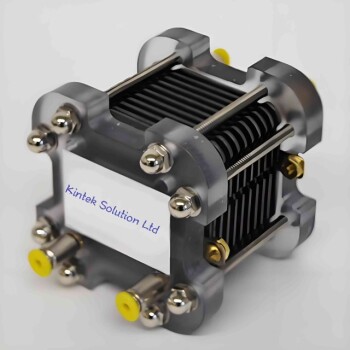
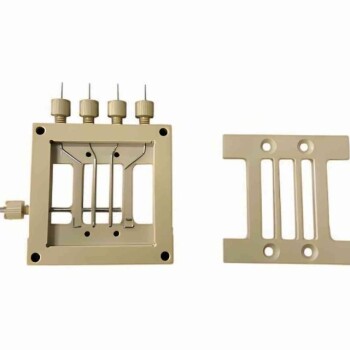
A high-precision electrolytic cell serves as a controlled simulation environment to rigorously test metal materials treated with Deep Cryogenic Treatment (DCT). By replicating extreme chemical conditions—ranging from the high acidity of geothermal sites to the intense salinity of marine waters—the cell enables technicians to perform electrochemical polarization curve tests. These tests directly measure the material's ability to resist corrosion after treatment.
The electrolytic cell quantifies the benefits of Deep Cryogenic Treatment by stressing the material within a simulated environment. It validates the integrity of dense, protective oxide layers, providing concrete data on how the metal will perform under extreme service conditions.
Simulating Extreme Service Conditions
Replicating Geothermal Environments
A primary function of the electrolytic cell is to mimic the harsh chemistry found in energy production.
For geothermal applications, the cell is configured to simulate highly acidic or alkaline environments. This allows engineers to observe how the treated metal interacts with corrosive fluids without the risks of field testing.
Replicating Marine Environments
The cell is equally capable of simulating the high-salinity environments characteristic of marine energy projects.
By adjusting the electrolyte solution, the device replicates the corrosive attack of saltwater. This ensures the material is tested against the specific chloride-induced corrosion mechanisms common in offshore structures.
The Mechanism of Evaluation
Electrochemical Polarization Curve Tests
The core diagnostic tool used within the cell is the electrochemical polarization curve test.
By applying a range of electrical potentials to the metal sample, the system records the resulting current. This data maps the corrosion rate and the material’s passive behavior under stress.
Measuring Protective Oxide Layers
The ultimate goal of this testing is to verify the formation of dense oxide layers.
Deep Cryogenic Treatment promotes the growth of these protective barriers, specifically chromium-rich oxide layers, on the metal substrate. The electrolytic cell measures the stability of this layer, quantifying the "gains" in corrosion resistance achieved through the cryogenic process.
Understanding the Trade-offs
Simulation vs. Real-World Complexity
While a high-precision electrolytic cell provides accurate electrochemical data, it remains a simulation.
It isolates chemical corrosion but does not account for physical factors often present in the field, such as mechanical wear, erosion, or fluctuating temperatures.
Material Dependencies
The test focuses heavily on the detection of specific formations, such as chromium-rich oxides.
This implies that the evaluation is most effective for alloys capable of forming these specific layers (e.g., stainless steels). The results may be less indicative for materials that rely on different passivation mechanisms.
Making the Right Choice for Your Goal
To effectively utilize this evaluation method, align the testing parameters with your specific objectives:
- If your primary focus is Geothermal Application: Ensure the electrolytic solution matches the specific pH levels (acidic or alkaline) of your target site to validate the stability of the oxide layer.
- If your primary focus is Marine Durability: Prioritize testing in high-salinity solutions to confirm the chromium-rich layer is dense enough to prevent pitting corrosion.
By using high-precision electrolytic testing, you transform the theoretical benefits of Deep Cryogenic Treatment into quantifiable, actionable performance data.
Summary Table:
| Feature | Application/Mechanism | Benefit to Research |
|---|---|---|
| Environment Simulation | Geothermal (Acidic/Alkaline) & Marine (Saline) | Replicates harsh real-world service conditions |
| Core Diagnostic Tool | Electrochemical Polarization Curve Tests | Quantifies corrosion rates and material passivity |
| Layer Validation | Chromium-rich Oxide Layer Analysis | Confirms the density and integrity of protective barriers |
| Data Output | Quantitative Performance Metrics | Provides actionable data on DCT treatment efficacy |
Elevate Your Material Analysis with KINTEK Precision Solutions
Don't leave your material integrity to chance. KINTEK specializes in advanced laboratory equipment designed for the most demanding research applications. Whether you are validating Deep Cryogenic Treatments or exploring material limits, our high-performance electrolytic cells and electrodes provide the precision you need.
From high-temperature furnaces and vacuum reactors to our specialized battery research tools and cooling solutions, KINTEK empowers researchers with reliable, industry-leading technology.
Ready to optimize your testing accuracy? Contact us today to explore our comprehensive range of electrolytic systems and laboratory consumables!
References
- Patricia Jovičević-Klug, Michael Rohwerder. Sustainable New Technology for the Improvement of Metallic Materials for Future Energy Applications. DOI: 10.3390/coatings13111822
This article is also based on technical information from Kintek Solution Knowledge Base .
Related Products
- PTFE Electrolytic Cell Electrochemical Cell Corrosion-Resistant Sealed and Non-Sealed
- Customizable PEM Electrolysis Cells for Diverse Research Applications
- Super Sealed Electrolytic Electrochemical Cell
- H Type Electrolytic Cell Triple Electrochemical Cell
- H-Type Double-Layer Optical Electrolytic Electrochemical Cell with Water Bath
People Also Ask
- What is the necessity of selecting a PTFE electrolytic cell? Ensure Precise Graphene Corrosion Testing Accuracy
- What is the proper method for cleaning the surface of an all-PTFE electrolytic cell? Ensure Accurate Results with a Pristine Surface
- How should an all-PTFE electrolytic cell be stored after use? Expert Maintenance Tips for Long-Lasting Performance
- What is the proper cleaning method for an all-PTFE electrolytic cell? Essential Tips for Surface Integrity
- What are the standard opening specifications for all-PTFE electrolytic cells? A Guide to Sealed vs. Non-Sealed Ports