High-pressure reactors and PTFE liners are the dual pillars of successful solvothermal MOF synthesis. These components create a sealed, high-temperature environment that allows solvents to remain in a liquid state well above their normal boiling points. This setup generates the autogenous pressure necessary to drive the nucleation and growth of complex crystal structures while protecting the reaction from contamination and corrosion.
High-pressure reactors provide the thermodynamic energy required for precursor solubility and crystal assembly, while PTFE liners act as an essential chemical barrier to ensure high material purity and reactor longevity.
The Role of the High-Pressure Reactor
Achieving Superheated Liquid States
The primary function of the high-pressure reactor, or autoclave, is to maintain a sealed environment where solvents can be heated beyond their boiling points. This creates autogenous pressure, which keeps solvents like dimethylformamide (DMF) or ethanol in a liquid state at temperatures such as 120°C to 125°C.
Driving Nucleation and Crystal Growth
This high-energy environment is critical for increasing the solubility of precursors, such as insoluble organic ligands and metal salts. The resulting pressure and temperature accelerate the coordination reactions, facilitating the self-assembly of metal ions and ligands into well-defined geometric morphologies.
Enhancing Crystallinity
By maintaining a constant, controlled environment over long durations, these reactors ensure the ordered growth of crystals. This is essential for producing MOFs with specific crystal plane exposures and high structural integrity, which are vital for applications in catalysis and gas storage.
The Necessity of PTFE Liners
Providing Chemical Inertness
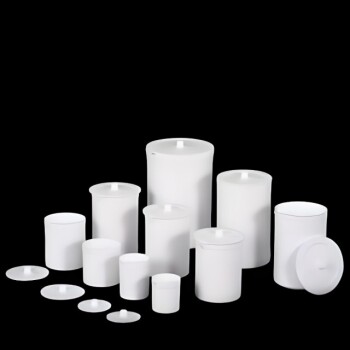
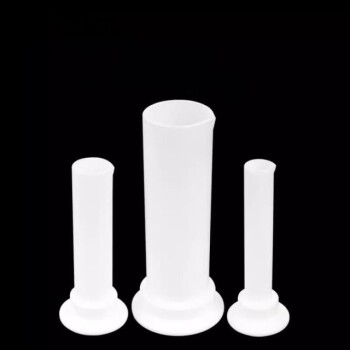
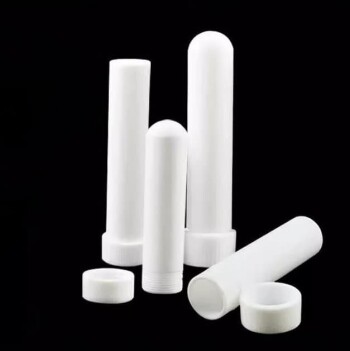
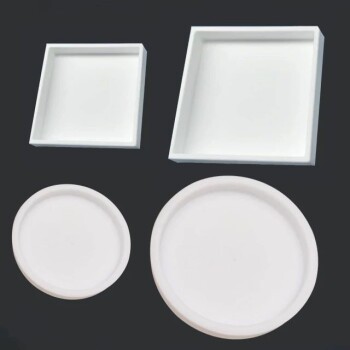
Polytetrafluoroethylene (PTFE) is used for reactor liners because of its exceptional resistance to chemical corrosion. Many MOF syntheses involve aggressive reagents, including strong acids and organic solvents, which would otherwise damage the metal reactor body.
Preventing Metal Ion Contamination
If reaction liquids were to contact the stainless steel body of a reactor directly, they could leach impurity ions into the solution. The PTFE liner ensures that the only metal ions present are those intended for the MOF structure, thereby maintaining the high purity of the resulting crystalline product.
Ensuring System Stability
PTFE also serves a critical role in sealing the system. Its thermal stability and resistance to deformation under pressure prevent solvent leakage, which is vital for maintaining the internal pressure required for the reaction to reach completion.
Understanding the Trade-offs
Temperature Limitations
While PTFE is highly effective, it has a clear thermal ceiling, typically around 250°C. Exceeding this limit can cause the liner to soften or release toxic fumes, meaning researchers must choose alternative liner materials, like PEEK or quartz, for ultra-high-temperature synthesis.
Heat Transfer Inefficiency
PTFE acts as an insulator, which can lead to a lag between the temperature of the oven and the actual temperature of the reaction solution. This requires careful calibration of heating times to ensure the precursors reach the required activation energy for nucleation.
Making the Right Choice for Your Synthesis Goal
- If your primary focus is High Crystallinity: Ensure your high-pressure reactor is rated for the specific autogenous pressure generated by your solvent at your target temperature to allow for slow, ordered crystal growth.
- If your primary focus is Material Purity: Always inspect your PTFE liner for scratches or degradation, as even minor surface breaches can introduce unwanted metal contaminants from the reactor wall.
- If your primary focus is Corrosive Functionalization: Utilize thick-walled PTFE liners specifically designed for acidic aqueous solutions to prevent "breathing" and protect the integrity of the outer autoclave.
By mastering the balance between thermodynamic pressure and chemical protection, researchers can reliably synthesize the high-performance frameworks required for modern material science.
Summary Table:
| Component | Role in Synthesis | Key Benefit |
|---|---|---|
| High-Pressure Reactor | Maintains autogenous pressure | Enables solubility and ordered crystal nucleation |
| PTFE Liner | Provides chemical isolation | Prevents metal ion contamination and corrosion |
| Thermal Control | Regulates reaction energy | Ensures consistent geometric morphology and crystallinity |
Elevate Your Material Research with KINTEK
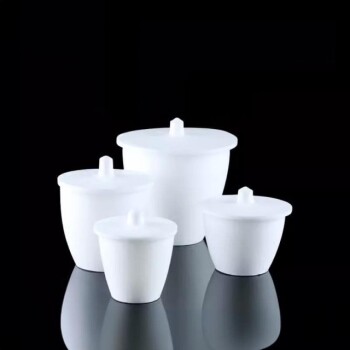
Precision is the backbone of successful MOF synthesis. At KINTEK, we specialize in providing researchers with the high-performance tools needed to achieve exceptional results. From our robust high-temperature high-pressure reactors and autoclaves to our chemically resistant PTFE products and crucibles, our equipment is designed to withstand aggressive reagents and maintain the extreme environments your synthesis requires.
Whether you are scaling up production or conducting delicate laboratory experiments, KINTEK offers a comprehensive range of laboratory equipment—including muffle furnaces, crushing systems, and hydraulic presses—to support every stage of your workflow.
Ready to optimize your lab’s efficiency and ensure high-purity results?
Contact KINTEK Today to explore our full portfolio and find the perfect solution for your research goals.
References
- Rimsha Mehek, Alexey Y. Ganin. Efficient electrochemical performance of MnO2 nanowires interknitted vanadium oxide intercalated nanoporous carbon network as cathode for aqueous zinc ion battery. DOI: 10.1016/j.jiec.2023.03.031
This article is also based on technical information from Kintek Solution Knowledge Base .
Related Products
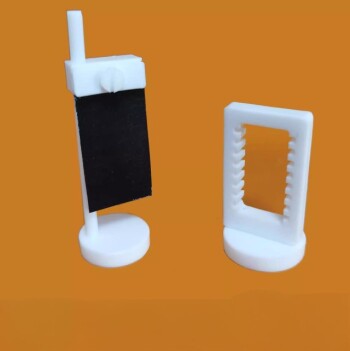
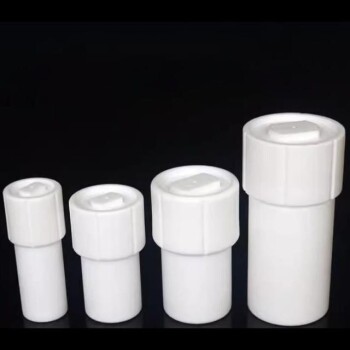
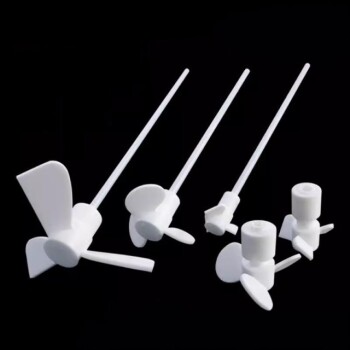
- Custom PTFE Teflon Parts Manufacturer for Hydrothermal Synthesis Reactor Polytetrafluoroethylene Carbon Paper and Carbon Cloth Nano-growth
- Stainless High Pressure Autoclave Reactor Laboratory Pressure Reactor
- High Pressure Laboratory Autoclave Reactor for Hydrothermal Synthesis
- Customizable High Pressure Reactors for Advanced Scientific and Industrial Applications
- Custom PTFE Teflon Parts Manufacturer for Microwave Digestion Tank
People Also Ask
- What is the function of a PTFE reactor in MXene etching? Ensure Safe, High-Purity MAX Phase Conversion
- Why is a PTFE reactor required for titanium-based nano-ceramic coating solutions? Ensure Chemical Inertness & Purity
- Why must a Polytetrafluoroethylene (PTFE) reactor be used for Ti3C2TX MXene etching? Ensure Safety and Purity
- Why are PTFE reactors preferred for silver phosphate glass testing? Ensure Purity and Kinetic Accuracy
- What are the advantages of using polytetrafluoroethylene (PTFE) liners in hydrothermal synthesis reactors? High Purity