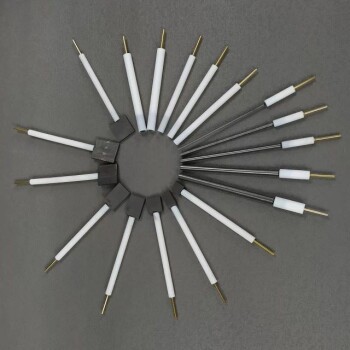
A Glassy Carbon Electrode (GCE) is the preferred substrate for paracetamol biomimetic sensors because it combines excellent electrical conductivity with superior mechanical stability. It provides a robust, inert platform that facilitates the efficient transfer of electrical charges from biomimetic catalysts to the detection circuit, ensuring accurate monitoring.
The Glassy Carbon Electrode acts as a high-performance interface between biological recognition and electronic readout. Its wide electrochemical window and stable surface properties allow it to support sensitive catalytic films without introducing signal interference.
The Critical Role of Substrate Properties
Electrical Conductivity
For a sensor to function, the signal generated by the chemical reaction must reach the readout device. The GCE possesses excellent electrical conductivity.
This ensures that the electrical charges generated at the catalytic sites are efficiently transferred to the detection circuit with minimal loss.
Wide Electrochemical Window
A key advantage of GCE is its wide electrochemical window. This means the electrode remains stable over a broad range of potentials without triggering unwanted side reactions.
This stability is crucial for isolating the specific electrochemical signal of paracetamol from background noise.
Mechanical Strength and Stability
Sensors require a durable foundation to withstand operational conditions. The GCE offers superior mechanical strength, making it physically robust.
Additionally, once polished and cleaned, the surface provides a stable physicochemical environment. This stability prevents structural degradation that could compromise sensor readings over time.
Enhancing Paracetamol Detection
Supporting Biomimetic Films
Paracetamol monitoring relies on specific catalysts to detect the drug. The GCE serves as an ideal base for loading biomimetic catalysts and polymer films.
The electrode's surface chemistry allows these sensing layers to adhere securely, creating a cohesive sensor architecture.
Optimizing Charge Transfer
The primary goal of the sensor is to convert a chemical presence into an electrical signal. The GCE ensures that electrical charges are efficiently transferred from the specific catalytic sites to the wire.
Without this efficient transfer, even a highly sensitive catalyst would fail to produce a readable signal.
Understanding the Operational Trade-offs
Surface Preparation Requirements
While GCE is highly effective, it is not "plug and play." The primary reference notes the necessity of a polished and cleaned surface.
To achieve a stable physicochemical environment, the electrode requires meticulous preparation. Failing to properly polish the surface can lead to poor adhesion of the biomimetic film or erratic electron transfer rates.
Making the Right Choice for Your Sensor Design
To maximize the effectiveness of your electrochemical sensor, align the electrode's properties with your specific monitoring goals.
- If your primary focus is signal accuracy: Prioritize the GCE for its excellent conductivity, which ensures that charge transfer from the catalyst to the circuit is efficient and lossless.
- If your primary focus is sensor longevity: Rely on the GCE for its superior mechanical strength, which provides the durability needed for repeated or continuous monitoring applications.
By leveraging the stable and conductive nature of Glassy Carbon, you ensure a reliable foundation for sensitive biomimetic detection.
Summary Table:
| Feature | Benefit for Paracetamol Sensors |
|---|---|
| Electrical Conductivity | Ensures efficient, lossless charge transfer from catalyst to circuit. |
| Electrochemical Window | Provides a broad stability range to isolate signals from background noise. |
| Mechanical Strength | Offers a durable, robust foundation for long-term monitoring stability. |
| Surface Chemistry | Facilitates secure adhesion of biomimetic catalysts and polymer films. |
| Chemical Inertness | Prevents unwanted side reactions during sensitive electrochemical detection. |
Elevate Your Electrochemical Research with KINTEK
Precision in paracetamol detection begins with high-quality substrates. KINTEK specializes in advanced laboratory equipment and consumables, providing the high-performance electrolytic cells and electrodes—including premium Glassy Carbon Electrodes—necessary for sensitive biomimetic sensor development.
Whether you are optimizing charge transfer for pharmaceutical analysis or developing new battery research tools, our comprehensive range of high-temperature furnaces, hydraulic presses, and precision ceramics ensures your lab has the foundation it needs for success.
Ready to enhance your sensor sensitivity and durability? Contact KINTEK today to find the perfect electrode solutions for your application!
References
- Mariana Calora Quintino de Oliveira, Marı́a Del Pilar Taboada Sotomayor. Online Monitoring of Electrochemical Degradation of Paracetamol through a Biomimetic Sensor. DOI: 10.4061/2011/171389
This article is also based on technical information from Kintek Solution Knowledge Base .
Related Products
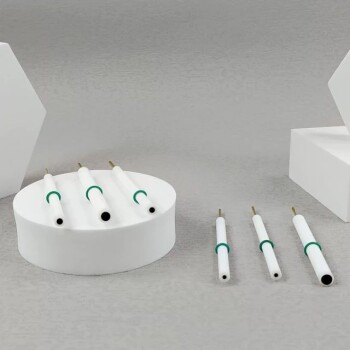
- Glassy Carbon Electrochemical Electrode
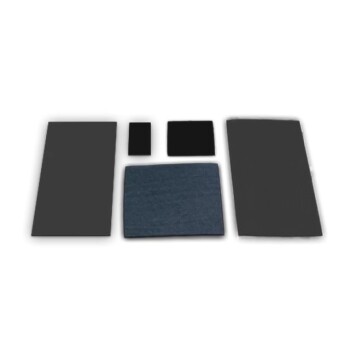
- Glassy Carbon Sheet RVC for Electrochemical Experiments
- Conductive Carbon Cloth Carbon Paper Carbon Felt for Electrodes and Batteries
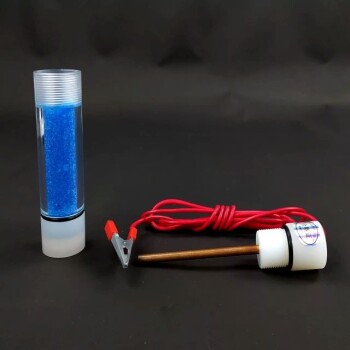
- Copper Sulfate Reference Electrode for Laboratory Use
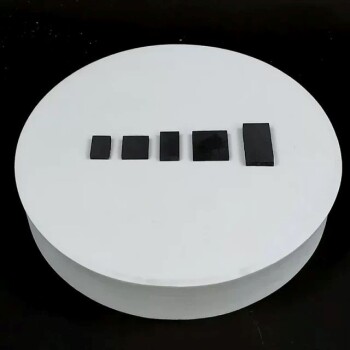
- Graphite Disc Rod and Sheet Electrode Electrochemical Graphite Electrode
People Also Ask
- How do the glassy carbon electrode, SCE, and graphite rod work together in an enzymatic fuel cell? Optimize EFC Testing
- Why is glassy carbon selected for mediator-assisted indirect oxidation of glycerol? The Key to Unbiased Research
- What are the functions of a glassy carbon electrode in CV testing of antioxidants? Enhance Your Redox Analysis Accuracy
- What characteristics make glassy carbon electrodes suitable as anodes? Ideal for Pure Molten Salt Electrolysis
- What are the primary physicochemical reasons for selecting a carbon electrode as the anode in aluminum recovery? 5 Keys