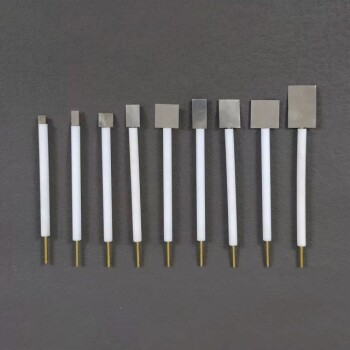
High-purity platinum is used as a counter electrode because it is chemically inert and exceptionally conductive. In the context of testing AISI 316 sintered samples, this ensures the electrochemical circuit is completed without the electrode reacting with the electrolyte or dissolving. This stability allows researchers to isolate and measure the precise corrosion current of the stainless steel sample without interference.
The central takeaway is that platinum’s inertness and high conductivity prevent it from participating in electrochemical reactions. This ensures the resulting polarization curves accurately reflect the corrosion characteristics of the AISI 316 sample rather than the behavior of the test equipment.
Ensuring Signal Integrity through Chemical Inertness
Preventing Electrolyte Contamination
High-purity platinum does not dissolve or release metal ions into the electrolyte, even in aggressive environments. For sintered AISI 316, which may have complex porosity, maintaining a pure chemical environment is vital to prevent secondary reactions from skewing results.
Avoiding Parasitic Redox Reactions
Platinum acts as a "noble" surface that facilitates charge exchange without undergoing its own oxidation or reduction. This ensures that the measured current originates solely from the working electrode (the AISI 316 sample) and not from the counter electrode's degradation.
Stability Across pH Ranges
Whether the testing environment is acidic, alkaline, or neutral, platinum remains stable and non-reactive. This versatility makes it the standard choice for potentiodynamic polarization, where potential is swept across a wide range.
Optimizing Circuit Performance and Current Flow
High Electrical Conductivity
Platinum's superior conductivity ensures a smooth flow of loop current throughout the three-electrode system. This minimizes electrical resistance within the circuit, allowing for highly sensitive measurements of low-level corrosion currents.
Minimizing Self-Polarization
A platinum counter electrode exhibits very low polarization resistance and high electrocatalytic activity. This ensures that the counter electrode does not become a rate-limiting step in the electrochemical process, which would otherwise distort the polarization curve.
Facilitating Uniform Current Distribution
In a three-electrode setup, the platinum sheet provides a reliable path for the return current. This helps maintain a uniform current distribution across the surface of the AISI 316 sintered specimen, which is critical for calculating accurate corrosion rates.
Understanding the Trade-offs
The High Cost of Purity
The primary disadvantage of using high-purity platinum is its significant acquisition cost. While it is the most reliable material, labs must manage these assets carefully to prevent loss or theft.
Surface Area Requirements
To be effective, the counter electrode must generally have a much larger surface area than the working electrode. If the platinum sheet is too small, it can limit the current flow, leading to data that suggests the AISI 316 is more stable than it actually is.
Sensitivity to Certain Contaminants
While platinum is generally inert, it can be "poisoned" by specific species like sulfur or certain organic molecules. In these rare cases, the electrocatalytic activity of the platinum may decrease, potentially affecting the stability of the measurement.
How to Apply This to Your Project
Making the Right Choice for Your Goal
- If your primary focus is high-precision research and publication: Always use a high-purity platinum sheet or mesh to ensure the most scientifically valid and reproducible data.
- If your primary focus is routine industrial quality control: You may consider high-density graphite as a lower-cost alternative, provided you verify it does not contaminate your specific electrolyte.
- If your primary focus is testing in highly specialized electrolytes (like molten salts): Consult material compatibility charts to ensure platinum remains the most stable choice for those specific temperatures and chemical compositions.
Using a platinum counter electrode remains the definitive method for ensuring that your electrochemical data is a true reflection of your material's performance.
Summary Table:
| Feature | Benefit for AISI 316 Testing | Impact on Data Accuracy |
|---|---|---|
| Chemical Inertness | Prevents electrolyte contamination and parasitic reactions | Isolates precise corrosion current of the sample |
| High Conductivity | Minimizes electrical resistance in the circuit | Allows sensitive measurement of low-level currents |
| Stability | Remains non-reactive across wide pH and potential ranges | Ensures reliable polarization curves without interference |
| Electrocatalytic Activity | Reduces self-polarization resistance | Prevents the counter electrode from limiting the reaction rate |
Elevate Your Electrochemical Research Precision
Ensure the highest signal integrity in your corrosion studies and material characterization with KINTEK’s premium laboratory solutions. We specialize in high-performance electrolytic cells and electrodes, including high-purity platinum sheets and meshes designed to deliver the stability your research demands.
Beyond electrochemical testing, KINTEK offers a comprehensive range of equipment tailored for advanced material science, including:
- High-temperature furnaces (Muffle, Vacuum, CVD/PECVD) for specialized heat treatments.
- Battery research tools and consumables for energy storage innovation.
- Precision hydraulic presses and crushing/milling systems for sample preparation.
Don't let equipment limitations skew your data. Partner with KINTEK for reliable, high-quality laboratory consumables and systems that empower your discoveries.
Contact our technical experts today to find the perfect solution for your lab!
References
- Luz Adriana Cañas-Mendoza, L. Mujica Roncery. Study Of the Effect of Titanium Additions on The Mechanical and Corrosion Properties of AISI 316 Powder Metallurgical Steel. DOI: 10.14483/23448393.19867
This article is also based on technical information from Kintek Solution Knowledge Base .
Related Products
- Platinum Sheet Electrode for Laboratory and Industrial Applications
- Platinum Sheet Electrode for Battery Lab Applications
- High Purity Gold Platinum Copper Iron Metal Sheets
- High-Purity Titanium Foil and Sheet for Industrial Applications
- Gold Electrochemical Sheet Electrode Gold Electrode
People Also Ask
- What is a common use for a platinum sheet electrode? As a Reliable Counter Electrode in Electrochemical Cells
- What is the most critical guideline for immersing a platinum sheet electrode in an electrolyte? Ensure Accurate Electrochemical Measurements
- What is the purity of the platinum sheet in a platinum sheet electrode? The Key to Reliable Electrochemical Data
- What is the expected lifespan of a platinum sheet electrode? Maximize Your Electrode's Service Life
- What are the available specifications for platinum sheet electrodes? Find the Perfect Fit for Your Electrochemical Needs