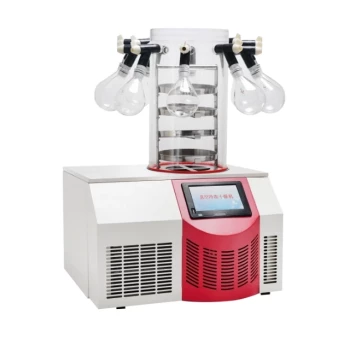
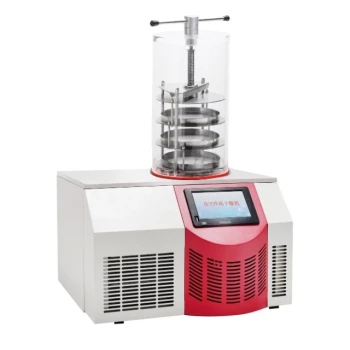
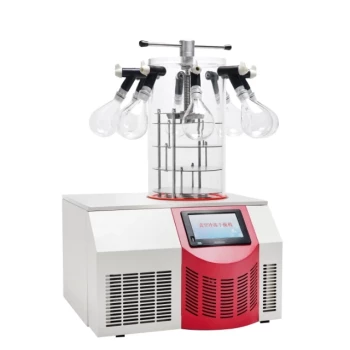
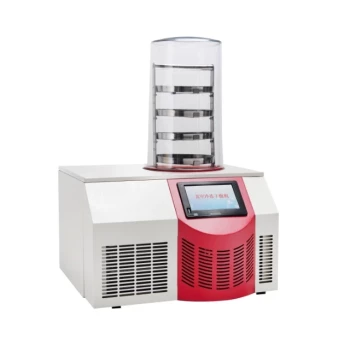
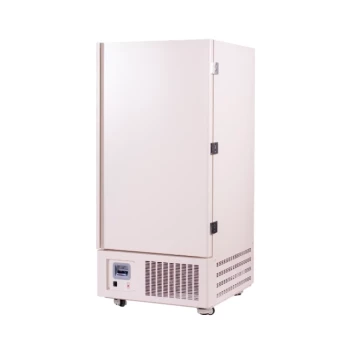
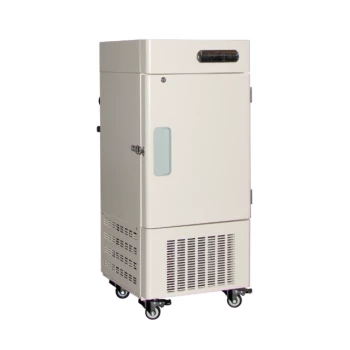
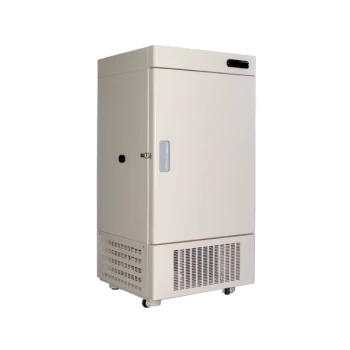
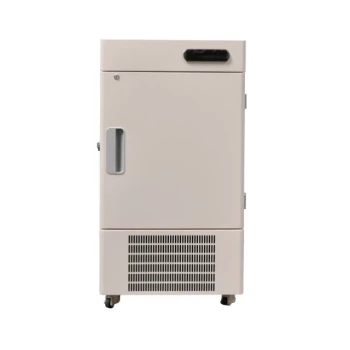
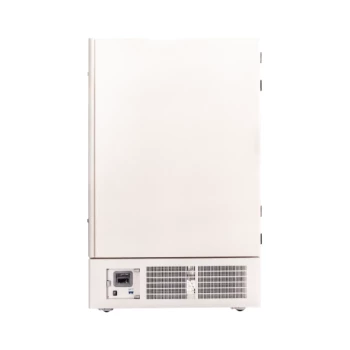
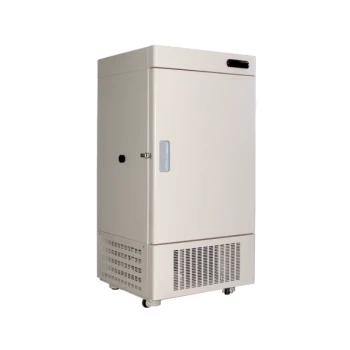
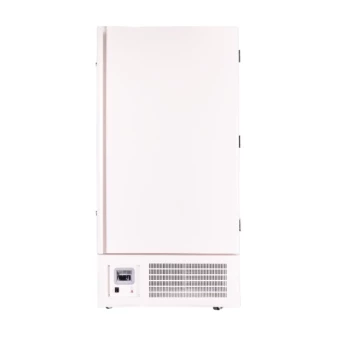
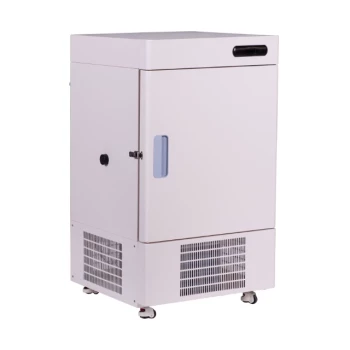
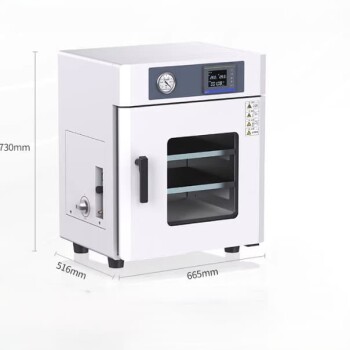
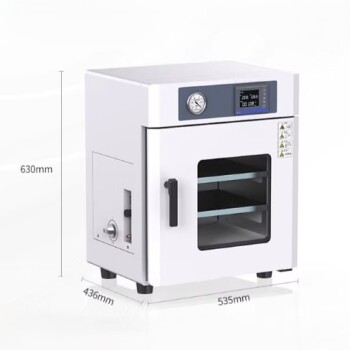
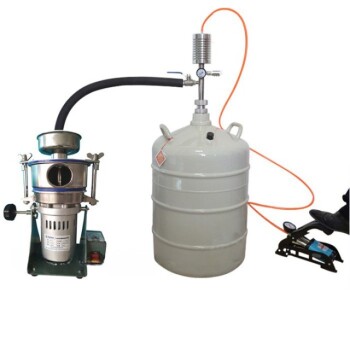
The primary function of a laboratory freeze dryer in this context is to remove moisture from biomass residues while rigorously preserving their physical structure. Unlike conventional thermal drying, which often causes fibers to collapse or aggregate, freeze drying retains the material's original porosity and morphology. This preservation is a prerequisite for generating accurate data regarding the structural impact of pretreatment methods.
Freeze drying removes moisture through sublimation, preventing the structural deformation caused by liquid evaporation. This step is critical to ensure that subsequent analytical techniques, such as surface area testing and microscopy, measure the actual effects of the pretreatment rather than artifacts created by the drying process itself.
The Critical Role of Structural Preservation
The Mechanism of Sublimation
Freeze drying operates by freezing the biomass and then reducing the surrounding pressure. This allows the frozen water to transition directly from a solid state to a gas, a process known as sublimation.
By bypassing the liquid phase, the process avoids the high surface tension forces associated with liquid evaporation. It is these forces in conventional drying that typically pull cell walls together, resulting in shrinkage and fiber collapse.
Retaining Pretreatment Effects
Biomass pretreatment, such as cavitation, is often performed specifically to disrupt the biomass structure and increase porosity.
If the sample is dried using heat, the structure typically collapses, effectively erasing the physical changes the pretreatment was designed to create. Freeze drying "locks in" the open, porous structure achieved during the wet pretreatment stage.
Implications for Downstream Characterization
Accuracy in BET Surface Area Analysis
Brunauer-Emmett-Teller (BET) analysis relies entirely on the accessible surface area and pore volume of the material.
If the material has suffered from aggregation or collapse during drying, the BET results will show a falsely low surface area. Freeze drying ensures the original pore structure is accessible, providing data that truly reflects the pretreatment's efficiency.
Fidelity in SEM Observations
Scanning Electron Microscopy (SEM) is used to visually assess morphological changes, such as fiber disruption or surface etching.
A thermally dried sample may appear dense and smooth due to aggregation, misleading the observer. A freeze-dried sample maintains its morphological integrity, allowing researchers to visualize the actual impact of cavitation or other treatments.
Reproducibility of Biological Samples
Beyond physical structure, freeze drying is essential for maintaining the overall integrity of biological samples, including sensitive enzymes.
As noted in broader research contexts, this preservation minimizes variability between batches. It ensures that the residues remain stable and that experimental results are reproducible over time.
Understanding the Trade-offs
Processing Time and Complexity
While superior for preservation, freeze drying is a significantly slower process than oven drying. It requires longer cycle times to achieve full moisture removal, potentially creating a bottleneck in high-throughput workflows.
Equipment and Energy Demands
Freeze dryers are more complex and energy-intensive than standard laboratory ovens. The requirement for vacuum pumps and refrigeration systems adds to the operational cost and maintenance burden of the laboratory.
Making the Right Choice for Your Goal
To ensure your analytical data is valid, select your drying method based on the specific properties you need to measure.
- If your primary focus is structural analysis (BET, SEM): You must use a freeze dryer to prevent pore collapse and ensure the data reflects the true impact of the pretreatment.
- If your primary focus is simple compositional mass balance: You may be able to use thermal drying, provided the heat does not degrade the specific chemical components you are measuring.
By choosing freeze drying, you prioritize the physical fidelity of your sample, ensuring your characterization results are an accurate representation of reality.
Summary Table:
| Feature | Freeze Drying (Sublimation) | Thermal Drying (Evaporation) |
|---|---|---|
| Mechanism | Solid to Gas (Bypasses Liquid) | Liquid to Gas |
| Structural Impact | Preserves porosity & morphology | Causes fiber collapse & aggregation |
| Surface Area (BET) | Accurate, reflects pretreatment | Falsely low due to shrinkage |
| Microscopy (SEM) | Clear, high-fidelity morphology | Misleading, dense surface artifacts |
| Sample Stability | High (ideal for biologicals) | Risk of thermal degradation |
Elevate Your Research with KINTEK Precision Solutions
Don't let drying artifacts compromise your analytical data. KINTEK specializes in high-performance laboratory equipment designed for the most demanding research applications. Our advanced cooling solutions, including high-efficiency freeze dryers and cold traps, ensure your biomass residues and biological samples maintain their structural integrity for flawless BET and SEM characterization.
Whether you are optimizing pretreatment with our crushing and milling systems or conducting advanced material synthesis in our high-temperature furnaces, KINTEK provides the reliability and precision your lab deserves. From high-pressure reactors to essential PTFE and ceramic consumables, we are your partner in scientific excellence.
Ready to achieve more accurate and reproducible results? Contact our experts today to find the perfect equipment for your workflow!
References
- Federico Verdini, Giancarlo Cravotto. Cellulose Recovery from Agri-Food Residues by Effective Cavitational Treatments. DOI: 10.3390/app11104693
This article is also based on technical information from Kintek Solution Knowledge Base .
Related Products
- High Performance Laboratory Freeze Dryer
- High Performance Laboratory Freeze Dryer for Research and Development
- Benchtop Laboratory Freeze Dryer for Lab Use
- Benchtop Laboratory Vacuum Freeze Dryer
- 808L Precision Laboratory Vertical Ultra Low Temperature Freezer
People Also Ask
- What role does a laboratory freeze dryer play in the synthesis of graphene-based electrocatalysts? Preserve 3D Structures
- What are the technical advantages of using a laboratory freeze dryer for porous carbon precursors? Preserve 3D Networks
- What types of liquid samples can be processed using a laboratory freeze dryer? Preserve Your Sensitive Materials
- How do laboratory freeze dryers support scientific research? Preserve Sample Integrity for Reproducible Results
- Why is a laboratory freeze dryer preferred over traditional heating? Preserve Biochar Structure & Maximize Porosity