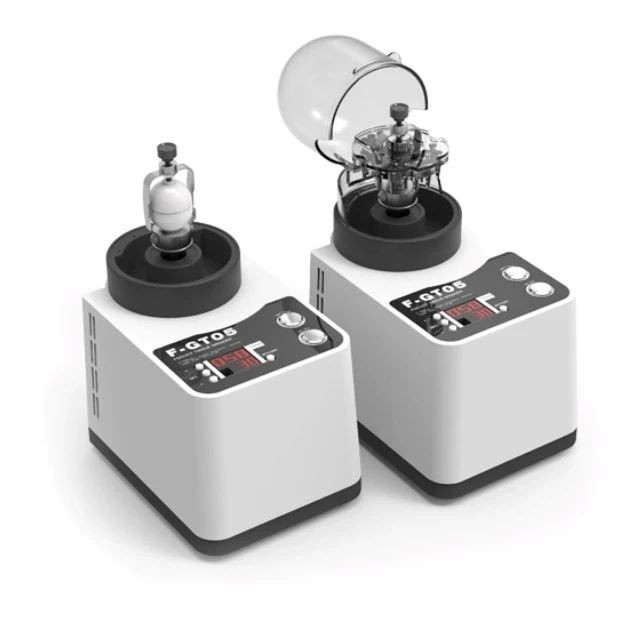
Milling Equipment
Laboratory Micro Tissue Grinding Mill Grinder
Item Number : KT-MT10
Price varies based on specs and customizations
- Maximum injection size
- < 6 mm
- Sample particle size range
- 0.1-20 um
- Range of motion
- 12mm
- Movement frequency
- 3000 times/min

Shipping:
Contact us to get shipping details Enjoy On-time Dispatch Guarantee.
Why Choose Us
Easy ordering process, quality products, and dedicated support for your business success.
Introduction
KT-MT10 is a miniature ball mill with a compact structure design. The width and depth are only 15X21 cm, and the total weight is only 8 kg. It can be used with a minimum 0.2ml centrifuge tube or a maximum 15ml ball mill jar. Efficiency in the field of micro-sample grinding, which solves the problem of poor treatment effect of sticking pots and balls in the processing of single-gram or multi-gram micro-level samples, and maximizes the processing effect. It can be applied to laboratory cell tissue breaking and powder grinding analysis; K- MT10 has no complicated program setting, and the simple PLC time control system can realize the functions of continuous and intermittent grinding and timing start grinding. Crushing, grinding and mixing effects.
- Processing principle: impact force
- Application sample characteristics: fine | low to medium hardness | brittle | dry or wet
- Processing Type: Grinding | Blending
- Function: continuous operation | intermittent operation | timing operation | timing start | power failure memory
Applications
The Micro Tissue Grinder is a versatile laboratory tool designed for grinding, homogenizing, and mixing various materials under different conditions, including dry, wet, and cryogenic environments. Its application extends across multiple scientific disciplines, making it an essential instrument for sample preparation in research and development. Here are the main application areas of the Micro Tissue Grinder:
- Biological Research: Ideal for grinding tissues, cells, and biological samples for molecular and cellular analysis.
- Pharmaceutical Analysis: Used for grinding medicinal herbs, drugs, and chemical products to prepare samples for quality control and efficacy testing.
- Geological Studies: Effective in grinding minerals, rocks, and soil samples for mineralogical and geochemical analyses.
- Food Science: Utilized for grinding grains, fruits, oils, and other food products for nutritional analysis and quality assessment.
- Forensic Science: Helps in grinding materials like hair, bones, and fibers for forensic analysis and evidence testing.
- Materials Science: Used for grinding ceramics, plastics, and other materials for testing their mechanical and physical properties.
- Environmental Science: Essential for grinding samples of waste, slag, and other environmental materials for analysis and monitoring.
- Agricultural Research: Useful for grinding seeds, plants, and grains for agricultural studies and seed viability tests.
These applications highlight the Micro Tissue Grinder's flexibility and effectiveness in handling a wide range of materials, ensuring precise and efficient sample preparation across various scientific fields.
Features
The Micro Tissue Grinder is a specialized laboratory tool designed to handle the delicate task of grinding small tissue samples. This instrument is particularly beneficial for researchers and scientists who require precise and efficient sample preparation for various applications, including biological and pharmaceutical research. The features of the Micro Tissue Grinder are tailored to ensure that even the smallest and most sensitive samples are processed with minimal loss of integrity and maximum efficiency.
- Precision Grinding for Small Samples: The Micro Tissue Grinder is designed to handle very small amounts of material, even as small as a single leaf. This precision is crucial for maintaining sample integrity and ensuring accurate results in research.
- Versatility in Sample Types: Capable of grinding or homogenizing a wide range of materials, including wet, soft, brittle, elastic, hard, dry, and fibrous substances. This versatility makes it an essential tool for laboratories dealing with diverse sample types.
- Minimal Heat and Shear Effects: Unlike traditional mechanical grinders, this tool utilizes a design that minimizes heat and shear-related anomalies, which is particularly important for heat-sensitive materials such as pharmaceuticals and foods.
- User-Friendly and Safe Operation: Features an intuitive control system and ergonomic design, ensuring that the grinding process is smooth and safe. This reduces the risk of accidents or sample contamination, providing peace of mind to researchers.
- Customizable and Efficient: Offers interchangeable liners and a personalized design to meet specific grinding needs. The automatic control system enhances efficiency, making it a cost-effective solution for research and development.
- Compact and Easy to Maintain: With a small footprint, it optimizes space utilization in the lab. The easy disassembly and cleaning, facilitated by quick couplings, ensure that the equipment remains in optimal condition with minimal downtime.
These features collectively enhance the Micro Tissue Grinder's utility in various scientific disciplines, making it a valuable asset in any laboratory focused on precise and efficient sample preparation.
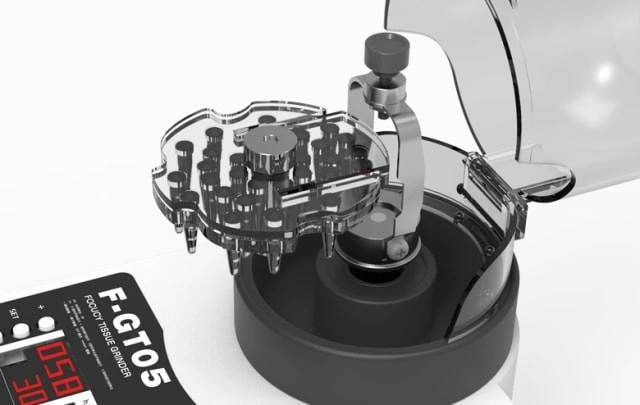
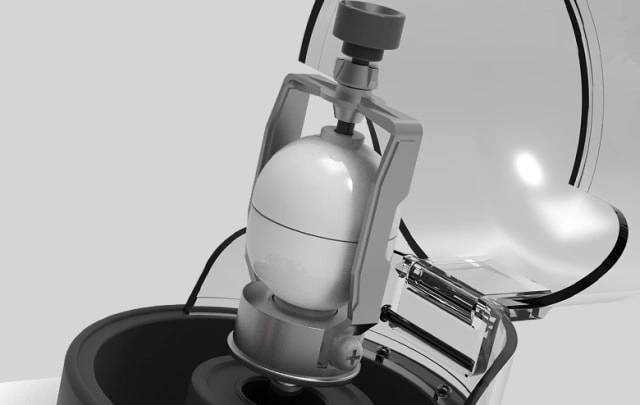
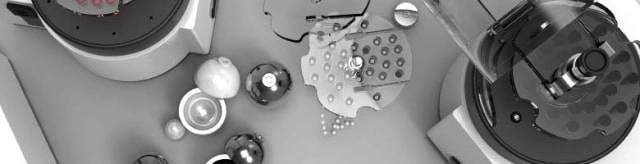
Detail & Parts
Advantages
The Micro Tissue Grinder offers a range of advantages that make it an essential tool in various industries, including pharmaceuticals, food processing, agriculture, and chemicals. Here are some of the key benefits:
- Versatile Sample Preparation: The Micro Tissue Grinder is capable of handling a wide variety of samples, from hard and brittle to soft and pasty materials. This versatility ensures that it can meet the diverse needs of different industries, providing a comprehensive solution for sample preparation.
- Efficient and High-Quality Grinding: With the ability to achieve fine particle sizes and tight distributions, the Micro Tissue Grinder outperforms other milling methods. It ensures high-quality grinding results, which is crucial for maintaining product quality and consistency in research and analysis.
- Minimal Risk of Contamination: Unlike traditional mills, the Micro Tissue Grinder does not use knives, blades, or other parts that can wear and contaminate samples. Its simple chamber design is easy to clean, significantly reducing the risk of cross-contamination.
- Preservation of Material Integrity: The grinder operates without causing temperature changes, making it ideal for heat-sensitive materials such as those used in cosmetics. This feature ensures that the original properties of the materials are preserved during the grinding process.
- Customizable and User-Friendly: The Micro Tissue Grinder comes with interchangeable liners and an automatic control system, allowing for personalized design solutions. It is easy to disassemble and clean, with a small footprint that optimizes space utilization in the lab.
- Cost-Effective and Time-Saving: By offering a fast and efficient grinding process, the Micro Tissue Grinder significantly reduces the time and cost associated with sample preparation. This efficiency leads to increased productivity and substantial savings in labor and resources.
- Reproducibility and Consistency: The controlled grinding process ensures reproducible and consistent results, minimizing variations and ensuring reliable outcomes. This consistency is vital for quality control, research, and production processes across various industries.
- Safety Features: Equipped with safety interlock systems and ergonomic designs, the Micro Tissue Grinder prioritizes operator protection, minimizing the risk of accidents or injuries during operation.
These advantages make the Micro Tissue Grinder a valuable asset for any laboratory or industrial setting requiring precise, efficient, and contamination-free sample preparation.
Technical specifications
| Maximum injection size | < 6 mm |
| Sample particle size range | 0.1-20 um |
| Grinding method | Dry grinding | wet grinding | low temperature grinding |
| Operating principle | 8-track high-frequency three-dimensional movement |
| Range of motion | 12mm |
| Movement frequency | 3000 times/min |
| Grinding carrier type | Ball mill jar | cell disruption adapter |
| Ball mill material | Tungsten carbide | zirconia | stainless steel | polytetrafluoroethylene, etc. optional |
| Number of ball mill jars | 1 |
| Ball mill jar volume | 15 ml |
| Grinding Ball Material | Zirconia | Stainless Steel | Tungsten Carbide Optional |
| Grinding ball size | 0.1-15mm |
| Configurable centrifuge tube volume | 0.2ml | 0.5ml | 2ml | 5ml |
| Cell breaking adapter | 0.2mlX25 | 0.5mlX12 | 2mlX5 | 5mlX4 |
| Electrical description | 200-240V AC, 50-60Hz, 30W |
| Power port | National Standard | European Standard | American Standard | British Standard, etc. |
| Net weight | 8kg |
| Dimensions (width, depth and height) | 50*210*220 mm |
| Protection class | IP65 |
| Standard | CE |
| Additional items | Transparent PC protective cover, liquid nitrogen dry ice cooling |
Warnings
Operator safety is the top important issue! Please operate the equipment with cautions. Working with inflammable& explosive or toxic gases is very dangerous, operators must take all necessary precautions before starting the equipment. Working with positive pressure inside the reactors or chambers is dangerous, operator must fellow the safety procedures strictly. Extra caution must also be taken when operating with air-reactive materials, especially under vacuum. A leak can draw air into the apparatus and cause a violent reaction to occur.
Designed for You
KinTek provide deep custom made service and equipment to worldwide customers, our specialized teamwork and rich experienced engineers are capable to undertake the custom tailoring hardware and software equipment requirements, and help our customer to build up the exclusive and personalized equipment and solution!
Would you please drop your ideas to us, our engineers are ready for you now!
Trusted by Industry Leaders

FAQ
What Is A Laboratory Ball Mill?
What Is A Laboratory Crusher Used For?
How Does The Micro Tissue Grinder Maintain Sample Integrity?
What Are The Key Features Of The Micro Tissue Grinder?
What Are The Applications Of A Laboratory Ball Mill?
How Does A Laboratory Crusher Work?
What Are The Main Types Of Laboratory Ball Mills?
What Are The Main Features Of A Laboratory Jaw Crusher?
What Is The Working Principle Of A Laboratory Ball Mill?
What Is The Working Principle Of A Laboratory Jaw Crusher?
What Are The Advantages Of Using A Laboratory Ball Mill?
What Are The Advantages Of Using A Laboratory Crusher?
What Materials Can Be Processed Using A Laboratory Ball Mill?
What Are The Key Features Of A High-energy Planetary Ball Mill?
What Is The Difference Between A Planetary Ball Mill And A Vibratory Ball Mill?
REQUEST A QUOTE
Our professional team will reply to you within one business day. Please feel free to contact us!
Related Products
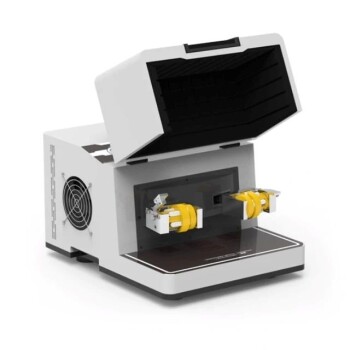
Laboratory Hybrid Tissue Grinding Mill
KT-MT20 is a versatile laboratory device used for rapid grinding or mixing of small samples, whether dry, wet, or frozen. It comes with two 50ml ball mill jars and various cell wall breaking adapters for biological applications such as DNA/RNA and protein extraction.
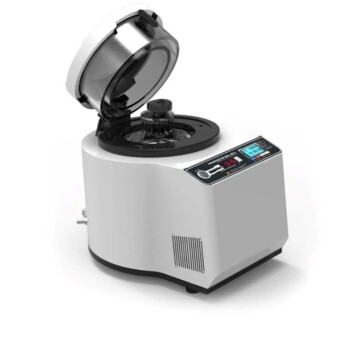
Laboratory High Throughput Tissue Grinding Mill Grinder
KT-MT is a high-quality, small, and versatile tissue grinder used for crushing, grinding, mixing, and cell wall breaking in various fields, including food, medical, and environmental protection. It is equipped with 24 or 48 2ml adapters and ball grinding tanks and is widely employed for DNA, RNA, and protein extraction.
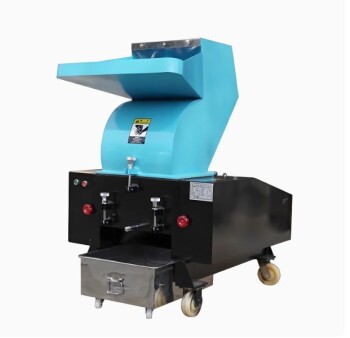
Powerful Plastic Crusher Machine
KINTEK's powerful plastic crusher machines process 60-1350 KG/H of diverse plastics, ideal for labs and recycling. Durable, efficient, and customizable.

Vibrating Disc Mill Small Laboratory Grinding Machine
Discover the versatile Vibrating Disc Mill for efficient laboratory grinding. Ideal for geology, metallurgy, biology, and more. Explore now!
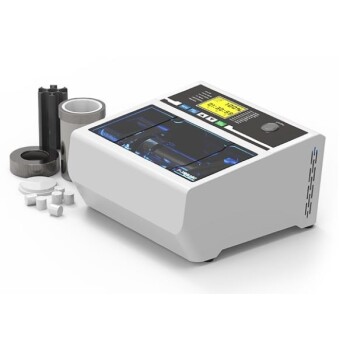
Laboratory Micro Horizontal Jar Mill for Precision Sample Preparation in Research and Analysis
Discover the Micro Horizontal Jar Mill for precise sample preparation in research and analysis. Ideal for XRD, geology, chemistry, and more.
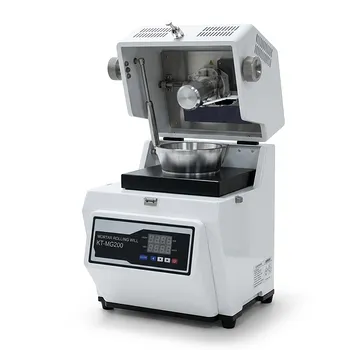
Laboratory Grinding Mill Mortar Grinder for Sample Preparation
KT-MG200 mortar grinder can be used for mixing and homogenizing powder, suspension, paste and even viscous samples. It can help users realize the ideal operation of sample preparation with more regularization and higher repeatability.

Laboratory Jar Mill with Agate Grinding Jar and Balls
Grind your materials with ease using Agate Grinding Jars with Balls. Sizes from 50ml to 3000ml, perfect for planetary and vibration mills.

Mini Planetary Ball Mill Machine for Laboratory Milling
Discover the KT-P400 desktop planetary ball mill, ideal for grinding and mixing small samples in the lab. Enjoy stable performance, long service life, and practicality. Functions include timing and overload protection.

Laboratory Ball Mill Jar Mill with Metal Alloy Grinding Jar and Balls
Grind and mill with ease using metal alloy grinding jars with balls. Choose from 304/316L stainless steel or tungsten carbide and optional liner materials. Compatible with various mills and features optional functions.
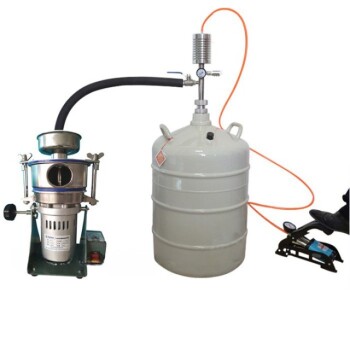
Small Cryogenic Grinder Cryomill Cryogrinder with Liquid Nitrogen for Laboratory Use
Our KINTEK Cryomilling is perfect for small runs and R&D trials. With a versatile cryogenic system, it can handle a variety of materials, including plastics, rubber, pharmaceuticals, and food grades. Plus, our specialized hydraulic laboratory crushers ensure accurate results through multiple passes, making it suitable for XRF analysis. Get finely-powdered samples with ease!
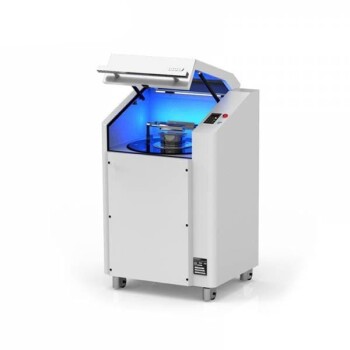
Lab Vibration Mill
Vibration Mill for Efficient Sample Preparation, Suitable for Crushing and Grinding a Variety of Materials with Analytical Precision. Supports Dry / Wet / Cryogenic Grinding and Vacuum/Inert Gas Protection.
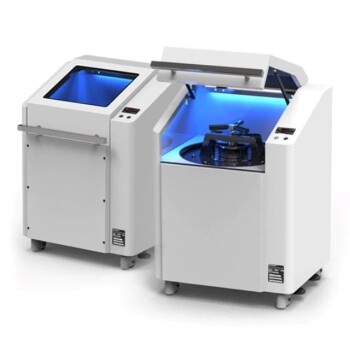
Laboratory Disc Cup Vibratory Mill for Sample Grinding
The vibrating disc mill is suitable for non-destructive crushing and fine grinding of samples with large particle sizes, and can quickly prepare samples with analytical fineness and purity.

High Energy Vibratory Laboratory Ball Mill Grinding Mill Single Tank Type
High-energy vibration ball mill is a small desktop laboratory grinding instrument.It can be ball-milled or mixed with different particle sizes and materials by dry and wet methods.

High Energy Planetary Ball Mill Milling Machine for Laboratory
Experience fast and effective sample processing with the F-P2000 high-energy planetary ball mill. This versatile equipment offers precise control and excellent grinding capabilities. Perfect for laboratories, it features multiple grinding bowls for simultaneous testing and high output. Achieve optimal results with its ergonomic design, compact structure, and advanced features. Ideal for a wide range of materials, it ensures consistent particle size reduction and low maintenance.

High Energy Planetary Ball Mill Milling Machine for Laboratory
The biggest feature is that the high energy planetary ball mill can not only perform fast and effective grinding, but also has good crushing ability

Laboratory Single Horizontal Jar Mill
KT-JM3000 is a mixing and grinding instrument for placing a ball milling tank with a volume of 3000ml or less. It adopts frequency conversion control to realize timing, constant speed, direction change, overload protection and other functions.
Laboratory Jaw Crusher
Discover the small jaw crusher for efficient, flexible, and affordable crushing in labs and small mines. Ideal for coal, ores, and rocks. Learn more now!

Laboratory Four-Body Horizontal Jar Mill
The four-body horizontal tank mill ball mill can be used with four horizontal ball mill tanks with a volume of 3000ml. It is mostly used for mixing and grinding laboratory samples.

High-Energy Omnidirectional Planetary Ball Mill Milling Machine for Laboratory
The KT-P4000E is a new product derived from the vertical high-energy planetary ball mill with a 360° swivel function. Experience faster, uniform, and smaller sample output results with 4 ≤1000ml ball mill jars.

Laboratory Horizontal Planetary Ball Mill Milling Machine
Improve sample uniformity with our Horizontal Planetary Ball Mills. KT-P400H reduces sample deposition and KT-P400E has multi-directional capabilities. Safe, convenient and efficient with overload protection.
Related Articles

Key Features of the Micro Tissue Grinder: Usage, Advantages, and Applications
Discover the key features of the Micro Tissue Grinder, including usage instructions, advantages, and application fields. Learn the principles and structure of the Micro Tissue Grinder, and explore its benefits in sample preparation and industrial settings.
Features of Different Laboratory Mills: An Overview
Laboratory mills are specialized machines used to reduce non-homogenous batch samples into smaller, representative samples that are more uniform in composition.
The Advantages of Ball Milling in Laboratory Applications: high capacity and reliability
Discover the numerous advantages of ball milling in laboratory applications. Explore the working principles, applications, and advantages of ball mills, along with the impact of ball mill speed on size reduction. Learn how ball milling compares to traditional milling machines.
Choosing the Best Material for Ball Mill: Essential Factors and Recommendations
Discover the best material for ball mill applications and grinding success. Learn about the features and benefits of stainless steel, ceramic, agate, and tungsten carbide media. Find out how to ensure grinding success and the ideal grinding jars and media for planetary ball milling. Explore the applications of ball mills and the advantages of high-energy ball mills for ultra-fine particles.
Understanding the Advantages and Disadvantages of Ball Mills in Laboratory and Industrial Applications
Discover the pros and cons of using ball mills for grinding materials. Explore the potential applications of ball mills for various industries.
Working Principle of Vertical Ball Mill : Impact, Attrition, and Size Reduction
Discover the working principle of vertical ball mills through impact and attrition mechanisms. Learn how materials like iron ore and ceramics are ground to a fine medium. Explore the construction, operations, advantages of vertical mills in this detailed guide.
Application of Ultra-Micro Pulverization Technology in the Food Industry
Explores the benefits and applications of ultra-micro pulverization technology in enhancing food processing and nutrient absorption.
Understanding and Selecting the Right Microplates for Laboratory Applications
Guide to choosing microplates based on pore density, materials, colors, well shapes, and surface finishes for various laboratory applications.