You've spent weeks, maybe even months, trying to perfect your material processing. You've meticulously prepared your batch, loaded it into the rotary kiln, and set the temperature with precision. Yet, when you examine the output, it's a disaster. Some of the material is burnt to a crisp, while other parts are barely touched. Or worse, the entire batch is contaminated, rendering it useless.
You look at the controller. The temperature was stable. The rotation speed was correct. What went wrong? This isn't just a minor setback; it's a costly and deeply frustrating mystery.
The Cycle of Guesswork: Adjusting Dials Without a Map
If this scenario sounds familiar, you're not alone. Many labs and production facilities find themselves trapped in a cycle of trial and error with their thermal processing. Faced with inconsistent results, the typical response is to start tweaking the most obvious parameters:
- "Let's turn the temperature down by 10 degrees." The result? Under-processed material.
- "Okay, let's increase the rotation speed to mix it better." The result? The material passes through too quickly and remains untreated.
- "Maybe a slower feed rate will help." The result? The batch is smaller, but it's still burnt.
Each adjustment is a shot in the dark, and the "solution" for one batch often fails on the next. This isn't just an academic problem; it has severe business consequences. It leads to wasted batches of expensive raw materials, blown project timelines, and an inability to scale from R&D to production. Most critically, it creates an unreliable process that erodes confidence in your product's quality.
It's Not the Heat, It's the Flow: The Hidden Mismatch in Your Process
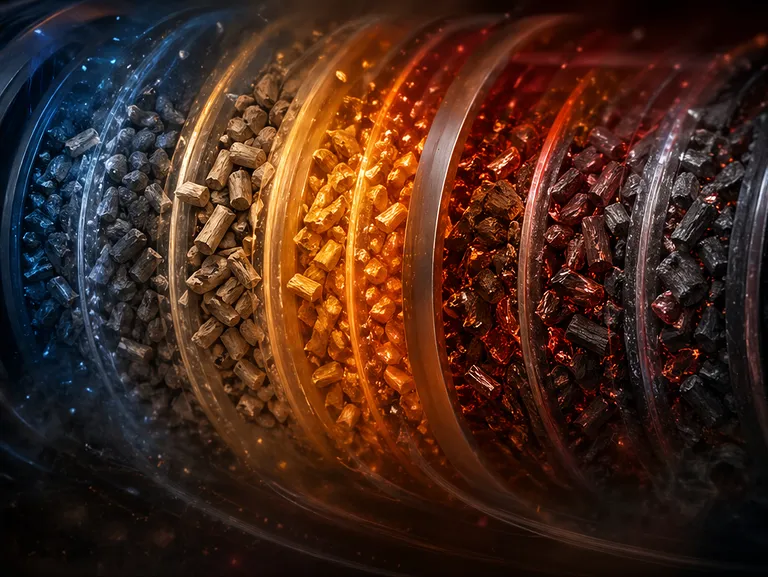
Here is the fundamental truth that resolves the mystery: Your problem is likely not the temperature setting, but a fundamental mismatch between your material and your kiln’s core design.
A rotary kiln is not just a simple rotating oven. It's a sophisticated system where the interaction between heat and material is governed by two critical design choices that are often locked in when the kiln is built. Adjusting the temperature is like turning up the volume on a radio that’s tuned to the wrong station—you’re just amplifying a flawed process.
The two most critical factors are:
1. How the Heat is Applied: Direct vs. Indirect Firing
- Direct-Fired: A flame and hot combustion gases flow directly through the kiln, making contact with your material. This is powerful and efficient for robust materials like cement, but it's a guaranteed source of contamination for sensitive chemicals, foods, or pharmaceuticals.
- Indirect-Fired: The rotating shell is heated from the outside, and the heat transfers through the wall to the material inside. This isolates your material from combustion gases, ensuring purity.
If you are trying to process a contamination-sensitive material in a direct-fired kiln, no amount of temperature tweaking will ever give you a pure product.
2. How the Heat and Material Move: Counter-Current vs. Co-Current Flow
- Counter-Current: The material moves downhill while the hot gas flows uphill, from the discharge end to the feed end. This is the most energy-efficient method because it ensures the hottest gases meet the most processed material, maximizing heat transfer along the entire length of the kiln.
- Co-Current: The material and hot gas flow in the same direction, from the feed end to the discharge end. This method exposes the raw, often wet, material to the highest temperature first, providing a rapid but less efficient heating profile.
If you are trying to gently dry a heat-sensitive organic material, the intense thermal shock at the entrance of a counter-current kiln could destroy it instantly. Conversely, using a less-efficient co-current setup for high-temperature calcination will result in sky-high energy bills.
The common solutions fail because they are treating the symptoms (bad results) instead of the root cause: a kiln design that is fundamentally wrong for the job.
Matching the Kiln to the Mission: How Purpose-Built Design Ends the Guesswork
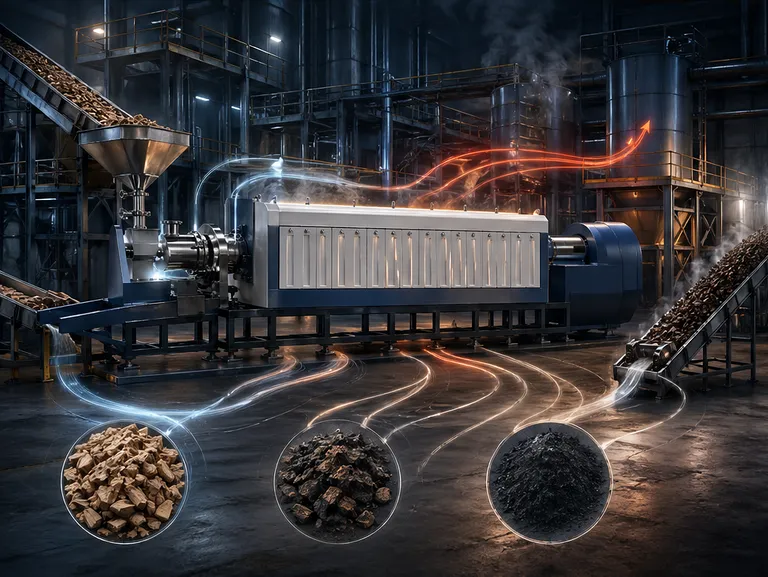
To achieve predictable, repeatable results, you need to stop guessing and start with the right tool. The solution is to select a rotary kiln that is specifically engineered for your process goal from the very beginning.
This is the core philosophy behind KINTEK's approach to laboratory equipment. We know that success in material processing isn't about having the hottest furnace; it's about having the smartest process. Our rotary kilns are designed not as one-size-fits-all devices, but as precise instruments built to solve specific challenges.
- For high-purity applications sensitive to contamination, our Indirect-Fired Kilns provide a completely isolated environment, guaranteeing the integrity of your material.
- For drying delicate or thermally sensitive materials, our Co-Current Kilns are designed to provide gentle, controlled heating that prevents product degradation.
- For maximum energy efficiency in calcination and other high-temperature reactions, our Counter-Current, Direct-Fired Kilns are engineered to optimize heat transfer and dramatically reduce operational costs.
By matching the kiln's fundamental design to your material's needs, we eliminate the guesswork. The process becomes predictable, reliable, and scalable.
From Problem-Solving to Process Mastery: What's Next for Your Lab?
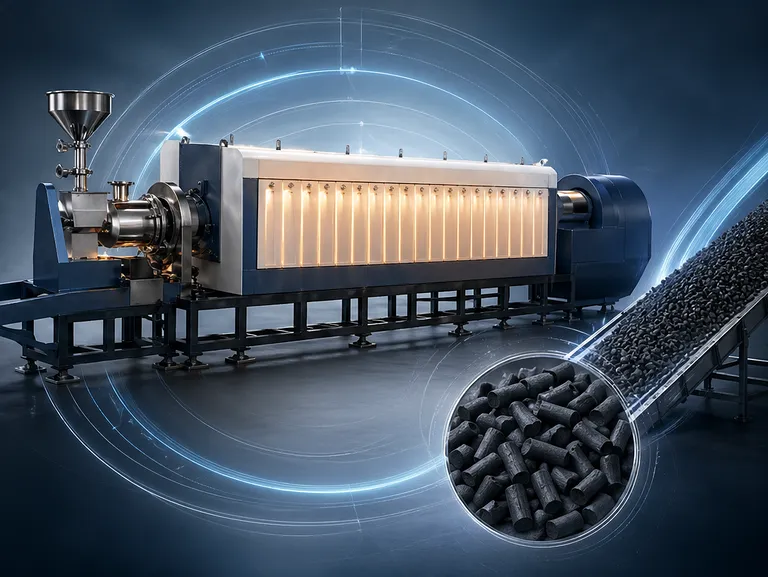
When your rotary kiln is no longer a source of frustration but a reliable instrument, it transforms what your team can achieve. You move from simply trying to make a process work to truly mastering and optimizing it.
With a kiln correctly matched to your mission, you can now:
- Confidently scale up successful lab-scale experiments to pilot production, knowing the underlying principles are sound.
- Explore more advanced materials that were previously considered too sensitive or difficult to process.
- Drastically reduce waste by ensuring every batch meets quality specifications on the first run.
- Accelerate your research and product development cycles, gaining a critical edge over the competition.
Your challenge isn't just about calcination or drying; it's about getting a reliable, high-quality product to market faster and more efficiently. Our experts understand both the underlying science of thermal processing and the business pressures you face. We can help you move beyond fixing problems to building processes that drive innovation. Let's discuss your unique project and find the right tool for your mission. Contact Our Experts.
Related Products
- Electric Rotary Kiln Small Rotary Furnace Biomass Pyrolysis Plant
- Electric Rotary Kiln Continuous Working Small Rotary Furnace Heating Pyrolysis Plant
- Electric Rotary Kiln Small Rotary Furnace for Activated Carbon Regeneration
- Electric Rotary Kiln Pyrolysis Furnace Plant Machine Calciner Small Rotary Kiln Rotating Furnace
- Vacuum Sealed Continuous Working Rotary Tube Furnace Rotating Tube Furnace
Related Articles
- Your Rotary Kiln is Wasting Energy and Money. The Reason is Hiding in Plain Sight.
- Your Lab Process Fails to Scale? The Rotary Kiln Sizing Mistake You're Probably Making
- Your Rotary Kiln is Failing You. The Reason is Simpler Than You Think.
- Your Rotary Kiln Isn't an Oven: The Secret to Consistent Thermal Processing
- Why Your Rotary Kiln Fuel Choice Is Sabotaging Your Results—And How to Fix It