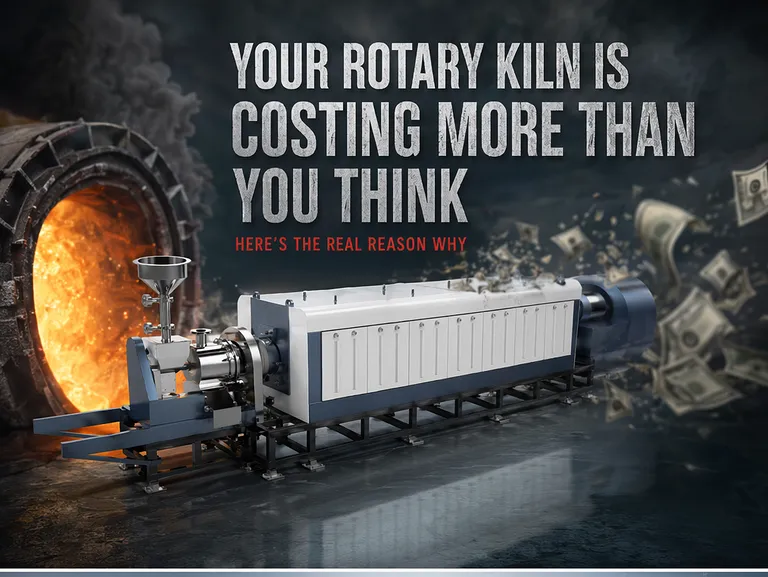
Have you ever looked at your lab’s energy bill and felt a jolt of surprise? Often, a single piece of equipment is the main culprit, consuming a disproportionate share of the budget: the rotary kiln. You see the high running costs, but the path to reducing them seems foggy and filled with frustrating dead ends.
The Endless Cycle of Adjustments and Frustration
For many lab managers and process engineers, dealing with an inefficient kiln feels like a constant battle. The symptoms are painfully familiar:
- Sky-high energy bills that eat into your operational budget.
- Inconsistent product quality, with some batches perfect and others unusable, suggesting unstable heating.
- Constant tinkering with rotation speed, inclination, and temperature settings, hoping to find a "sweet spot" that never seems to last.
In response, teams often find themselves trapped in a cycle of temporary fixes. They might try adding extra insulation to the kiln's exterior or patching up worn-out seals. While these efforts are well-intentioned, they rarely make a significant dent in the energy consumption.
The business consequences are significant. High operational expenditure (OpEx) is the most obvious, but the hidden costs are often greater. Wasted materials from failed batches, project delays waiting for consistent results, and the immense time spent troubleshooting all add up, hindering innovation and inflating the total cost of ownership.
The Fundamental Flaw: Are You Heating Your Material, or the Air Around It?
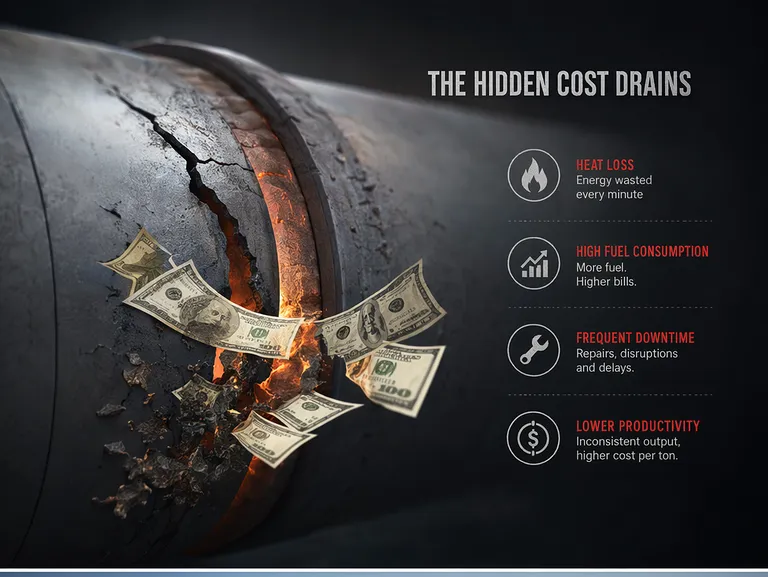
Here is the turning point. What if the problem isn’t your adjustments, but the kiln’s fundamental design? The single biggest factor determining a kiln’s efficiency is how it generates and transfers heat.
The "Open Fireplace" Problem: Fuel-Fired Kilns
Traditional fuel-fired kilns work much like an open fireplace. They burn fuel (like natural gas) to create hot gas, which is then blown through the kiln tube to heat the material. While this method is simple, it's inherently wasteful. A massive amount of that expensive, heated gas doesn't transfer its energy to your material; instead, it flows straight out the exhaust stack, taking your money and energy with it.
Trying to improve the efficiency of a fuel-fired kiln with minor tweaks is like trying to heat your house in winter while leaving the front door wide open. You’re fighting a losing battle against a core design inefficiency.
The "Sealed System" Solution: Modern Electric Kilns
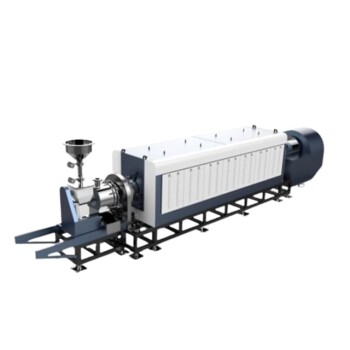
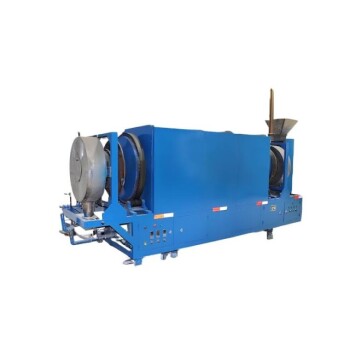
In stark contrast, a modern electric rotary kiln operates like a high-end convection oven. It’s a completely sealed system. There is no combustion and, therefore, no exhaust stack to lose heat through. Electrical heating elements, often placed 360° around the process tube, transfer energy directly and uniformly to the material.
The result? Over 95% of the electrical energy you pay for is converted directly into useful process heat. The energy goes exactly where you need it—into your product.
The Right Tool, Designed for the Core Problem
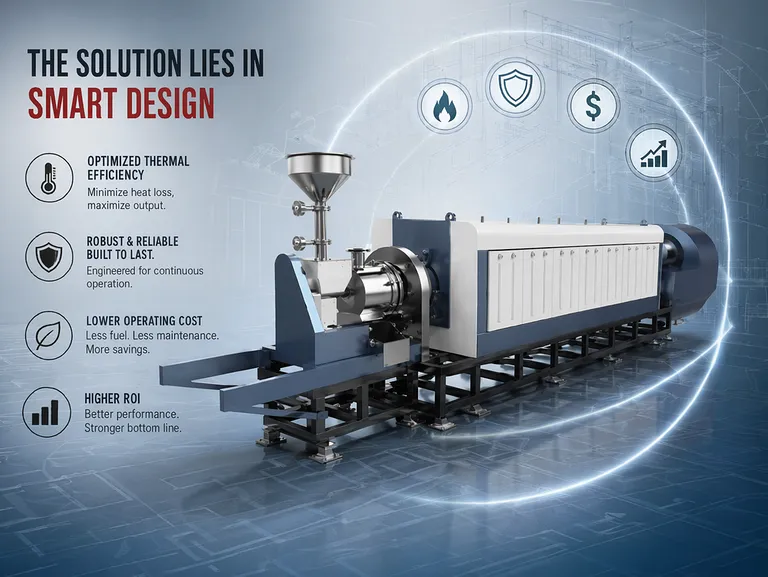
To permanently solve the efficiency problem, you don't need another tweak. You need a tool that was engineered from the ground up to eliminate the fundamental cause of energy waste.
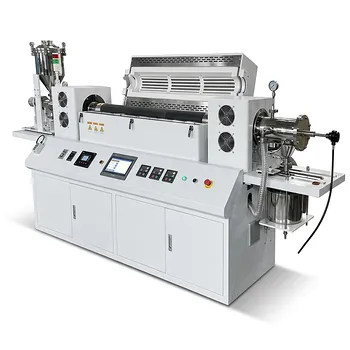
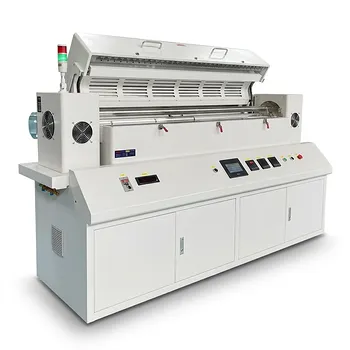
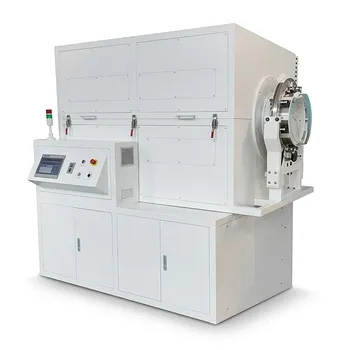
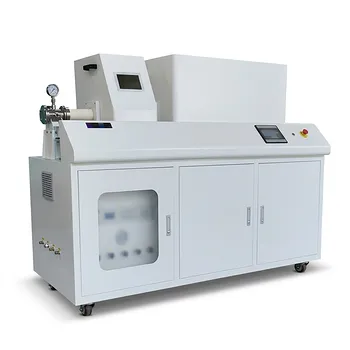
This is precisely the philosophy behind KINTEK's advanced laboratory rotary kilns. They aren't just an alternative; they are the direct solution to the "open fireplace" problem that plagues so many labs.
- Ultra-Efficient Electric Heating: Our kilns are built on a closed-system electric design, eliminating flue gas losses and ensuring that over 95% of energy is directed into your process, drastically cutting operational costs.
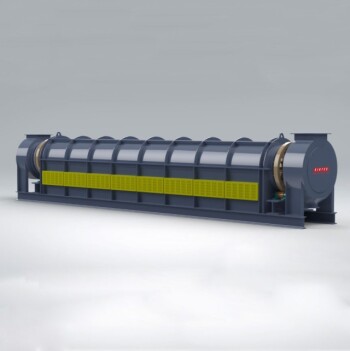
- Multi-Zone Heating Control: Why heat the entire kiln to one temperature when your process has different stages? Our kilns feature independent heating zones. This allows you to create a precise thermal profile along the length of the tube—drying, calcining, and reacting at perfect, distinct temperatures—applying energy only where it's needed.
- High-Integrity Seals and Insulation: While seals and insulation are mere band-aids on a fuel-fired system, they are powerful optimizers in our sealed electric system. They lock in the heat, prevent atmospheric contamination, and ensure the thermal stability required for the most sensitive processes.
From Cost-Cutting to Innovation: What True Efficiency Unlocks
When you are no longer fighting a losing battle against energy waste, you are free to focus on what truly matters: innovation and results.
Solving the efficiency problem with the right equipment releases incredible new potential. You can now:
- Run longer, more complex experiments without the constant worry of exorbitant energy costs.
- Achieve unprecedented temperature stability, leading to higher batch-to-batch consistency and superior material quality.
- Accelerate R&D cycles by eliminating guesswork and achieving reliable, repeatable results the first time.
- Explore new material possibilities that require the kind of precise, stable thermal processing that inefficient kilns simply cannot deliver.
Ultimately, moving to a purpose-built, efficient kiln is about more than just saving money on your utility bill. It's about transforming a costly, unreliable process into a precise, powerful tool for discovery.
Your work is too important to be held back by inefficient equipment. By addressing the root cause of energy waste, you can reduce your total cost of ownership and, more importantly, empower your team to achieve its next breakthrough. Let's discuss how the right technology can be tailored to your specific process challenges. Contact Our Experts.
Related Products
- Electric Rotary Kiln Small Rotary Furnace Biomass Pyrolysis Plant
- Electric Rotary Kiln Continuous Working Small Rotary Furnace Heating Pyrolysis Plant
- Electric Rotary Kiln Small Rotary Furnace for Activated Carbon Regeneration
- Electric Rotary Kiln Pyrolysis Furnace Plant Machine Calciner Small Rotary Kiln Rotating Furnace
- Vacuum Sealed Continuous Working Rotary Tube Furnace Rotating Tube Furnace
Related Articles
- Why Your Rotary Kiln Fuel Choice Is Sabotaging Your Results—And How to Fix It
- Your Rotary Kiln Isn't an Oven: The Secret to Consistent Thermal Processing
- Your Lab Process Fails to Scale? The Rotary Kiln Sizing Mistake You're Probably Making
- Hotter Isn't Better: The Hidden Costs of Your Rotary Kiln's Temperature Setting
- Your Rotary Kiln is Wasting Energy and Money. The Reason is Hiding in Plain Sight.