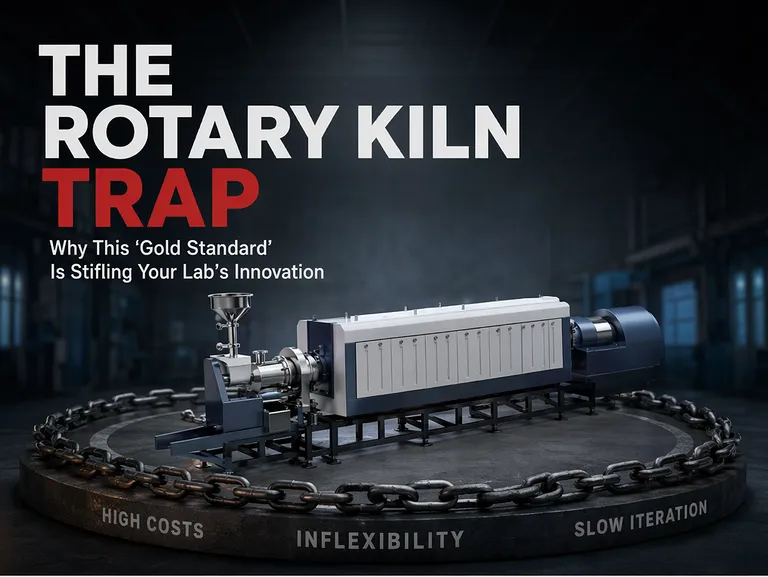
You’ve perfected a new material on the lab bench. The chemistry is elegant, the properties are promising, and the market potential is huge. Now comes the next step: producing a larger batch for pilot testing. You look at the industrial "gold standard"—the rotary kiln—and a sense of dread sets in. The sheer scale, the million-dollar price tag, the factory-sized footprint... it feels less like a next step and more like an insurmountable wall.
You’re not alone. This is the moment where countless promising R&D projects stall.
The Vicious Cycle of "Making It Work"
For labs and specialized manufacturers, the rotary kiln presents a frustrating paradox. It's the tool everyone points to for high-temperature processing, yet it’s fundamentally mismatched for the world of innovation and agility.
Faced with this, many teams fall into a predictable, costly struggle:
- The "Makeshift Solution": They try to build a smaller, custom rotary kiln. This often results in a machine that inherits all the problems of its larger cousin—poor thermal efficiency, dust issues, constant mechanical tinkering—without ever achieving reliable, repeatable results.
- The "Toll Processing Gamble": They outsource production to a facility with a massive kiln. Suddenly, they lose control. They can't tweak temperatures on the fly, test a new precursor, or run a small, urgent batch. Their agile R&D process is now hostage to a rigid, industrial schedule, delaying projects for weeks or months.
The business consequences are severe and predictable. Project timelines stretch into oblivion. Budgets are consumed by exorbitant energy bills and unexpected maintenance. Most critically, the inability to rapidly iterate and optimize the process means product quality remains inconsistent, putting the entire venture at risk. You're stuck spending more time fighting your equipment than advancing your science.
The Real Culprit: A Fundamental Mismatch in Design
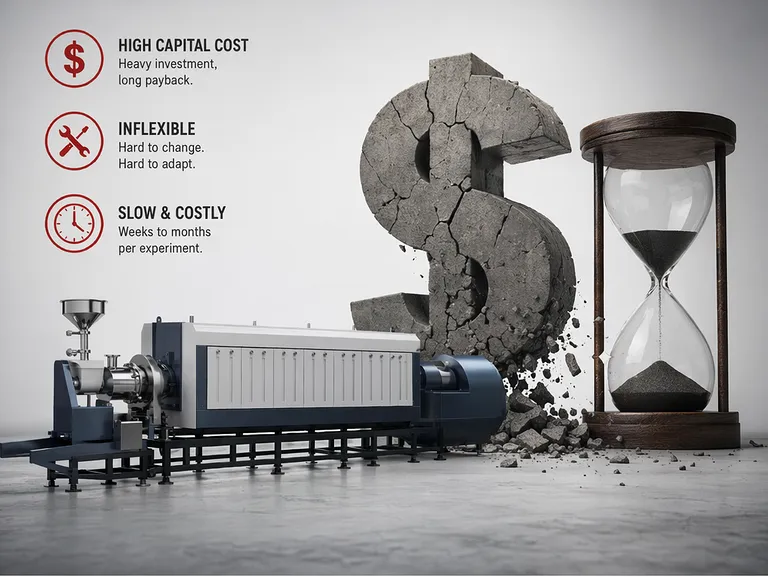
Why do these struggles feel so universal? Because the problem isn't your process or your team. The problem is that the rotary kiln was designed to solve a completely different set of problems.
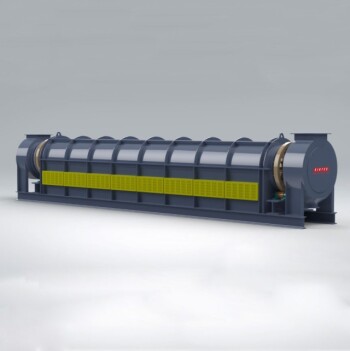
Think of a rotary kiln as a freight train. It is magnificently efficient at hauling thousands of tons of the exact same cargo across the country on a single, unchanging track. It is built for one thing: massive, continuous, stable throughput.
Its entire engineering philosophy reflects this:
- Immense Thermal Inertia: Its huge, heavy rotating drum takes ages to heat up and cool down. This provides stability for a single, long-running process but makes it hopelessly inflexible for testing different temperature profiles or materials.
- Brute-Force Mechanics: The tumbling action is a blunt instrument for mixing. While effective for bulk ores, it creates enormous amounts of dust with finer powders and offers no precision.
- Built-in Inefficiency: By design, the massive surface area radiates huge amounts of heat. The seals at either end are notoriously difficult to maintain, allowing cold air in and hot gas out, driving up fuel consumption.
Trying to use a rotary kiln for agile R&D or small-batch production is like using a freight train to make neighborhood pizza deliveries. It's the wrong tool for the job. The common "solutions" fail because they don't address this fundamental design mismatch.
Choosing the Right Tool, Not Just a Smaller One
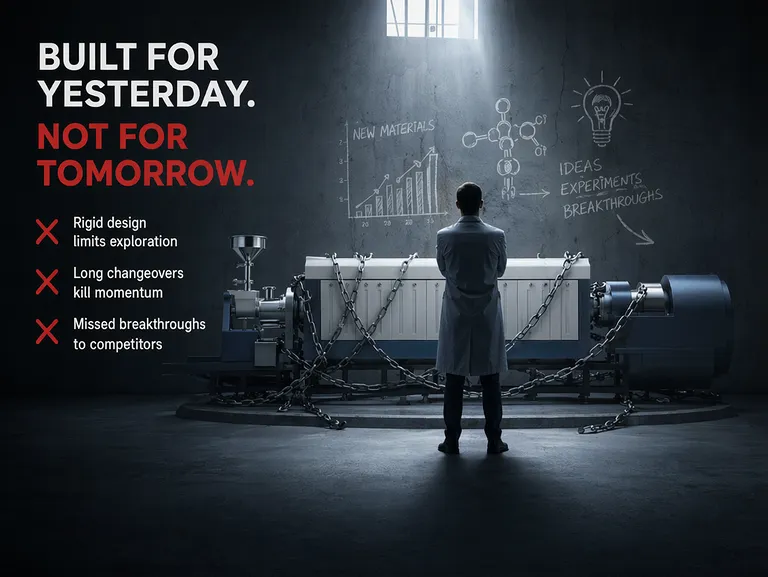
To escape this trap, you don't need a smaller freight train; you need a fleet of nimble delivery vans. You need a tool designed from the ground up for precision, flexibility, and efficiency at a laboratory or pilot scale.
This is where a different class of thermal processing equipment becomes essential. To truly solve the root cause, you need a tool that provides:
- Precise, responsive temperature control.
- The ability to handle varied materials and batch sizes.
- A contained, clean environment that minimizes product loss and emissions.
- A compact footprint and sensible operational cost.
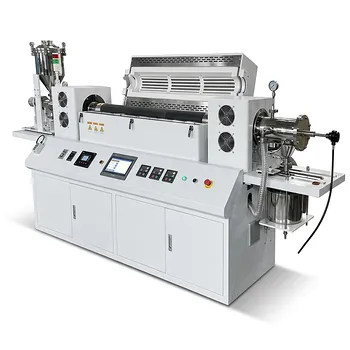
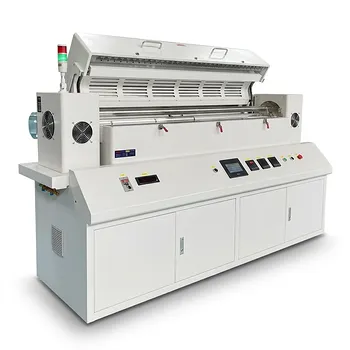
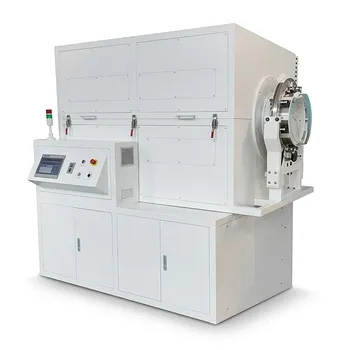
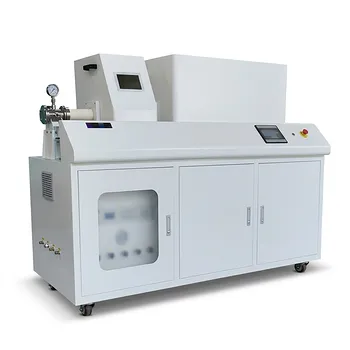
At KINTEK, we specialize in providing these alternatives. Our range of laboratory muffle furnaces, tube furnaces, and specialized batch reactors are the embodiment of this different design philosophy. They are engineered not for brute-force scale, but for scientific discovery and process optimization.
Instead of a massive, inefficient drum, you get a well-insulated, precisely controlled chamber. Instead of a dusty, open-ended system, you get a sealed environment perfect for sensitive materials. They are designed to serve your process, not force your process to conform to their limitations.
Beyond Problem-Solving: What's Now Possible?
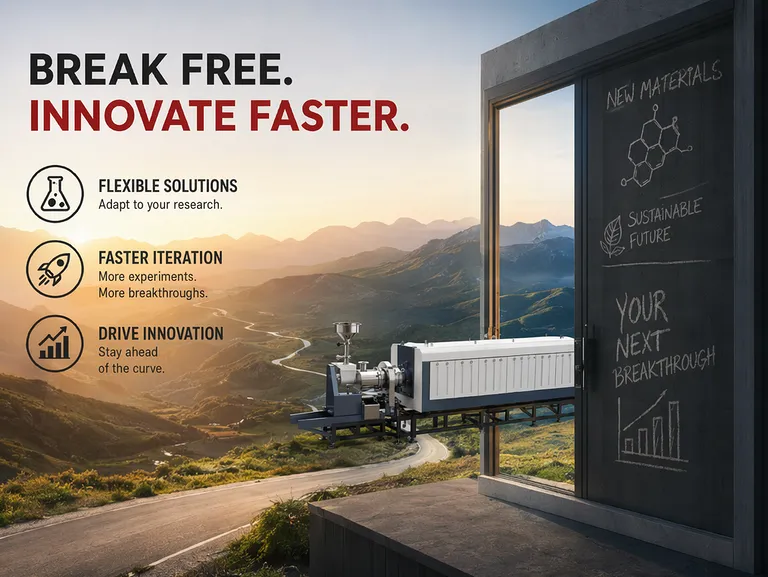
When you stop fighting your equipment and start using the right tool, the entire dynamic of your work changes. The "insurmountable wall" disappears, replaced by a clear pathway to innovation.
Consider what becomes possible:
- Accelerated Discovery: You can test a dozen different formulations or temperature profiles in a single week, gathering the data you need to perfect your product in a fraction of the time.
- Process Scalability: You can develop and validate a robust, repeatable process on a smaller scale, confident that the core principles will translate to larger systems.
- Niche Material Production: You can economically produce small, high-value batches of specialized materials that would be impossible to justify in a giant, inefficient kiln.
- Resource Reallocation: You free up capital, lab space, and your team's valuable time to focus on the next big breakthrough, rather than on endless maintenance and troubleshooting.
Solving your thermal processing challenges isn't just about avoiding the costs and headaches of the wrong equipment. It's about unlocking your lab's true potential to innovate faster, develop better products, and get to market ahead of the competition.
Your process has unique requirements, and choosing the right equipment is the critical first step. Our team has helped countless labs move beyond the limitations of outdated approaches to find a more efficient, flexible, and cost-effective path forward. Let's discuss the specific challenges of your project and find the right tool for your breakthrough. Contact Our Experts.
Related Products
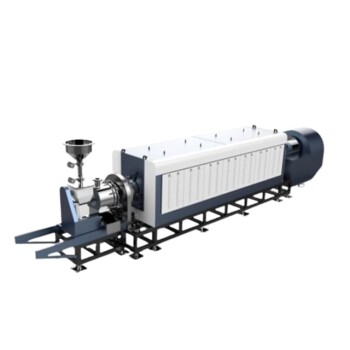
- Electric Rotary Kiln Small Rotary Furnace Biomass Pyrolysis Plant
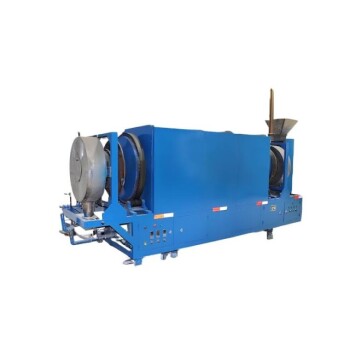
- Electric Rotary Kiln Continuous Working Small Rotary Furnace Heating Pyrolysis Plant
- Electric Rotary Kiln Small Rotary Furnace for Activated Carbon Regeneration
- Electric Rotary Kiln Pyrolysis Furnace Plant Machine Calciner Small Rotary Kiln Rotating Furnace
- Vacuum Sealed Continuous Working Rotary Tube Furnace Rotating Tube Furnace
Related Articles
- Why More Fuel Isn't Fixing Your Rotary Kiln—And What Will
- Why Your Rotary Kiln Results Are Inconsistent—And What's Really to Blame
- Why Your Rotary Kiln Keeps Failing (And It’s Not the Parts You're Replacing)
- Your Rotary Kiln Is Leaking Money. The Culprit Is Hiding in Plain Sight.
- Stop Blaming Your Process: How the Right Rotary Kiln Solves Material Contamination and Inconsistency