You’ve spent weeks, maybe months, perfecting a new material formulation in the lab. The bench-scale tests were flawless. Now, it’s time for the pilot run. You load the material into your rotary kiln, set the temperature you know is right, and wait.
But the result is a disaster. One batch comes out scorched and brittle. The next is under-processed, with none of the desired properties. Your team is back at square one, staring at a pile of wasted material and a delayed project timeline. What went wrong?
The Vicious Cycle of Tweaking and Failing
This scenario is frustratingly common in materials science and industrial processing. When a rotary kiln process fails, the immediate reaction is to start tweaking the most obvious variables:
- "Let's increase the temperature by another 50 degrees." The result? The material is now burnt on the outside and raw on the inside.
- "Maybe we need more residence time. Let's slow down the rotation." Now the throughput is too low to be commercially viable, and the output is still inconsistent.
- "Let's adjust the feed rate." This causes new problems with clumping and uneven heat distribution.
Each "fix" creates a new problem, trapping teams in an expensive cycle of trial and error. The business consequences are severe: spiraling R&D costs, delayed product launches, and the risk of losing market share to competitors who can scale successfully.
This constant troubleshooting happens because most teams are trying to fix the wrong problem.
The Breakthrough: Are You Baking a Cake or Toasting Bread?

The fundamental mistake is treating a rotary kiln like a simple oven—a hot, rotating tube where the only important variable is temperature. But the kiln's true purpose isn't just to heat a material; it's to transform it.
The real root cause of failure lies in a mismatch between the kiln’s setup and the specific type of transformation your material requires.
Think of it this way: you use an oven for many tasks, but you wouldn't use the same method for every food.
- Baking a cake requires moderate, even heat for a long time to trigger chemical reactions (leavening) throughout the batter. This is Calcination.
- Toasting bread uses high, direct heat for a short time to fuse and strengthen the surface. This is Sintering.
- Melting cheese on a casserole requires overhead heat to bond one layer to another. This is Heat Setting.
Trying to fix your process by just cranking up the temperature is like trying to bake a cake faster by putting it under the broiler. You are applying the wrong kind of process for the transformation you need. The "common solutions" from the previous section fail because they are isolated tweaks to a fundamentally mismatched system. Success doesn't come from finding the "magic temperature"; it comes from correctly identifying whether your material needs to be "baked," "toasted," or "melted on top."
It's Not About Heat, It's About Transformation
To achieve consistent, scalable results, you must first diagnose the core process your material needs:
- Calcination: Is your goal a deep chemical decomposition, like turning limestone into lime? You need controlled, uniform heat over a specific residence time.
- Sintering: Do you need to increase strength and density by fusing particles together, like with iron ore pellets? You need to bring the material just below its melting point without over-firing it.
- Heat Setting: Are you trying to bond a coating to a core material, like applying colored pigments to roofing granules? You need precise control to make the coating viscous and bond perfectly without damaging the core.
The Right Tool for the Right Diagnosis
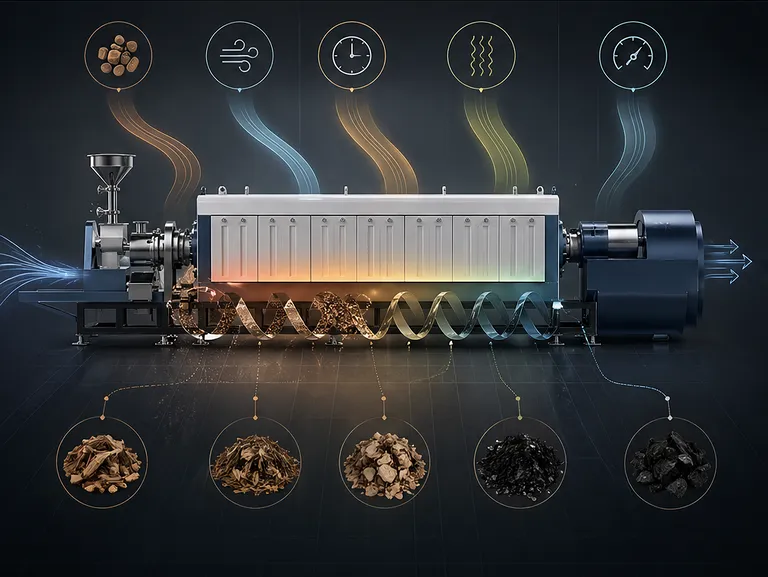
Once you stop asking "How hot should it be?" and start asking "What transformation do I need?", the path forward becomes clear. You need more than just a heater; you need a flexible, precise system that allows you to accurately diagnose and execute the correct thermal process.
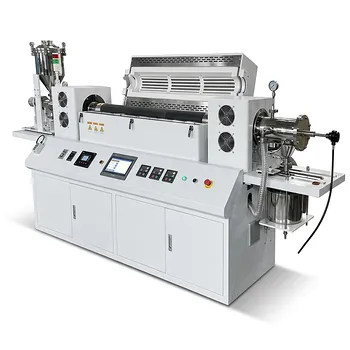
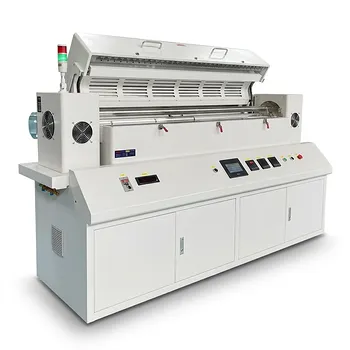
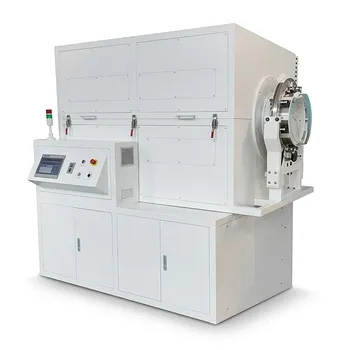
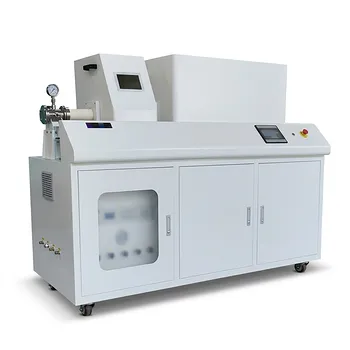
This is where KINTEK's laboratory equipment and consumables become essential. We don't just sell hardware; we provide the precision tools designed for process discovery. Our systems are engineered not as one-size-fits-all ovens, but as versatile platforms for mastering material transformation.
With KINTEK solutions, you can:
- Precisely control temperature profiles, not just a single set point, to perfectly match the needs of calcination or sintering.
- Systematically adjust residence time through fine control over rotation and inclination, allowing you to find the sweet spot for your material.
- Manage the internal atmosphere, which is critical for many chemical reactions and often overlooked.
Our equipment is designed based on a deep understanding of these principles, empowering you to move from guesswork to a repeatable, scientific method. You can finally determine the exact conditions your material needs to succeed.
Beyond Troubleshooting: Unlocking Your Next Material Innovation
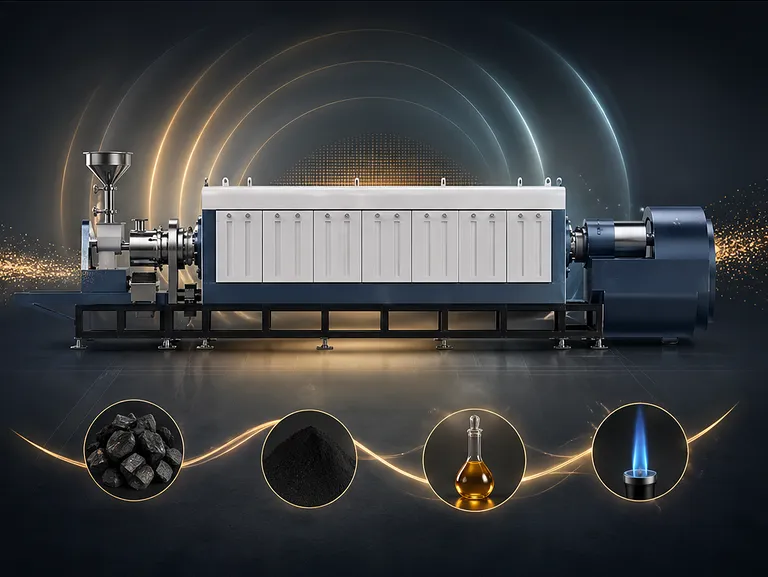
When you solve this fundamental process challenge, something remarkable happens. Your team's energy shifts away from putting out fires and toward genuine innovation.
Instead of asking, "Why did this batch fail?", you can start asking:
- "How can we scale this validated process to full production with confidence?"
- "Can we develop a new formulation with even higher performance, now that we can control the sintering process so precisely?"
- "How quickly can we bring this next-generation product to market, now that our development cycle is predictable?"
Mastering your thermal process isn't just about fixing a nagging problem. It's about unlocking the full potential of your R&D, accelerating your time-to-market, and creating materials that were previously out of reach.
Your material challenge is unique, and a one-size-fits-all approach is destined to fail. Our team's expertise goes beyond equipment; we help you diagnose the core process your material needs and equip you with the tools to master it. Let's move your project from frustrating guesswork to predictable success. Contact Our Experts to discuss how we can help you achieve your specific material transformation goals.
Related Products
- Electric Rotary Kiln Small Rotary Furnace Biomass Pyrolysis Plant
- Electric Rotary Kiln Continuous Working Small Rotary Furnace Heating Pyrolysis Plant
- Electric Rotary Kiln Small Rotary Furnace for Activated Carbon Regeneration
- Electric Rotary Kiln Pyrolysis Furnace Plant Machine Calciner Small Rotary Kiln Rotating Furnace
- Vacuum Sealed Continuous Working Rotary Tube Furnace Rotating Tube Furnace
Related Articles
- Your Rotary Kiln Process is Failing. The Problem Isn't Temperature—It's Purity.
- Why Your Rotary Kiln Keeps Failing (And It’s Not the Parts You're Replacing)
- Your Rotary Kiln Is Leaking Money. The Culprit Is Hiding in Plain Sight.
- Stop Blaming Your Process: How the Right Rotary Kiln Solves Material Contamination and Inconsistency
- Why Your Rotary Kiln Results Are Inconsistent: It’s Not Just the Heat, It’s the System