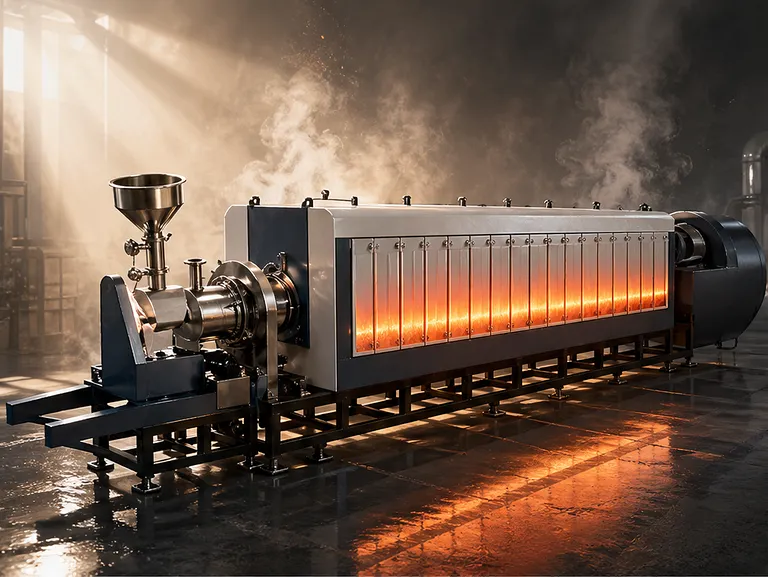
You’re staring at the data again. Last week, your rotary kiln’s destruction efficiency was perfect. This week, it has plummeted, and your energy bills are climbing. To make matters worse, a maintenance check reveals a hard, slag-like buildup inside the kiln that wasn't there before. You’ve spent days troubleshooting, adjusting feed rates and rotation speeds, but the problem keeps coming back in a different form. It feels like you're playing a frustrating game of whack-a-mole.
If this scenario sounds familiar, you are not alone.
‘Just Turn Up the Heat’ and Other Costly Mistakes
When faced with incomplete waste destruction or inconsistent material processing, the most common instinct is to increase the temperature. The logic seems simple: if some heat is good, more heat must be better. Operators often get trapped in a reactive cycle:
- See poor results: A test shows hazardous compounds surviving the process.
- Increase the heat: The temperature is pushed from 1000°C to 1200°C.
- Create new problems: The immediate issue might be solved, but now fuel consumption soars, the kiln’s refractory lining wears out faster, and you risk creating thermal NOx, a regulated pollutant requiring expensive treatment.
- Encounter damage: The higher temperature melts the inorganic ash, which then solidifies on the kiln walls as a thick, glassy slag. This insulates the kiln, reduces efficiency, and requires a costly, labor-intensive shutdown to remove.
This cycle of quick fixes leads to severe business consequences: unpredictable project timelines, spiraling operational costs from fuel and maintenance, and the constant risk of failing regulatory compliance checks. The core of the problem is that you’re treating a symptom, not the underlying cause.
The Real Culprit: A Strategic Mismatch, Not a Mechanical Fault
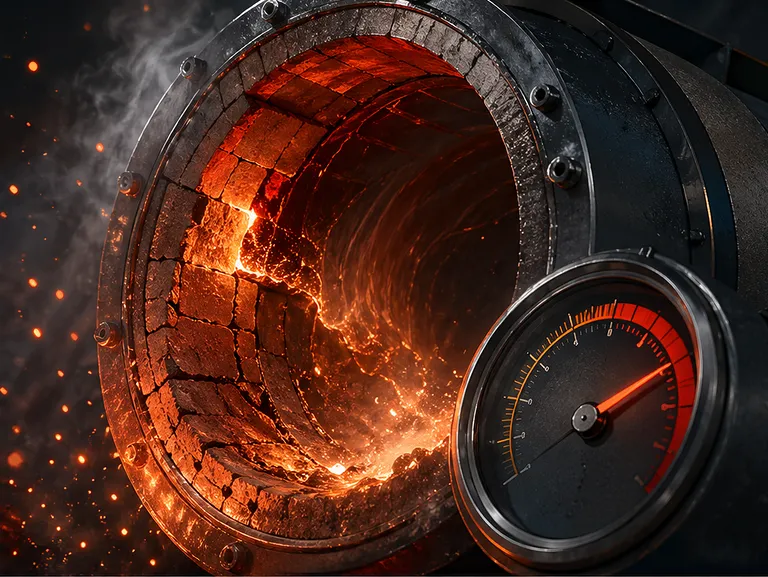
Your rotary kiln isn't necessarily broken or flawed. The real problem is that its operating temperature is being treated as a simple dial, not as the critical, strategic variable it truly is.
The perfect temperature for a rotary kiln is a delicate balance—a “Goldilocks Zone” determined by your specific application. It's a trade-off between two opposing forces:
- The "Too Cold" Trap: Operating below the necessary temperature fails to break down the target materials. For hazardous waste, this means failing to meet the mandated 99.99%+ Destruction and Removal Efficiency (DRE), leading to immediate regulatory failure.
- The "Too Hot" Trap: Exceeding the optimal temperature is just as dangerous. It wastes enormous amounts of energy, accelerates the degradation of the kiln’s protective lining, and can cause premature slagging, leading to the exact kind of damage and downtime you've been experiencing.
The "solutions" mentioned earlier—like arbitrarily raising the heat—fail because they don't respect this balance. They push the system from one side of the problem to the other without ever landing in the stable, efficient, and cost-effective middle ground.
The Solution: A System Engineered for Your Specific Thermal Profile
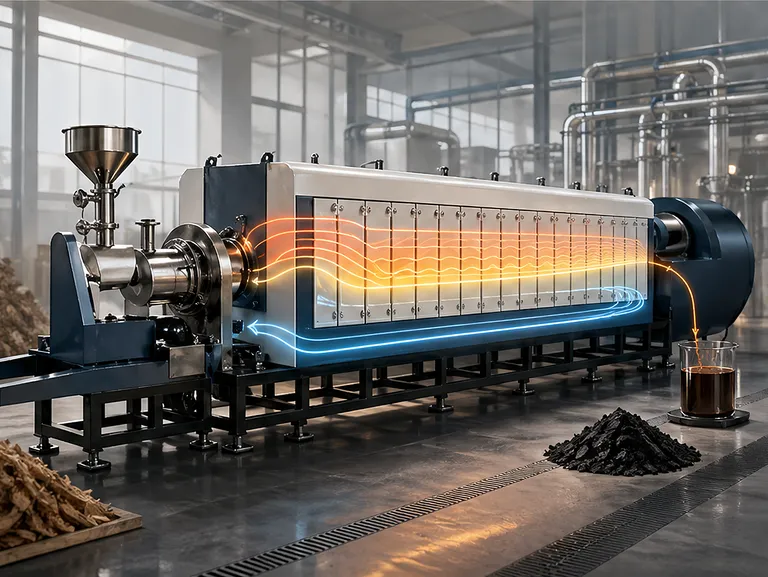
To break this cycle, you don't just need a kiln; you need a thermal processing strategy. You need a system precisely engineered to operate consistently within your unique "Goldilocks Zone."
This is where equipment designed with a deep understanding of thermal dynamics becomes critical. A one-size-fits-all approach is doomed to fail. A truly effective solution must be tailored to three key factors:
- Waste Stream Composition: Are you processing soils, solvents, or stable chemical waste? Each has a different thermal decomposition profile.
- Regulatory Mandates: What specific DRE and emissions (e.g., NOx) limits must you adhere to?
- Operational Goals: Is your primary goal maximum destruction, material calcination for reuse, or cost-effective volume reduction?
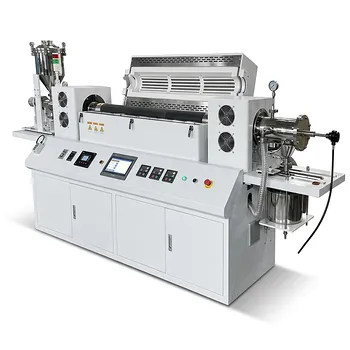
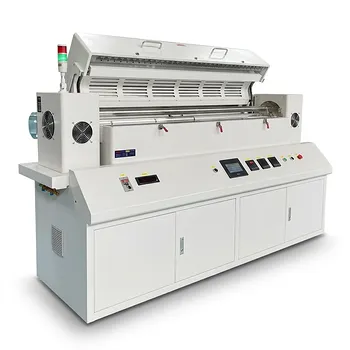
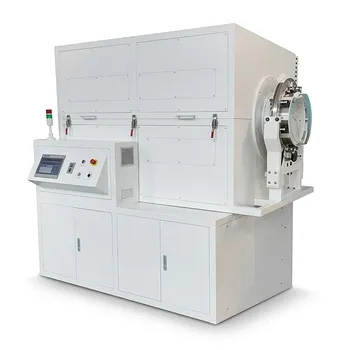
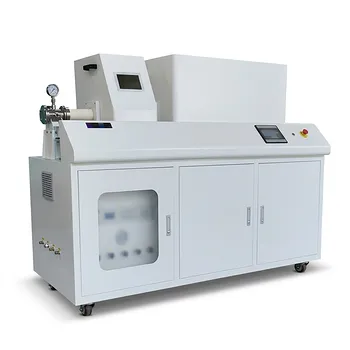
KINTEK's approach is built on this principle. Our rotary kilns are not just machines; they are configurable systems. We start not with a product catalog, but with a conversation about your specific process. By selecting the right heating method (e.g., direct-fired for high-volume waste, indirect or electric for precision material processing) and engineering the system for your target temperature range, we ensure your equipment is a solution, not another problem to manage. This tailored design is what allows you to hit and maintain that perfect thermal balance, run after run.
From Firefighting to Forward-Thinking: Unlocking New Potential
When your rotary kiln operates predictably within its optimal zone, the change is transformative. The constant firefighting stops, freeing up resources and unlocking new possibilities.
Instead of battling inconsistent results, you achieve consistent, verifiable, and compliant destruction. Instead of watching fuel bills skyrocket, you benefit from predictable, optimized operational costs. Instead of enduring frequent, unscheduled shutdowns for slag removal and refractory repair, you enjoy longer campaign runs and predictable maintenance schedules.
This stability allows your expert team to shift their focus from crisis management to process innovation. They can now work on optimizing throughput, exploring new waste streams, or improving the quality of processed materials—driving value for your organization instead of just keeping the system online.
Solving your temperature problem is the first step. The real goal is to create a reliable, cost-effective, and compliant operation that supports your business growth. Our experts do more than sell equipment; we partner with you to design a complete thermal processing strategy tailored to your unique materials and objectives. Let's discuss your project and move beyond troubleshooting to true optimization. Contact Our Experts
Related Products
- Electric Rotary Kiln Small Rotary Furnace Biomass Pyrolysis Plant
- Electric Rotary Kiln Continuous Working Small Rotary Furnace Heating Pyrolysis Plant
- Electric Rotary Kiln Small Rotary Furnace for Activated Carbon Regeneration
- Electric Rotary Kiln Pyrolysis Furnace Plant Machine Calciner Small Rotary Kiln Rotating Furnace
- Vacuum Sealed Continuous Working Rotary Tube Furnace Rotating Tube Furnace
Related Articles
- Your Rotary Kiln is Wasting Energy and Money. The Reason is Hiding in Plain Sight.
- Your Rotary Kiln is Failing You. The Reason is Simpler Than You Think.
- Your Rotary Kiln Process is Failing. The Problem Isn't Temperature—It's Purity.
- Beyond Temperature: Why Your Rotary Kiln Fails and How to Fix It for Good
- Why Your Lab's Rotary Kiln Fails: It’s Not Your Process, It’s the Parts