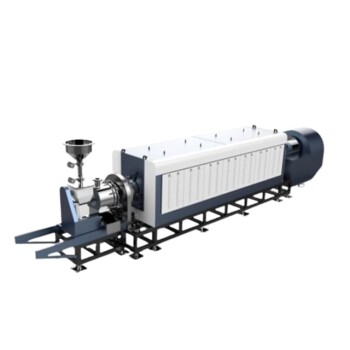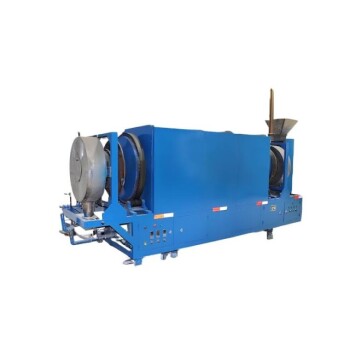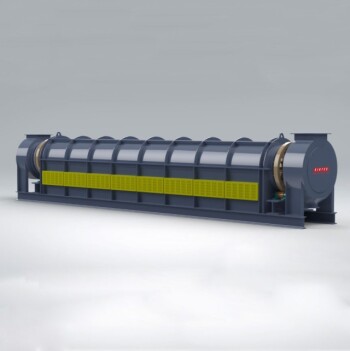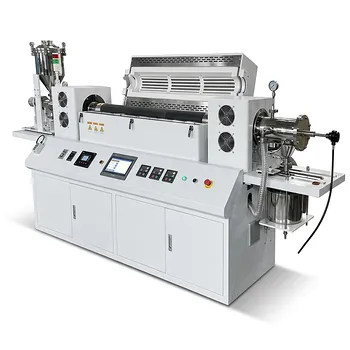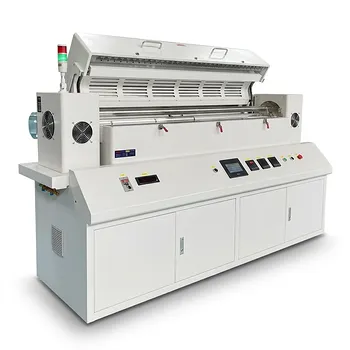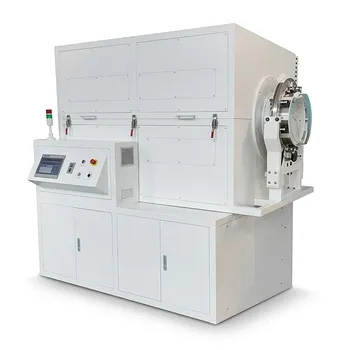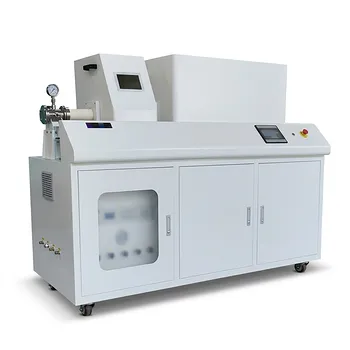
You’ve invested in a new rotary kiln, anticipating a breakthrough in your material processing. But instead of predictable success, you're trapped in a cycle of frustration. One batch yields a perfect, uniform powder; the next is a clumpy, under-processed, or even burnt, unusable mess. Your team has spent weeks tweaking settings—temperature, rotation speed, feed rate—but the results remain stubbornly inconsistent. Sound familiar?
You are not alone. This is one of the most common and costly challenges in materials science and process engineering.
The High Cost of Guesswork: When Trial-and-Error Fails
When faced with inconsistent output, the typical response is a frantic process of elimination. You might:
- Blame the raw material supplier for slight variations.
- Try cranking up the heat, hoping more energy will solve the problem, only to end up with degraded or melted product.
- Slow the kiln’s rotation to increase residence time, which sometimes helps but often makes things worse.
- Consult the kiln’s spec sheet again, wondering if you bought a machine that simply can't hit the "right" temperature.
This cycle of guesswork does more than just waste valuable materials and energy. It has severe business consequences:
- Project Delays: R&D timelines are derailed as your team battles the equipment instead of innovating.
- Inflated Costs: Wasted batches, excess energy consumption, and potential damage to the kiln's refractory lining from overheating lead to budget overruns.
- Uncertain Scalability: How can you confidently scale a process from the lab to pilot production when you can't even guarantee two identical batches in a row?
The constant struggle erodes confidence and leaves you asking a fundamental question: Why is this so hard? The answer is that you're likely solving the wrong problem.
The Breakthrough: It's Not a Temperature, It's a Journey
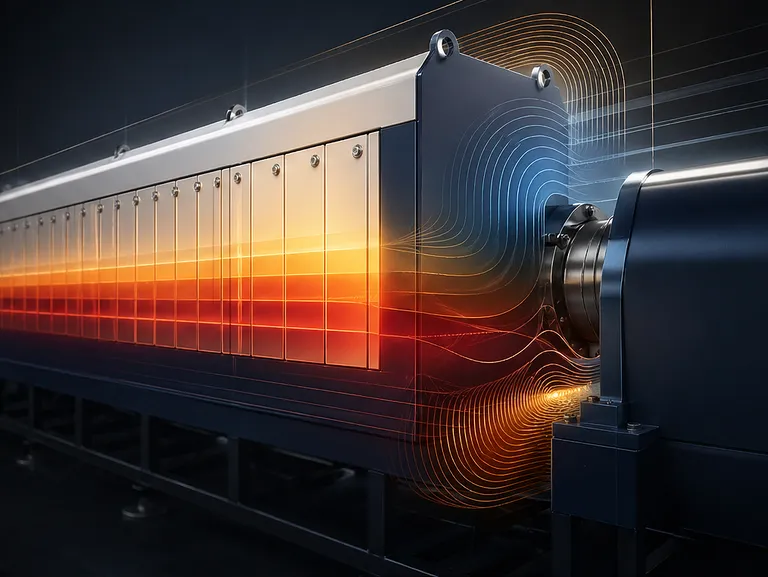
The core misunderstanding—and the hidden reason for most failures—is thinking of a rotary kiln's temperature as a single setpoint.
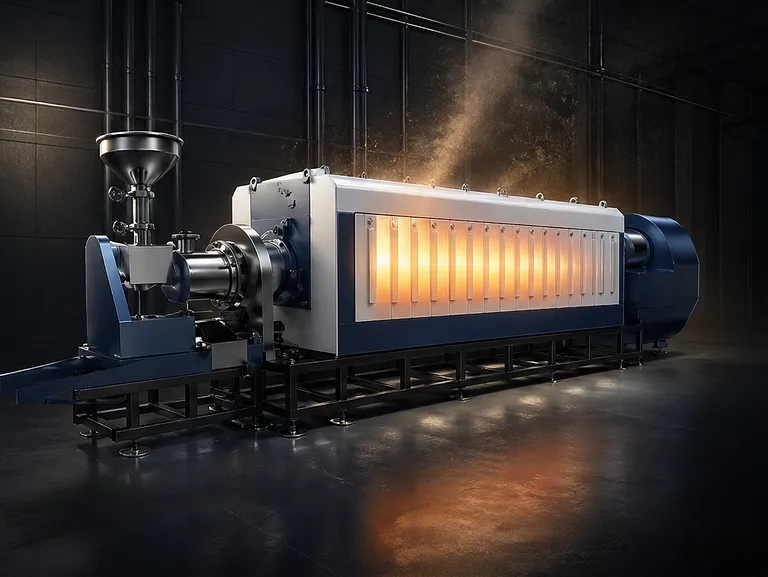
A rotary kiln is not an oven; it's a precisely engineered thermal journey.
Imagine your material entering the kiln. It doesn’t just get "hot." It undergoes a series of transformations that must happen in a specific sequence.
- Entry & Drying: It first enters a cooler zone where moisture is gently driven off. Too much heat here can cause particles to fracture.
- Pre-heating: It then moves into a hotter zone where its core temperature is gradually raised to prepare it for the main event.
- Reaction Zone: It finally reaches the peak temperature zone, where the critical chemical reaction, calcination, or sintering occurs.
- Cooling: In some processes, it then enters a cooler zone to stabilize the final product before discharge.
This controlled progression along the length of the kiln is called the thermal profile. It is the single most critical factor for success.
The "common solutions" from before fail because they ignore this journey. Cranking up a single temperature setpoint is like trying to cook a gourmet meal by putting all the ingredients in a 500°F oven at the same time—you'll burn the outside before the inside is even warm. You're trying to control a dynamic journey with a static, blunt instrument.
The Right Tool for the Journey: Engineering the Thermal Profile

To master this thermal journey, you don't need a more powerful kiln; you need the right kiln, one designed to give you granular control over the entire process. The solution isn't brute force; it's precision.
This is where KINTEK moves beyond being a simple equipment supplier. Our rotary kilns are not one-size-fits-all machines defined by a maximum temperature. They are designed as precise instruments to create and manage your material's specific thermal journey. This is achieved by engineering the key factors that build the thermal profile:
- Heating Method: We help you choose between an indirectly heated kiln for uniform, gentle processing below 1150°C, or a direct-fired system for the intense, high temperatures needed for complex synthesis.
- Zonal Control: Our advanced systems can be configured with multiple heating zones, allowing you to build the exact thermal profile—the gradient of temperatures—that your process demands.
- Integrated Control: By precisely managing kiln speed (residence time) and temperature in tandem, you can finally move from guesswork to deliberate process design.
A KINTEK kiln isn't just a piece of hardware; it's the embodiment of this deeper understanding, designed specifically to solve the root cause of inconsistency. It’s the tool built to manage the journey, not just hit a number.
Beyond Consistency: What's Possible with True Process Control?
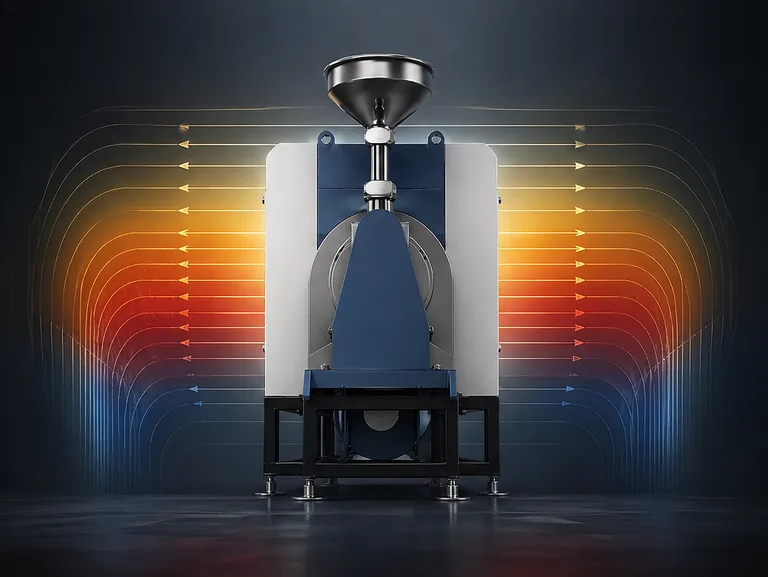
When you solve the thermal profile problem, you do more than just fix inconsistent batches. You unlock a new level of capability for your entire operation.
With a process you can finally control with confidence, you can:
- Accelerate Innovation: Your team can stop troubleshooting and start focusing on developing new materials and improving existing ones.
- Confidently Scale Up: A repeatable lab process becomes a reliable pilot-scale process, dramatically reducing the risk and time required to bring products to market.
- Explore New Frontiers: You can now work with more sensitive or complex materials that were previously impossible to process reliably.
- Guarantee Quality: Deliver batch-to-batch consistency that meets the strictest quality standards, building trust with your customers and stakeholders.
You transform the rotary kiln from a source of frustration into your most powerful tool for material innovation.
Your material processing challenges are unique, and a one-size-fits-all solution is a recipe for failure. Stop battling your equipment and start mastering your process. Our team of specialists doesn't just sell kilns; we partner with you to understand your material's specific thermal journey and configure the precise tool to ensure your success. Let's discuss how we can help you move from inconsistent results to predictable, scalable breakthroughs. Contact Our Experts.
Related Products
- Electric Rotary Kiln Small Rotary Furnace Biomass Pyrolysis Plant
- Electric Rotary Kiln Continuous Working Small Rotary Furnace Heating Pyrolysis Plant
- Electric Rotary Kiln Small Rotary Furnace for Activated Carbon Regeneration
- Electric Rotary Kiln Pyrolysis Furnace Plant Machine Calciner Small Rotary Kiln Rotating Furnace
- Vacuum Sealed Continuous Working Rotary Tube Furnace Rotating Tube Furnace
Related Articles
- Why Your Rotary Kiln Keeps Failing (And It’s Not the Parts You're Replacing)
- Mastering Rotary Kilns: A Comprehensive Guide to Operation, Applications, and Maintenance
- Your Rotary Kiln Process is Failing. The Problem Isn't Temperature—It's Purity.
- Your Rotary Kiln is Wasting Energy and Money. The Reason is Hiding in Plain Sight.
- Why Your Lab's Rotary Kiln Fails: It’s Not Your Process, It’s the Parts