It’s a scenario every materials scientist and process engineer dreads. You’ve spent months perfecting a new formula in the lab—a next-generation battery cathode, a high-efficiency catalyst, a specialized ceramic powder. The bench-scale results are flawless.
Then, you move to pilot production. You load the carefully prepared precursor into your rotary kiln, set the trusted temperature profile, and wait. But what comes out is a disaster. The material’s properties are inconsistent, its performance is poor, and worst of all, it’s contaminated. Your promising breakthrough is now a costly, time-consuming failure, and you’re left wondering: what went wrong?
The Vicious Cycle: Why Tweaking Your Process Isn't Working
If this story sounds familiar, you’re not alone. In advanced material development, the gap between lab success and reliable pilot-scale production is a well-known chasm. When faced with inconsistent batches and contaminated products, teams often fall into a frustrating cycle of troubleshooting:
- Endless Tweaking: You spend weeks adjusting rotation speeds, residence times, and temperature profiles, hoping to find a magic window of stability.
- Blaming the Inputs: You question the quality of your raw materials, sending samples out for costly analysis and putting pressure on suppliers.
- Running More Batches: You resort to running multiple, smaller batches, hoping that one or two will randomly meet the quality specifications.
This approach doesn’t just delay project timelines and inflate R&D budgets; it kills innovation. Promising materials are often abandoned, not because the science is flawed, but because they are deemed "too difficult to manufacture." The commercial consequences are enormous: slower time-to-market, lost competitive advantage, and a reputation for unreliability.
But what if the problem isn't your process, your materials, or your team's skill? What if the very tool you're relying on is silently sabotaging your results?
The Hidden Saboteur: Your Kiln Is Contaminating Your Product
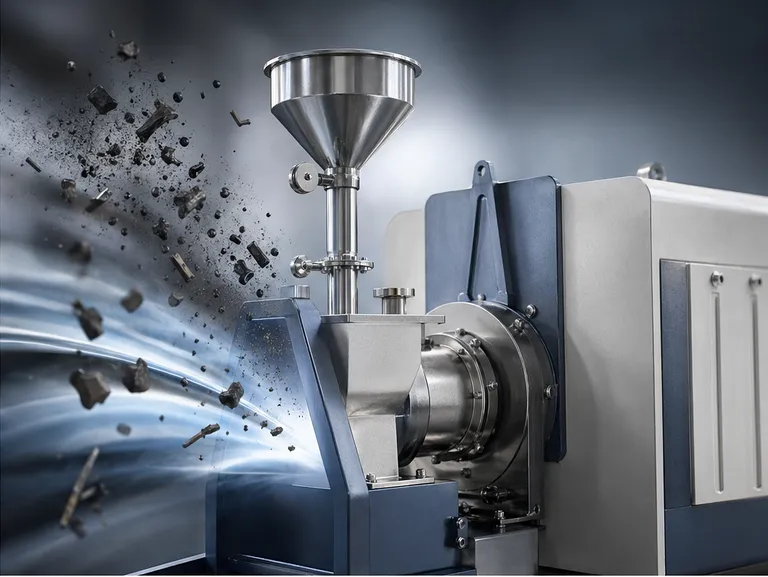
For high-purity and sensitive material applications, a generic, off-the-shelf rotary kiln is often the root cause of failure. The problem lies in fundamental design aspects that are frequently overlooked but have an outsized impact on your final product. These aren't process issues; they are mechanical and material failures happening inside the furnace.
The Enemy Within: Contamination from Refractory Shedding
As your material tumbles and flows through the rotating kiln, it creates constant friction against the inner walls. A standard kiln is lined with conventional refractory bricks (like fireclay or basic alumina) designed for heat resistance, not for purity. This constant abrasion acts like sandpaper, causing the lining to shed microscopic particles directly into your product.
For processes like making high-purity battery materials, where even parts-per-million (ppm) levels of iron, silica, or aluminum can ruin electrochemical performance, this built-in contamination is a deal-breaker. No amount of process-tweaking can prevent the kiln's own walls from polluting your batch.
The Chaos Factor: How Leaky Seals and Hot Spots Ruin Consistency
Reproducibility depends on an absolutely stable processing environment. Two common flaws in standard kilns make this impossible:
- Poor Atmosphere Control: Many advanced reactions, such as calcination of battery cathodes or carbonization, require a specific, controlled atmosphere (e.g., nitrogen or argon). Standard kiln seals are often inadequate, allowing oxygen from the ambient air to leak in. This unwanted oxygen can trigger side reactions, altering your material's chemistry and leading to inconsistent, unpredictable batch outcomes.
- Uneven Heat Transfer: The promise of a rotary kiln is uniform heating. However, inefficient designs with poor insulation or poorly placed heating elements create hot and cold spots along the shell. As your material travels through, some particles get over-processed while others are under-processed. The result isn't a uniform product; it's a mixture of different qualities, leading to poor overall performance and batch-to-batch variability.
The Purpose-Built Solution: Engineering Contamination Out
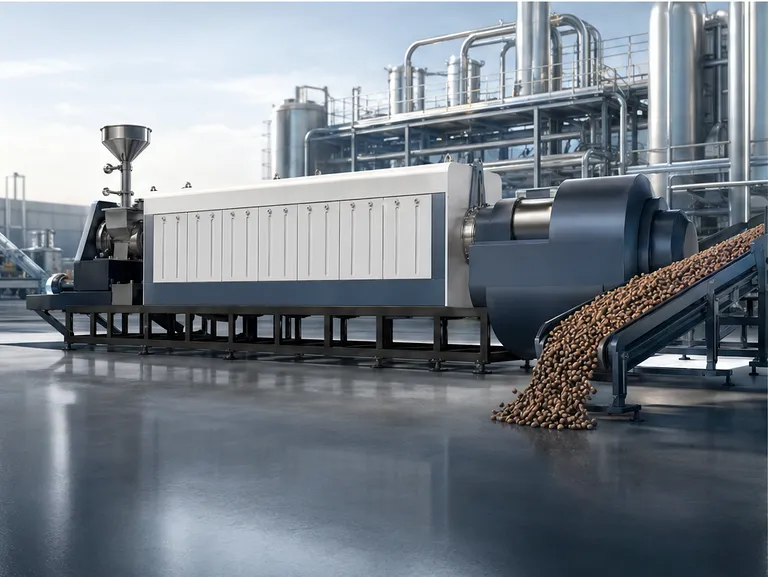
To overcome these fundamental flaws, you don't need to reinvent your process. You need a better tool—one that is engineered from the ground up to protect the integrity of your material.
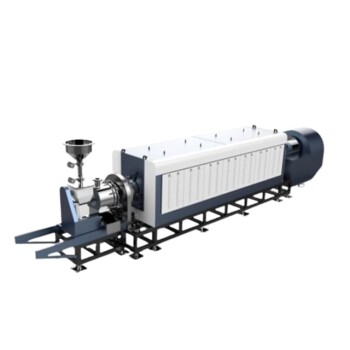
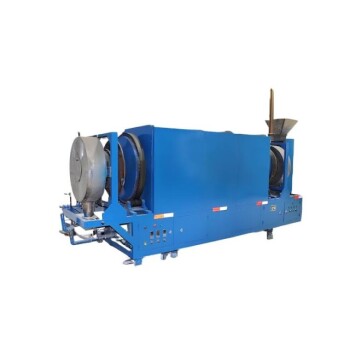
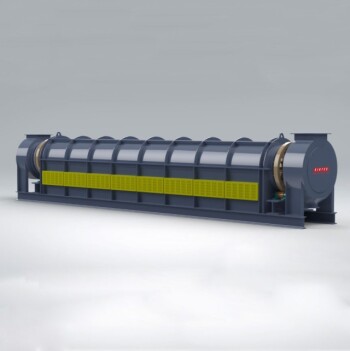
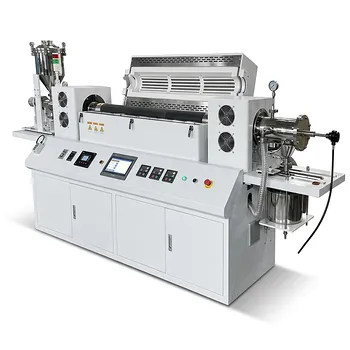
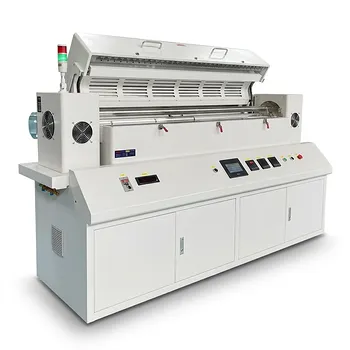
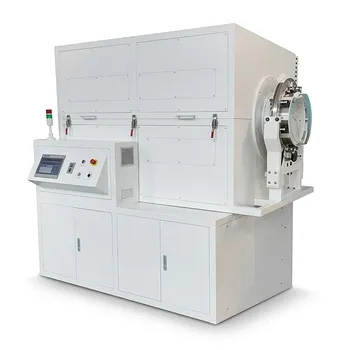
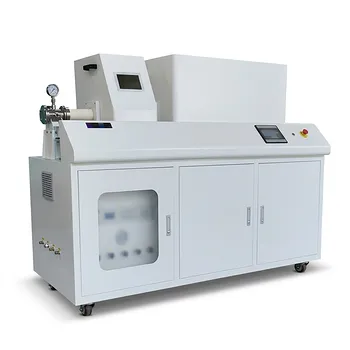
This is the core principle behind KINTEK’s laboratory and pilot-scale rotary kilns. We recognize that for advanced applications, a kiln is not just a furnace; it is a precision instrument. Our designs directly address the root causes of contamination and inconsistency:
-
To Combat Refractory Shedding: We offer customizable, high-purity linings made from non-reactive materials like quartz or 99% alumina. These durable, non-shedding surfaces ensure that the only thing in your final product is what you put in, protecting it from mechanical and chemical contamination.
-
To Guarantee Atmosphere Integrity: Our kilns are built with robust, gas-tight sealing systems. This allows you to maintain a precise inert or reactive gas atmosphere, preventing unwanted side-reactions and ensuring your chemical transformations happen exactly as intended, every single time.
-
To Deliver Absolute Thermal Uniformity: We utilize 360° external heating elements and optimized internal lifter designs to guarantee even heat distribution. This eliminates hot spots and ensures every single particle in your batch receives the exact same thermal treatment, delivering unparalleled consistency.
Beyond Reliability: Accelerating Your Material Innovation
When you finally solve the chronic problems of contamination and inconsistency, you do more than just fix a production headache. You unlock your organization's true potential for innovation.
With a KINTEK rotary kiln designed for your specific needs, your team can:
- Confidently Scale Up: Move from the lab to pilot production, knowing your results will be reliable, repeatable, and representative of your material's true potential.
- Accelerate R&D Cycles: Stop wasting time troubleshooting equipment and focus on developing the next breakthrough material.
- Process "Impossible" Materials: Successfully manufacture highly sensitive or high-purity materials that were previously defeated by generic equipment.
- Build Market Trust: Deliver a consistently high-quality product that solidifies your reputation as an industry leader.
Stop letting your equipment dictate the limits of your innovation. By addressing the root mechanical causes of failure, you can finally achieve the reliable, high-purity material processing your work demands. Our team of experts understands that moving from a formula to a scalable product involves more than just heat—it requires precision engineering. Let's discuss the unique challenges of your project and how the right tools can help you achieve your goals. Contact Our Experts.
Related Products
- Electric Rotary Kiln Small Rotary Furnace Biomass Pyrolysis Plant
- Electric Rotary Kiln Continuous Working Small Rotary Furnace Heating Pyrolysis Plant
- Electric Rotary Kiln Small Rotary Furnace for Activated Carbon Regeneration
- Electric Rotary Kiln Pyrolysis Furnace Plant Machine Calciner Small Rotary Kiln Rotating Furnace
- Vacuum Sealed Continuous Working Rotary Tube Furnace Rotating Tube Furnace
Related Articles
- Why Your Rotary Kiln Fuel Choice Is Sabotaging Your Results—And How to Fix It
- Your Rotary Kiln Isn't an Oven: The Secret to Consistent Thermal Processing
- Your Lab Process Fails to Scale? The Rotary Kiln Sizing Mistake You're Probably Making
- Hotter Isn't Better: The Hidden Costs of Your Rotary Kiln's Temperature Setting
- Your Rotary Kiln is Wasting Energy and Money. The Reason is Hiding in Plain Sight.