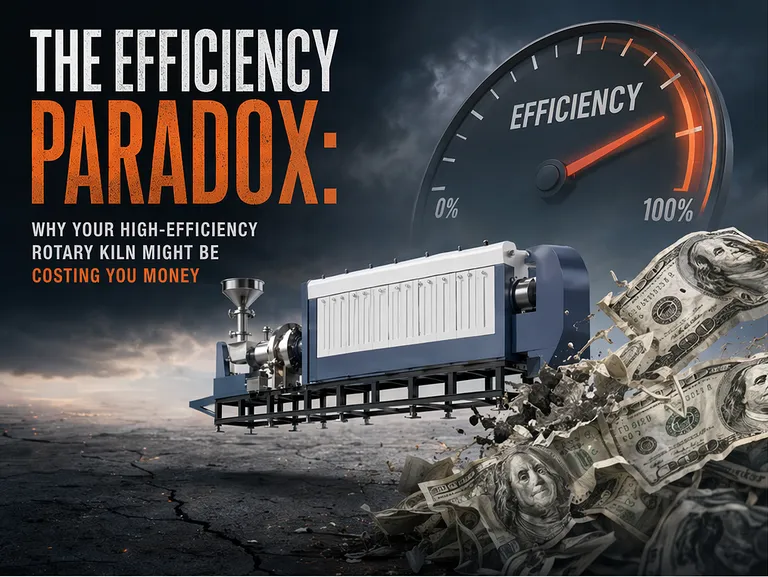
You’ve invested in a new rotary kiln for your lab, one that boasts over 95% energy efficiency on the spec sheet. You expected precise results, lower utility bills, and smoother operations. Instead, you're stuck in a frustrating loop: your material is under-processed or contaminated, your energy costs are surprisingly high, and your project timeline is slipping away.
You're left wondering, "I bought the 'most efficient' model. Why isn't it working for me?"
If this scenario sounds familiar, you’ve encountered the efficiency paradox—a common but costly misunderstanding in material processing.
The Cycle of Frustration: Tweaking Settings on the Wrong Machine
When a process goes wrong, the immediate instinct is to blame the settings. Lab teams spend countless hours and resources:
- Endlessly adjusting temperatures, hoping to find a magic number that works.
- Tweaking rotation speeds and inclination angles, trying to manage the material's residence time.
- Questioning the quality of the raw materials, leading to unnecessary supplier disputes.
- Blaming operator error, causing friction within the team.
These efforts are often fruitless because they are symptoms-focused. The negative business consequences quickly pile up: projects are delayed, R&D budgets are drained by wasted energy and materials, and the credibility of your results comes into question. The core issue isn't in the fine-tuning; it's in the fundamental choice of equipment.
Beyond the Spec Sheet: What "Energy Efficiency" Truly Means
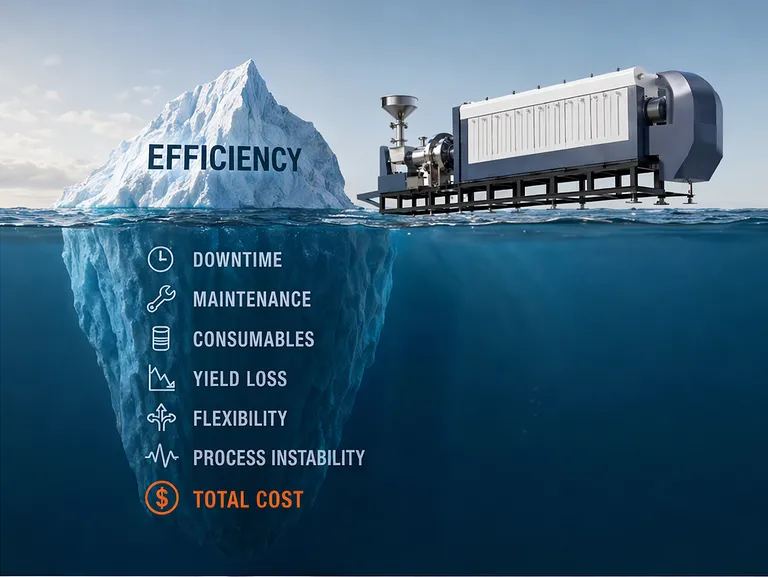
The turning point comes when you realize that not all efficiency is created equal. The number on a spec sheet—typically "thermal efficiency"—only tells part of the story. The true measure of success is operational efficiency: achieving your specific processing goal reliably and for the lowest total cost.
The disconnect lies in the kiln's core technology: its heating method.
Thermal vs. Operational Efficiency: A Hidden Trade-Off
A kiln's thermal efficiency rating measures how much energy is successfully transferred as heat to the material.
- Electrically heated kilns excel here, often exceeding 95% efficiency. Because they generate heat directly inside the chamber with no combustion, almost no energy is lost to exhaust fumes.
- Fuel-fired kilns (gas, oil) have lower thermal efficiency because a significant amount of heat escapes with the hot exhaust gases required for combustion.
However, if electricity in your region is far more expensive than natural gas, running a 95% efficient electric kiln for a large-scale process could be significantly more costly than running a less thermally-efficient gas kiln. This is the hidden trade-off: high thermal efficiency does not automatically equal low operating cost.
A Tale of Two Atmospheres: Cleanliness vs. Reactivity
The most overlooked factor is the processing atmosphere.
- Electric kilns provide an immaculately clean, controlled atmosphere. This is non-negotiable for processing sensitive electronics, pharmaceuticals, or catalysts where even trace contamination from combustion byproducts (like CO₂ or water vapor) would ruin the batch.
- Fuel-fired kilns inherently create an atmosphere rich in combustion gases. While this is a deal-breaker for sensitive materials, it can be perfectly neutral—or even beneficial—for robust bulk materials or certain chemical reactions.
This is why the common "solutions" fail. No amount of temperature tweaking on an electric kiln can replicate a reactive atmosphere if your process needs it. And trying to process a contamination-sensitive material in a direct-fired kiln is a recipe for failure, regardless of cost savings.
The Right Tool for the Job: Matching Kiln Design to Your Process
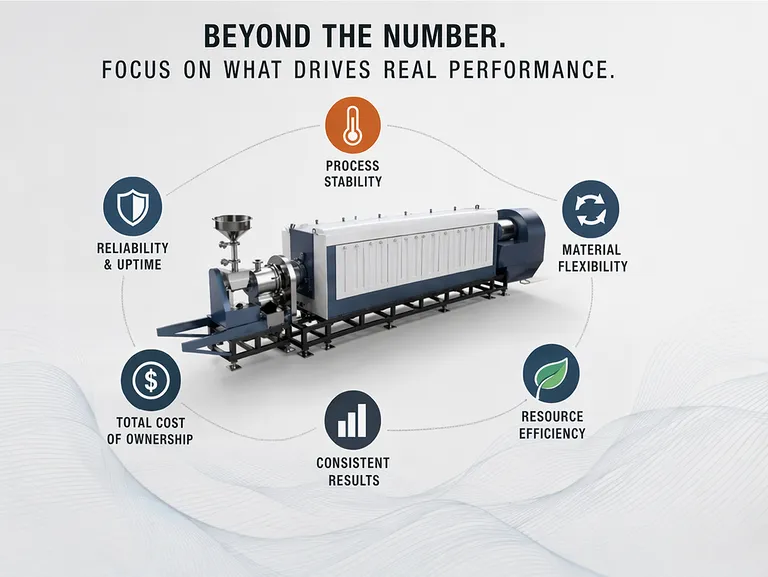
To escape the cycle of frustration, you need a tool that is not just efficient on paper, but engineered for the physics and chemistry of your specific application. It's about selecting a kiln where the heating method, temperature range, and internal design work in harmony with your material.
This is where a purpose-built design becomes critical. At KINTEK, we don't just sell equipment; we help you solve your processing challenges by providing the right tool for the job.
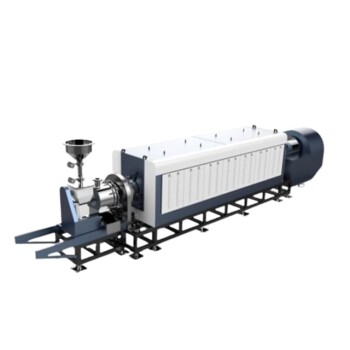
- For maximum purity and process control: Our electrically heated rotary kilns are the definitive choice. Their >95% thermal efficiency ensures precise, uniform heating in a contamination-free environment, perfect for high-value, sensitive materials.
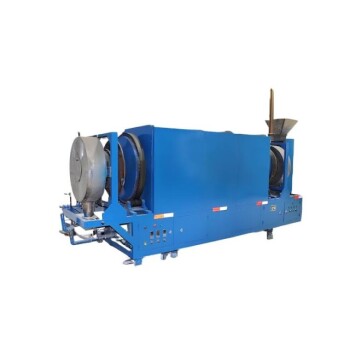
- For high-temperature applications and cost-effective bulk processing: Our fuel-fired rotary kilns are engineered for robustness and throughput. They can reach temperatures well above the 1100°C limit of many electric models and can offer a more favorable operating cost for large volumes.
Beyond the heat source, all our kilns are built with superior refractory linings and airtight seals to prevent heat loss, and can be configured with internal lifters to maximize heat transfer. This ensures that whichever model you choose, it's already optimized for peak performance.
From Troubleshooting to Innovation: Unlocking Your Lab's Potential
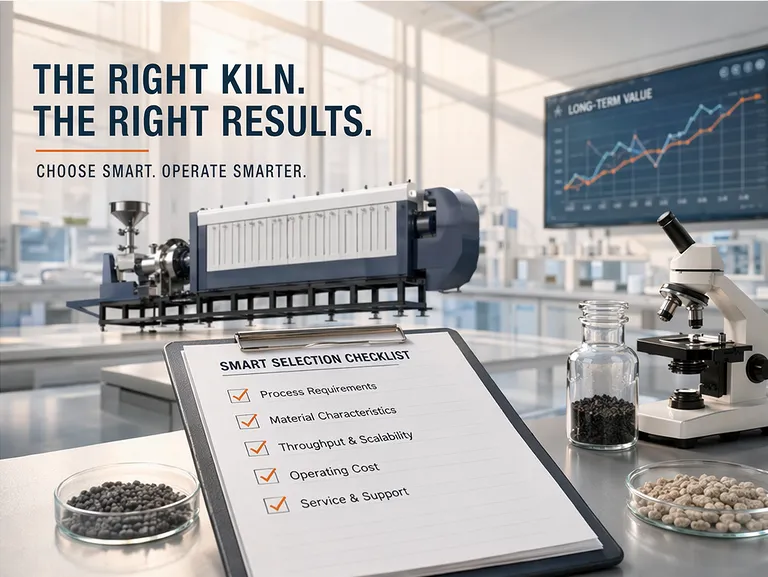
When your kiln is perfectly matched to your process, the focus shifts. You're no longer wasting valuable time and resources simply trying to make the equipment work. Instead, you unlock new possibilities:
- Accelerate R&D: Move from lab-scale testing to pilot production with confidence, knowing your process is scalable and repeatable.
- Explore New Frontiers: Process materials you previously couldn't due to temperature limitations or contamination concerns.
- Enhance Product Quality: Deliver consistent, high-quality products batch after batch, strengthening your market reputation.
- Improve Your Bottom Line: Achieve genuine operational efficiency that lowers total costs and maximizes your return on investment.
Choosing the right rotary kiln isn't just an equipment purchase; it's a strategic decision that empowers your entire operation. Stop chasing a single number on a spec sheet and start a conversation about what your process truly needs to succeed. Our team has helped hundreds of labs overcome their material processing challenges, moving them from frustration to innovation. Let's discuss how we can do the same for you. Contact Our Experts to find the perfect kiln for your project.
Related Products
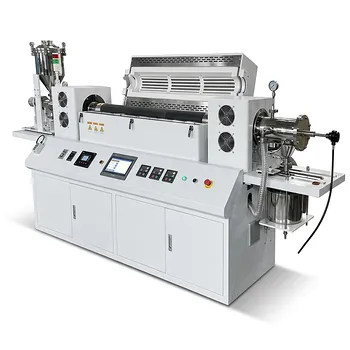
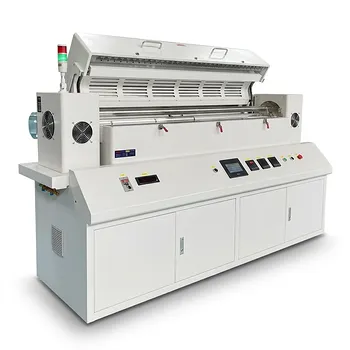
- Electric Rotary Kiln Small Rotary Furnace Biomass Pyrolysis Plant
- Electric Rotary Kiln Continuous Working Small Rotary Furnace Heating Pyrolysis Plant
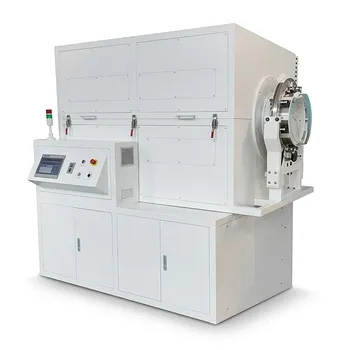
- Electric Rotary Kiln Small Rotary Furnace for Activated Carbon Regeneration
- Electric Rotary Kiln Pyrolysis Furnace Plant Machine Calciner Small Rotary Kiln Rotating Furnace
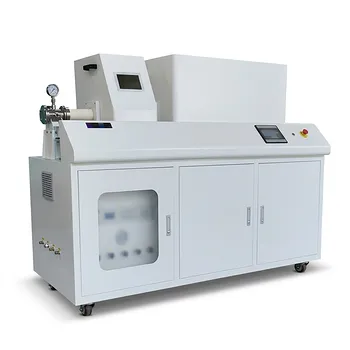
- Vacuum Sealed Continuous Working Rotary Tube Furnace Rotating Tube Furnace
Related Articles
- Hotter Isn't Better: The Hidden Costs of Your Rotary Kiln's Temperature Setting
- Your Rotary Kiln is Wasting Energy and Money. The Reason is Hiding in Plain Sight.
- Your Rotary Kiln is Failing You. The Reason is Simpler Than You Think.
- Your Rotary Kiln Process is Failing. The Problem Isn't Temperature—It's Purity.
- Beyond Temperature: Why Your Rotary Kiln Fails and How to Fix It for Good