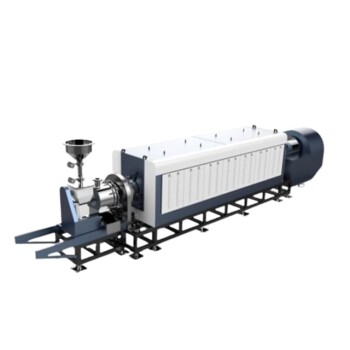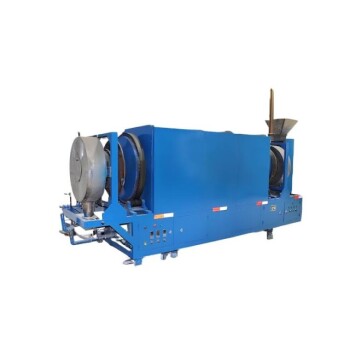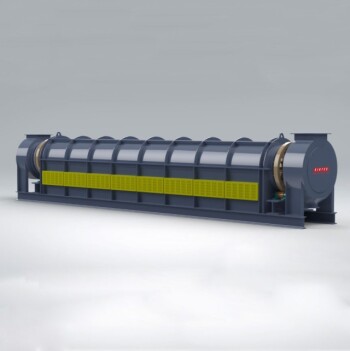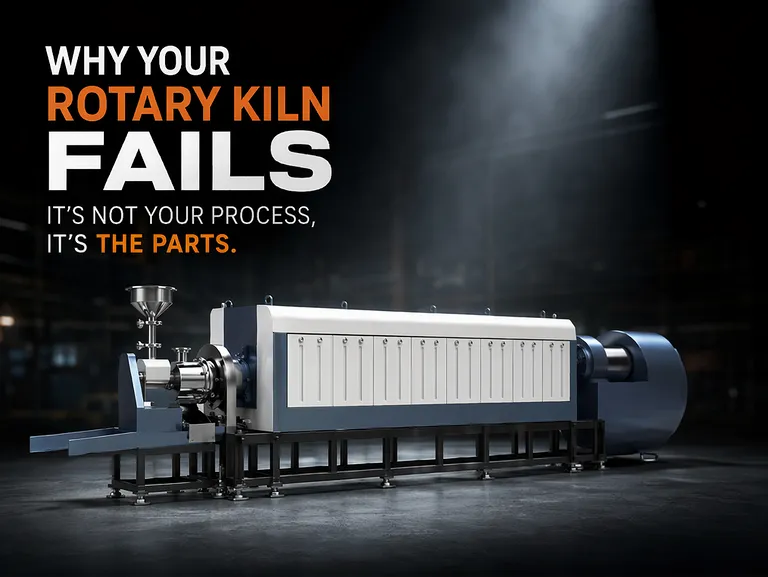
Does this sound familiar? You've spent weeks optimizing a thermal process in your lab's rotary kiln. You finally get one perfect batch—the material has the exact crystal structure, particle size, and purity you need. You run the exact same recipe again, and the result is completely different. The product is under-processed, oxidized, or contaminated. You’re back to square one, wasting valuable time, expensive materials, and your team's morale.
You’re not alone. This frustrating cycle is a common story in R&D labs and pilot plants everywhere.
Chasing Ghosts: Why Tweaking Your Process Isn't Working
When faced with inconsistent results, the natural impulse for any diligent researcher or engineer is to double down on the process variables. You might find yourself:
- Endlessly adjusting temperature profiles, rotation speeds, and residence times.
- Re-calibrating thermocouples for the tenth time, convinced they must be wrong.
- Questioning your precursor materials, launching costly purity analyses.
- Attempting to patch suspected air leaks around the kiln seals with high-temperature tape or packing fiber.
While these efforts are logical, they often lead to dead ends. The negative business consequences pile up: R&D projects stall, new material development is delayed, and you can't create a reliable Standard Operating Procedure (SOP). Worst of all, you lose confidence in your ability to scale the process because you can't even guarantee consistency at the lab level.
The reason these fixes fail is simple: you're treating the symptoms, not the underlying disease. The problem isn't in your process sheet; it's built into the hardware itself.
The Real Culprit: When Mechanical Flaws Masquerade as Process Problems
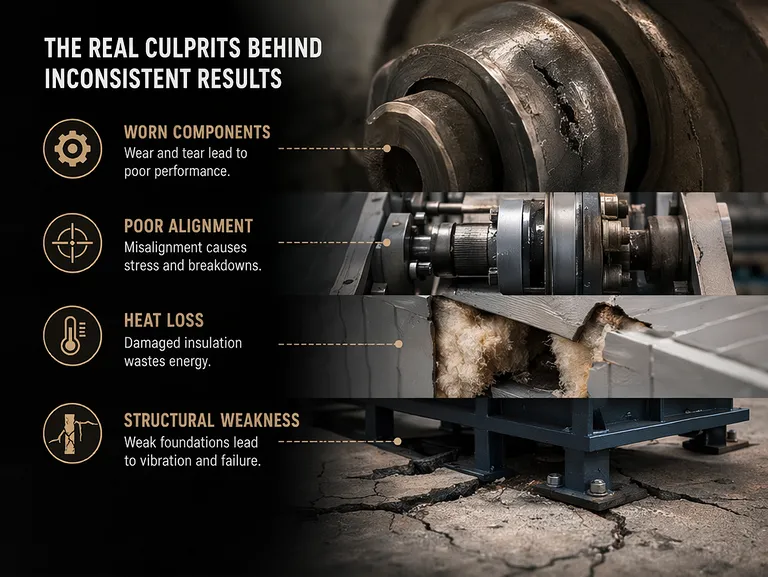
Many laboratory rotary kilns are, fundamentally, just scaled-down versions of massive industrial designs used for making cement or processing ore. An industrial kiln is a brute-force tool built for high volume, not high fidelity. A research kiln, however, must be a precision instrument. When this distinction is ignored in the design, two critical flaws emerge that sabotage your results.
Flaw #1: The Unseen Contaminant – The Air Leak You Can’t Plug
The Problem: An industrial kiln’s seals are designed to keep tons of rock from falling out, not to maintain a perfectly pure atmosphere. When this design is shrunk for a lab, the seals become a major weak point. The gap between the spinning kiln tube and the stationary feed and discharge hoods is notoriously difficult to seal perfectly.
The Consequence: You may be flowing high-purity nitrogen or argon into your kiln, but ambient air is constantly leaking in. This introduces uncontrolled amounts of oxygen and moisture, which can ruin sensitive materials, cause unwanted side reactions, and lead to wildly inconsistent results from batch to batch. You think you're running a process in an inert atmosphere, but you're not.
Flaw #2: The Silent Shedder – When Your Kiln Contaminates Your Product
The Problem: A rotary kiln is under immense stress. The combination of intense heat and the weight of the rotating shell causes it to slightly sag and deform with every rotation. In a heavy-duty industrial kiln, this is managed with thick steel and robust refractories. In a poorly designed lab kiln, this constant flexing can cause micro-cracks in the protective inner refractory lining.
The Consequence: With every rotation, tiny particles of the lining material can break off and fall directly into your high-purity product. This is a catastrophic source of contamination, especially when developing advanced materials like battery cathodes, catalysts, or semiconductor powders where purity is paramount. The kiln itself is poisoning your sample.
No amount of temperature tweaking can fix an air leak, and re-calibrating a sensor won't stop a brittle lining from shedding particles. To get reliable results, you need a tool that was actually designed for the job.
From "Black Box" to Precision Tool: Designing a Kiln for Research
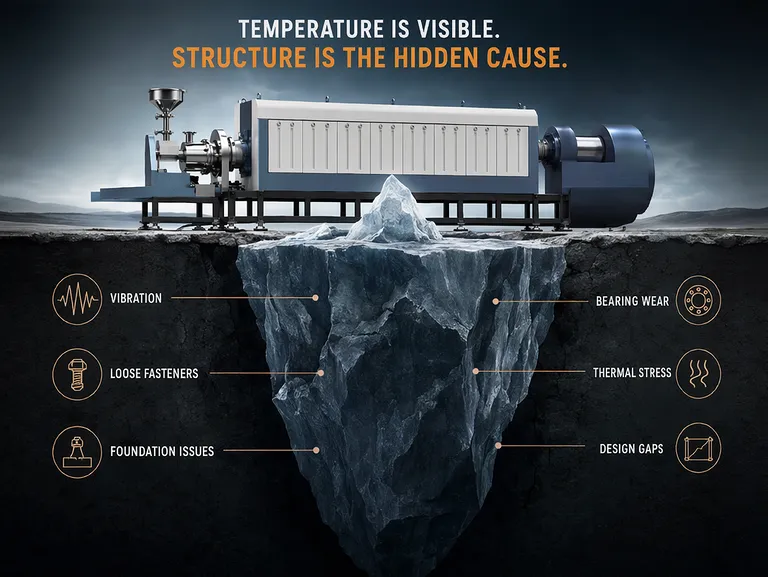
To achieve repeatable, high-purity results, you must move away from the "scaled-down industrial" mindset. You need a kiln engineered from the ground up to solve the specific challenges of laboratory work: perfect atmosphere control and absolute product purity.
This is the core philosophy behind KINTEK's laboratory-scale rotary kilns. We don't just shrink industrial designs; we re-engineer them for precision.
- To defeat atmospheric leaks, our kilns incorporate advanced, gas-purged multi-stage sealing systems. These are not just simple gaskets; they are engineered solutions designed to maintain the integrity of your inert or reactive gas atmosphere, eliminating oxidation and side-reactions as a variable.
- To prevent contamination, our kiln shells are specifically engineered to handle the stress of frequent thermal cycling common in a lab environment. We pair them with a selection of high-purity, non-shedding internal linings—from specialized ceramics to quartz glass—ensuring that the only thing in your final product is what you put in.
- To give you total control, our integrated control systems manage every critical parameter with precision. You get a stable, repeatable environment where you can confidently test variables, knowing the machine is a constant, not a source of chaos.
Beyond Troubleshooting: What Reliable Thermal Processing Unlocks
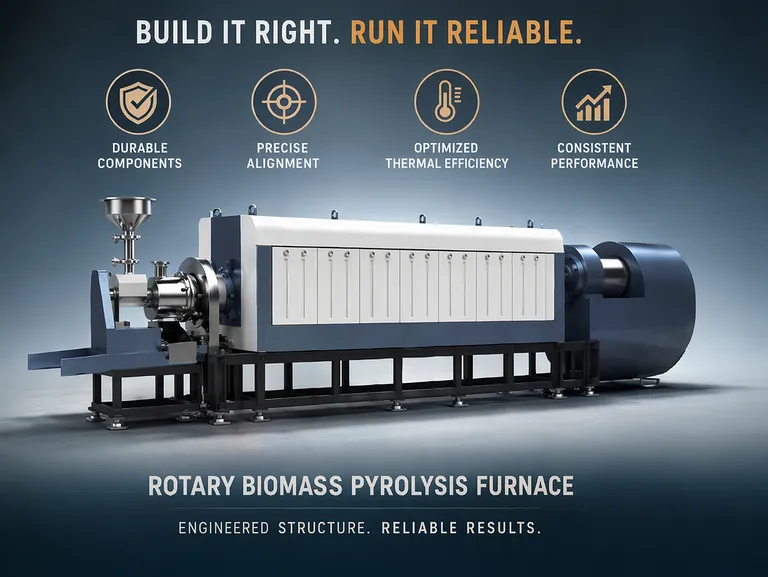
When your rotary kiln transforms from a source of frustration into a reliable instrument, it does more than just solve a problem—it opens up new possibilities for your research and development.
With a kiln you can trust, you can finally:
- Accelerate Discovery: Confidently conduct Design of Experiments (DoE) studies, knowing that changes in results are due to your scientific variables, not random equipment errors.
- Develop Sensitive Materials: Work with highly oxygen-sensitive materials for next-generation batteries, catalysts, and electronics, secure in the knowledge that your process atmosphere is truly pure.
- De-Risk Scale-Up: Develop a robust, deeply understood, and repeatable process at the lab scale, creating a reliable blueprint that drastically lowers the risk and cost of moving to a pilot plant.
- Generate Value, Not Waste: Stop throwing away time and expensive precursors on failed runs. Start generating the clean, reliable data you need to publish papers, file patents, and bring innovative products to market faster.
Your lab's challenges are unique, and your materials demand precision. Don't let your equipment be the bottleneck. It’s time to talk to a team that understands the difference between a simple furnace and a precision thermal processing instrument. Let's discuss your specific project and how the right tool can eliminate inconsistency and unlock your lab's true potential. Contact Our Experts.
Related Products
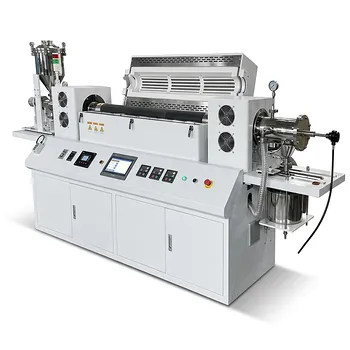
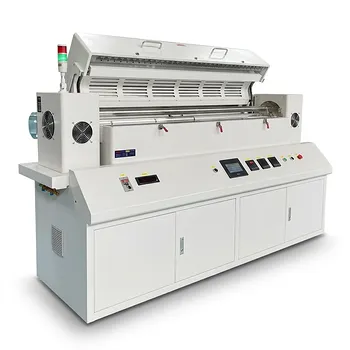
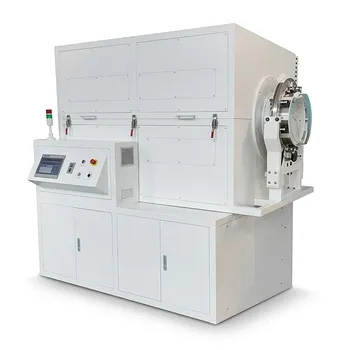
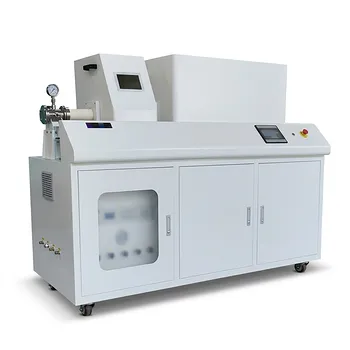
- Electric Rotary Kiln Small Rotary Furnace Biomass Pyrolysis Plant
- Electric Rotary Kiln Continuous Working Small Rotary Furnace Heating Pyrolysis Plant
- Electric Rotary Kiln Small Rotary Furnace for Activated Carbon Regeneration
- Electric Rotary Kiln Pyrolysis Furnace Plant Machine Calciner Small Rotary Kiln Rotating Furnace
- Vacuum Sealed Continuous Working Rotary Tube Furnace Rotating Tube Furnace
Related Articles
- Why More Fuel Isn't Fixing Your Rotary Kiln—And What Will
- Your Rotary Kiln is Wasting Energy and Money. The Reason is Hiding in Plain Sight.
- Your Rotary Kiln Process is Failing. The Problem Isn't Temperature—It's Purity.
- Mastering Rotary Kilns: A Comprehensive Guide to Operation, Applications, and Maintenance
- Your Rotary Kiln Isn't an Oven: The Secret to Consistent Thermal Processing