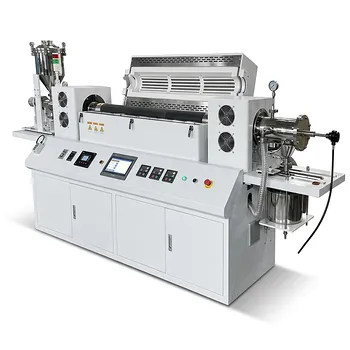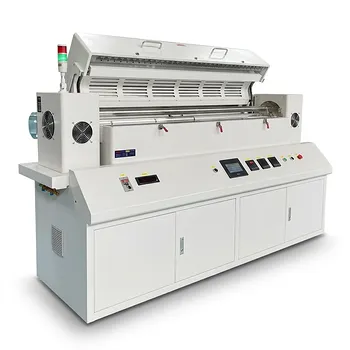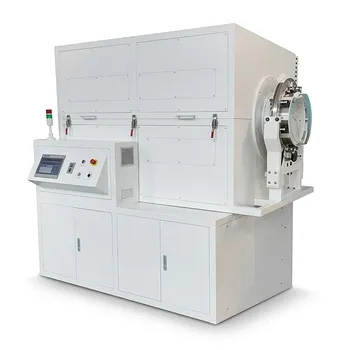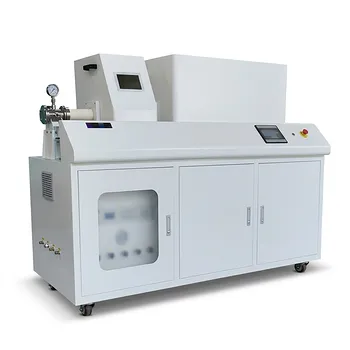
You've spent weeks trying to perfect a new material in your lab's rotary kiln. The first batch showed promise. But the next was under-processed, the one after was practically incinerated, and the latest batch is somewhere in between. The results are inconsistent, your timeline is slipping, and you're starting to question the entire process. If this sounds familiar, you are not alone.
The "One-Knob-at-a-Time" Trap and Its Hidden Costs
When faced with inconsistent outcomes, the natural impulse for any diligent researcher is to isolate and tweak variables. You think, "Maybe the temperature was too low," so you increase it. The next batch is burnt. "Okay, let's slow down the rotation speed to increase residence time." Now the material isn't mixing properly, leading to uneven heating.
This frustrating game of trial and error is common in labs everywhere. You're trying to adjust the inclination angle, the rotation speed, or the temperature profile, hoping to land on that one "magic number" that makes everything work.
This isn't just an academic puzzle; it has significant business consequences:
- Wasted Resources: Every failed run consumes expensive precursor materials and racks up energy costs.
- Project Delays: The time spent re-running experiments and troubleshooting equipment pushes back R&D deadlines and delays time-to-market.
- Lack of Scalability: You can't confidently scale a process from the lab to a pilot plant if you can't even get two identical results in a row. The foundation for scale-up is repeatability.
The reason this "one-knob-at-a-time" approach consistently fails is that it's based on a fundamental misunderstanding of how a rotary kiln works.
The Root Cause: You’re Not Controlling a Setting, You’re Managing a System
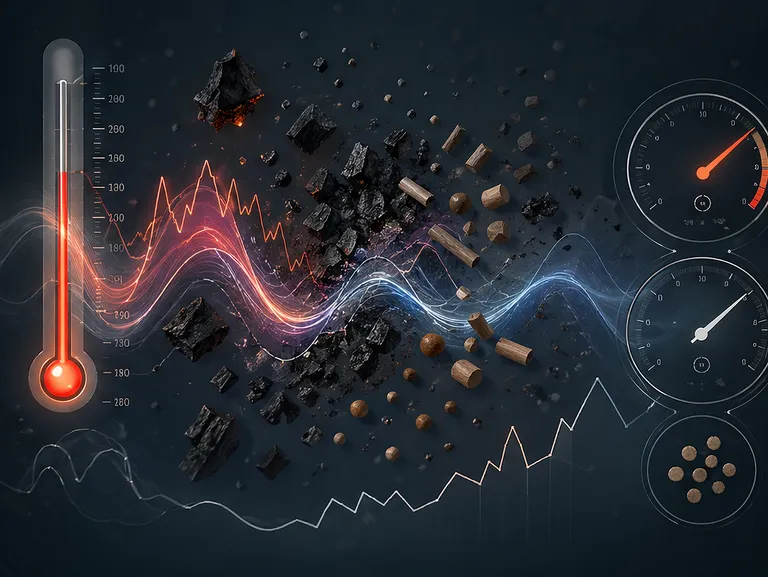
The fundamental mistake is treating the rotary kiln like a simple oven where one setting (temperature) determines the outcome. It's not. A rotary kiln is a complex, dynamic system where multiple parameters are deeply interconnected.
The three things you truly want to control are:
- Residence Time: How long the material stays in the kiln.
- Heat Transfer: How effectively and evenly the material is heated.
- Mixing: How well the particles are tumbled and exposed.
Here’s the critical insight: None of these outcomes is controlled by a single knob.
- Residence Time is a product of both inclination angle and rotation speed.
- Heat Transfer is affected by the temperature profile, the rotation speed (which governs mixing), and even the feed rate.
Trying to "fix" the temperature without considering how it impacts the required residence time is like trying to steer a car using only the accelerator. The "solutions" you've been attempting are failing because they treat isolated symptoms (e.g., "it's under-processed") instead of addressing the root cause: the entire system is out of balance.
From System Chaos to Process Control: The Role of Purpose-Built Equipment
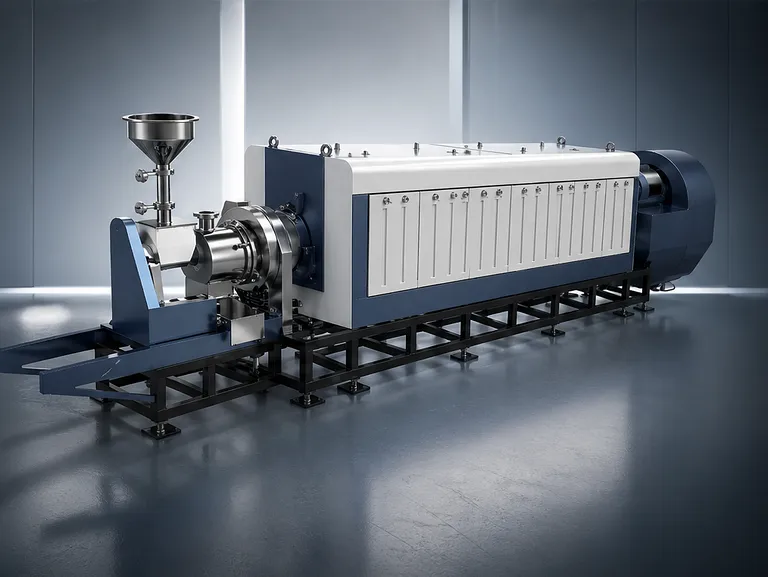
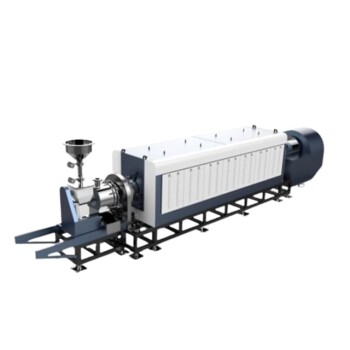
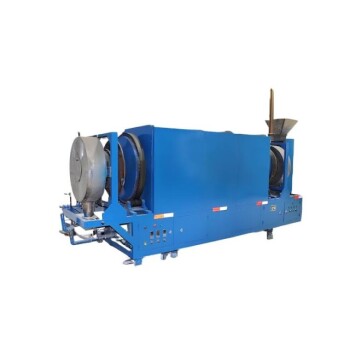
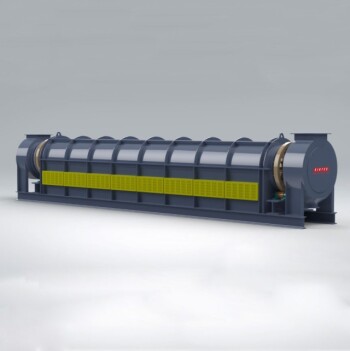
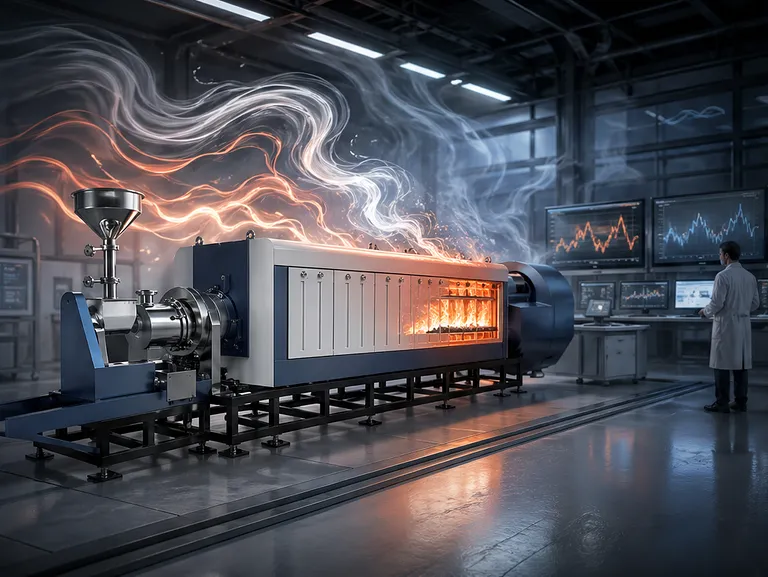
To master the process, you don't need another run of trial and error. You need a tool built for total system control, not just for heating. This is where the design philosophy behind modern laboratory rotary kilns becomes the turning point.
A well-engineered lab kiln is not just a scaled-down industrial machine; it's a precision instrument designed to solve this exact challenge. It acknowledges that parameters are interconnected and gives you simultaneous, repeatable control over them all.
This is the principle behind KINTEK's laboratory equipment. Our kilns are engineered to transform process chaos into predictable science by providing:
- Precise, Integrated Control: Instead of manually adjusting a crude incline or a variable-speed motor, you get precise digital control over rotation speed, temperature profile, and inclination angle from a single interface. This allows you to manage the system, not just tweak the parts.
- Designed for Repeatability: Once you find the combination of parameters that creates your "golden batch," you can save that process and run it again and again with identical results. This eliminates inconsistency and provides the reliable data needed for analysis and scale-up.
- Superior System Integrity: Effective seals prevent heat loss and atmospheric contamination, while robust drive systems ensure smooth, consistent rotation. This removes unwanted variables, so you're only measuring the effects of the parameters you are intentionally setting.
Our equipment is the embodiment of the solution because it's built on a deep understanding of the problem. It's designed to give you mastery over the entire dynamic system.
Beyond Troubleshooting: Unlocking New R&D and Scalability Potential
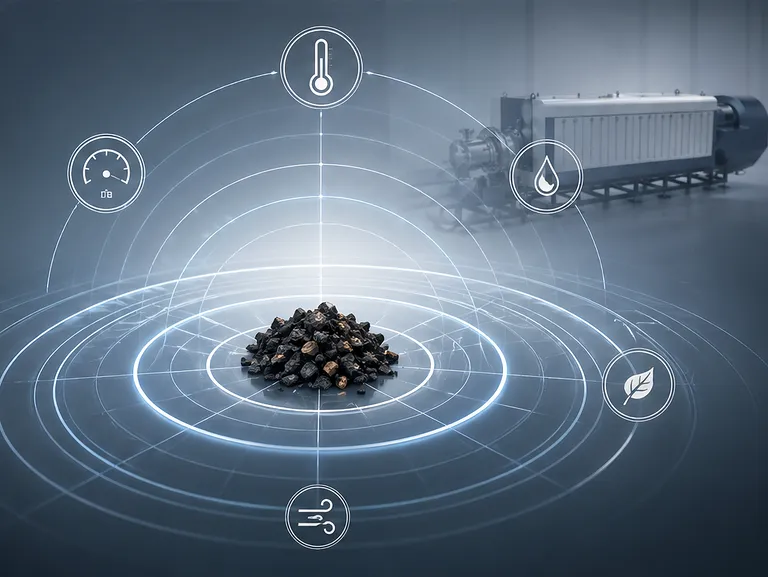
When you stop fighting your equipment and achieve true process control, you unlock a new level of scientific and commercial potential.
The conversation shifts from "Why did this batch fail?" to "What can we explore next?"
- Accelerate Your R&D: Test more variables in less time with the confidence that your results are reliable. A process that once took months of troubleshooting can now be optimized in weeks.
- Enable Confident Scale-Up: With a repeatable, well-documented process from the lab, you have a solid, data-backed foundation to design and build pilot and production-scale operations.
- Explore Novel Materials: You can now tackle more sensitive or complex materials that require a level of thermal precision and process stability that was previously impossible to guarantee.
Your next breakthrough shouldn't be held back by process inconsistency. If you're ready to stop troubleshooting and start innovating, our experts are here to help you design a process that delivers consistent, scalable results. Let's discuss the specific challenges of your project. Contact Our Experts
Related Products
- Electric Rotary Kiln Small Rotary Furnace Biomass Pyrolysis Plant
- Electric Rotary Kiln Continuous Working Small Rotary Furnace Heating Pyrolysis Plant
- Electric Rotary Kiln Small Rotary Furnace for Activated Carbon Regeneration
- Electric Rotary Kiln Pyrolysis Furnace Plant Machine Calciner Small Rotary Kiln Rotating Furnace
- Vacuum Sealed Continuous Working Rotary Tube Furnace Rotating Tube Furnace
Related Articles
- Why Your Rotary Kiln Keeps Failing (And It’s Not the Parts You're Replacing)
- Mastering Rotary Kilns: A Comprehensive Guide to Operation, Applications, and Maintenance
- Your Rotary Kiln Process is Failing. The Problem Isn't Temperature—It's Purity.
- Your Rotary Kiln is Wasting Energy and Money. The Reason is Hiding in Plain Sight.
- Why Your Lab's Rotary Kiln Fails: It’s Not Your Process, It’s the Parts