Laboratory high-pressure reactors function as critical simulation environments for the development of reverse osmosis (RO) membrane components. These vessels are utilized to replicate the intense pressure conditions required for RO processes, allowing researchers to rigorously test the performance and durability of advanced materials, particularly graphene-based composite filtration membranes.
By precisely regulating pressure to exceed seawater osmotic pressure, these reactors allow for the simultaneous verification of mechanical stability, water flux, and salt rejection rates in a controlled setting.
Simulating Operational Environments
Replicating High-Pressure Conditions
Reverse osmosis relies on overcoming natural osmotic pressure to force water through a semi-permeable membrane.
Laboratory pressure vessels are designed to simulate these specific high-pressure environments. They allow researchers to expose membrane components to conditions that meet or exceed the pressure found in actual seawater desalination processes.
Precise Parameter Regulation
The success of membrane testing depends on the accuracy of the environment.
These reactors offer the ability to precisely regulate pressure parameters. This control is essential for isolating specific variables to determine how a membrane behaves under consistent stress.
Validating Membrane Performance
Measuring Desalination and Flux
The primary goal of any RO membrane is to separate salt from water efficiently.
Researchers use these vessels to measure "desalination rates" and "water flux." This data confirms whether the membrane can maintain a high flow of water while effectively rejecting salt ions under operational pressure.
Testing Anti-Pollution Capabilities
Membranes in real-world scenarios are subject to fouling and pollution.
High-pressure reactors are used to test the "anti-pollution performance" of the components. This ensures the filtration material remains effective even when processing contaminated feed water over time.
Assessing Mechanical Integrity
Ensuring Durability Under Stress
High pressure places immense physical strain on filtration materials.
The vessels are utilized to verify the "mechanical stability and durability" of the membranes. This testing phase identifies structural weaknesses that could lead to rupture or failure during long-term operation.
Evaluating Graphene Composites
Advanced materials require specialized validation.
The primary reference highlights the use of these vessels for testing graphene-based composite filtration membranes. The reactors are essential for proving that these thin, advanced composites can withstand the rigors of RO applications without degrading.
Understanding the Trade-offs
The Complexity of Simulation
While these vessels provide vital data, they represent a simplified version of industrial realities.
Testing in a static high-pressure reactor may not perfectly replicate the dynamic flow patterns and continuous fouling risks of a full-scale industrial RO plant.
Material Constraints
The testing equipment itself must be more robust than the materials being tested.
To simulate pressures exceeding seawater osmotic pressure, the reactor vessels must be constructed of high-grade materials to ensure safety and accuracy. This adds significant cost and complexity to the development phase.
Making the Right Choice for Your Goal
When utilizing high-pressure reactors for RO development, align your testing protocols with your specific objectives:
- If your primary focus is Material Validation: Prioritize tests that verify mechanical stability and durability to ensure your graphene composites do not degrade under stress.
- If your primary focus is Performance Optimization: Concentrate on precisely regulating pressure to find the sweet spot between maximum water flux and optimal salt ion rejection.
By rigorously simulating the harsh conditions of desalination, you transform theoretical membrane designs into proven, durable solutions.
Summary Table:
| Feature | Application in RO Membrane Development |
|---|---|
| Pressure Simulation | Replicates and exceeds seawater osmotic pressure to test membrane limits. |
| Performance Metrics | Measures salt rejection rates and water flux under operational stress. |
| Durability Testing | Evaluates mechanical stability and anti-pollution capabilities of composites. |
| Material Focus | Critical for validating graphene-based filtration membranes and new materials. |
Accelerate Your RO Innovation with KINTEK
Precise simulation is the key to developing the next generation of filtration technology. KINTEK specializes in advanced laboratory equipment, providing the high-temperature high-pressure reactors and autoclaves essential for testing graphene-based composite membranes.
Our solutions empower researchers in battery research, material science, and chemical engineering with a comprehensive range of products, including:
- High-Pressure Reactors: Built for precision regulation and mechanical integrity.
- Crushing & Milling Systems: For advanced material preparation.
- Consumables: High-quality PTFE, ceramics, and crucibles for demanding environments.
Ready to elevate your desalination research and optimize water flux? Contact KINTEK today to discuss your laboratory needs!
References
- Xinyang Wang. Literature review on the application of graphene in the field of seawater desalination. DOI: 10.61173/bnd8vz96
This article is also based on technical information from Kintek Solution Knowledge Base .
Related Products
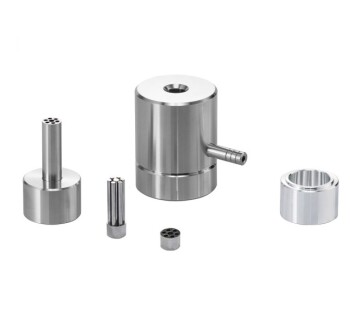
- Stainless High Pressure Autoclave Reactor Laboratory Pressure Reactor
- Mini SS High Pressure Autoclave Reactor for Laboratory Use
- Customizable Laboratory High Temperature High Pressure Reactors for Diverse Scientific Applications
- Customizable High Pressure Reactors for Advanced Scientific and Industrial Applications
- High Pressure Laboratory Autoclave Reactor for Hydrothermal Synthesis
People Also Ask
- Why is a laboratory high-pressure reactor used in the hydrothermal synthesis of hydroxyapatite catalysts?
- Why is a laboratory high-pressure reactor necessary for synthesizing fly ash-based zeolite? Achieve Pure Crystallization
- What role does a laboratory high-pressure reactor play in the leaching process of spent cathode materials? Optimize Recovery
- What conditions do laboratory high-pressure reactors provide for HTC? Optimize Your Biochar Production Processes
- How are high-pressure reactors used to prepare metaphosphate electrocatalysts? Master In-Situ Precursor Growth