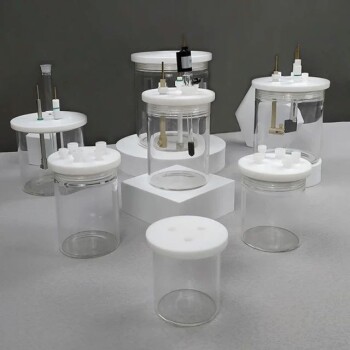
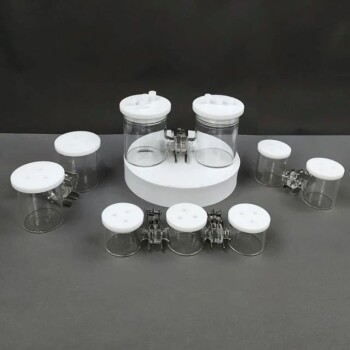
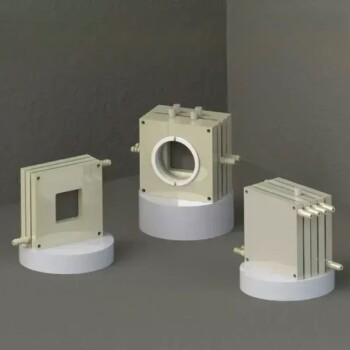
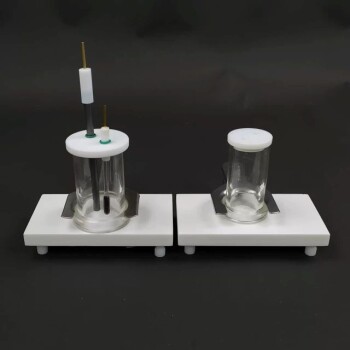
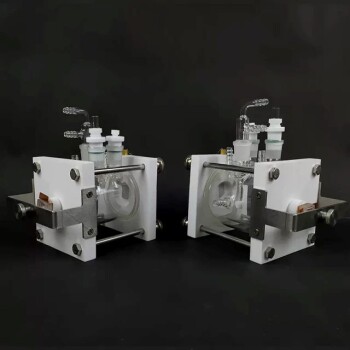
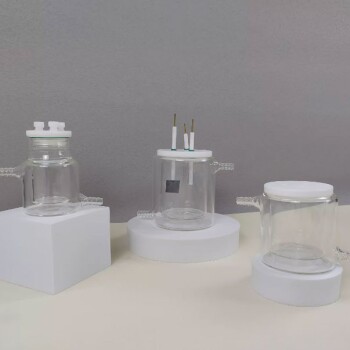
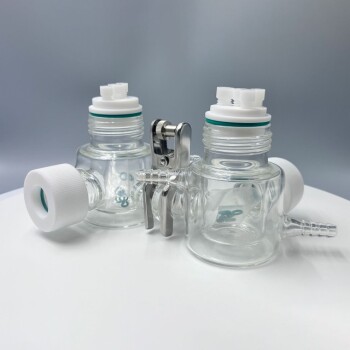
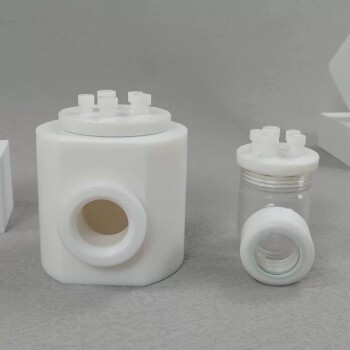
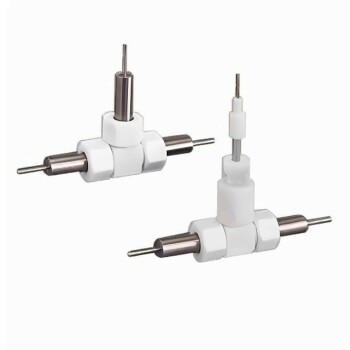
Electrolytic cells coupled with potential control systems function by applying precise, cycling voltages to the platinum surface. By using a potentiostat to oscillate the electrical potential—typically between 0.4 and 1.6 V versus the Reversible Hydrogen Electrode (RHE)—the system forces platinum nanoparticles to undergo transient oxidation and reduction. This cycling triggers the dissolution of the platinum into the electrolyte as soluble complexes, allowing it to be separated from the solid structure.
Core Takeaway: This process relies on selectivity through cyclic voltammetry. By strictly confining voltage scans to a specific window, the system dissolves platinum for recovery while leaving the surrounding carbon supports and delicate membrane structures intact.
The Mechanics of Selective Dissolution
To understand how this system works, you must look beyond simple electrolysis. It is not about applying a constant current; it is about manipulating the redox state of the metal surface.
The Role of the Potentiostat
The potentiostat acts as the control center for the electrolytic cell. It does not merely supply power; it actively monitors and adjusts the voltage to maintain specific conditions.
This precision allows the operator to target the exact electrochemical signature of platinum without triggering reactions in other materials.
Applying Cyclic Voltammetry
The primary mechanism for dissolution is cyclic voltammetry. Instead of holding a static voltage, the system scans the potential back and forth within a defined window.
According to standard protocols, this window is typically set between 0.4 and 1.6 V vs. RHE. This oscillation is critical for destabilizing the platinum lattice.
The Phenomenon of Transient Dissolution
As the potential cycles, the platinum surface alternates between oxidized and reduced states.
This constant shifting promotes transient dissolution, where platinum atoms detach from nanoparticles and enter the electrolyte. Once in the liquid phase, they form stable complexes, effectively removing them from the solid electrode.
Why Precision Matters: Protecting the Assembly
The deep value of this technology is not just that it dissolves platinum, but that it leaves everything else alone. This is particularly vital when recycling fuel cell membrane electrode assemblies (MEAs).
Preserving the Carbon Support
Platinum catalysts are often supported on carbon structures. A crude acid wash or uncontrolled electrolysis would likely corrode this carbon backbone.
By limiting the upper voltage potential to 1.6 V, the system avoids the potentials required to significantly oxidize or degrade the carbon support.
Maintaining Membrane Integrity
Fuel cell membranes are expensive and delicate. The electrochemical parameters used in this process are specifically tuned to be chemically benign to the membrane material.
This allows for the recovery of the valuable platinum catalyst while potentially preserving the rest of the MEA structure for analysis or reuse.
Understanding the Trade-offs
While effective, electrochemical selective dissolution requires strict adherence to operational parameters.
Complexity of Control Needs
This is not a "set it and forget it" process. It relies entirely on the precision of the potentiostat.
If the potential drifts outside the 0.4–1.6 V window, you risk either failing to dissolve the platinum (too low) or corroding the carbon support (too high).
Rate vs. Selectivity
The process relies on transient dissolution, which can be slower than aggressive chemical leaching.
You are trading the speed of bulk dissolution for the selectivity of recovering high-value metal without destroying the substrate.
Making the Right Choice for Your Goal
To implement this technique effectively, align your operational parameters with your specific recovery targets.
- If your primary focus is Platinum Recovery: Ensure your cyclic voltammetry scans cover the full 0.4 to 1.6 V range to maximize the rate of transient dissolution.
- If your primary focus is Component Reuse: Monitor the upper voltage limit strictly to prevent any incidental corrosion of the carbon support or damage to the membrane.
Success in this process depends on balancing the aggression of the voltage scan with the fragility of the support structure.
Summary Table:
| Feature | Electrochemical Parameter | Purpose |
|---|---|---|
| Potential Window | 0.4 - 1.6 V vs. RHE | Triggers transient platinum dissolution while protecting carbon support |
| Control Mechanism | Potentiostat (Cyclic Voltammetry) | Active monitoring and oscillating voltage to manipulate redox states |
| Core Mechanism | Transient Dissolution | Alternates between oxidation and reduction to release Pt into the electrolyte |
| Selectivity Focus | Substrate Preservation | Avoids corrosion of carbon backbones and delicate fuel cell membranes |
Maximize Your Material Recovery with Precision Technology
Efficiently recovering high-value catalysts like platinum requires the highest level of electrochemical control. KINTEK specializes in providing the specialized laboratory equipment needed for advanced electrochemical research and processing.
Whether you are refining fuel cell components or developing sustainable recycling workflows, our portfolio offers everything you need to succeed:
- Advanced Electrolytic Cells & Electrodes for precise selective dissolution.
- High-Temperature Furnaces & Reactors for material processing.
- Precision Shakers & Cooling Solutions for stable electrolyte management.
Don't compromise on selectivity or yield. Contact KINTEK today to discover how our comprehensive range of equipment and consumables can enhance your laboratory's efficiency and recovery outcomes.
References
- Rafael Granados‐Fernández, Justo Lobato. Platinum Recovery Techniques for a Circular Economy. DOI: 10.3390/catal11080937
This article is also based on technical information from Kintek Solution Knowledge Base .
Related Products
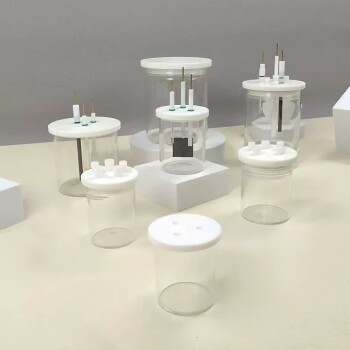
- PTFE Electrolytic Cell Electrochemical Cell Corrosion-Resistant Sealed and Non-Sealed
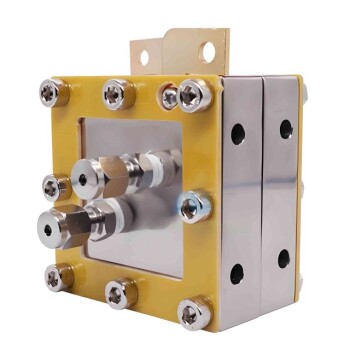
- Super Sealed Electrolytic Electrochemical Cell
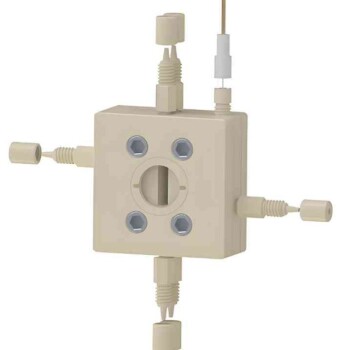
- Electrolytic Electrochemical Cell with Five-Port
- H Type Electrolytic Cell Triple Electrochemical Cell
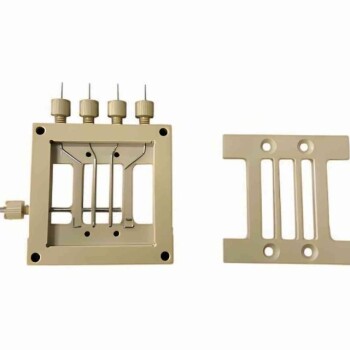
- Electrolytic Electrochemical Cell Gas Diffusion Liquid Flow Reaction Cell
People Also Ask
- What is the necessity of selecting a PTFE electrolytic cell? Ensure Precise Graphene Corrosion Testing Accuracy
- What is the proper method for cleaning the surface of an all-PTFE electrolytic cell? Ensure Accurate Results with a Pristine Surface
- How should an all-PTFE electrolytic cell be stored after use? Expert Maintenance Tips for Long-Lasting Performance
- What is the proper cleaning method for an all-PTFE electrolytic cell? Essential Tips for Surface Integrity
- What are the standard opening specifications for all-PTFE electrolytic cells? A Guide to Sealed vs. Non-Sealed Ports