Heating units in dry electrode processes contribute to energy efficiency by fundamentally changing the purpose of thermal energy in manufacturing. Rather than powering massive ovens to evaporate solvents over several hours, these units deliver targeted heat solely to activate binders, resulting in energy savings of over 30% compared to traditional wet methods.
The Core Shift: From Evaporation to Activation Traditional wet processes spend nearly half their total energy budget fighting the physics of evaporation and solvent recovery. Dry electrode technology bypasses this entirely, using compact heating sources to physically modify the binder material rather than dry it.
The Energy Burden of Wet Coating
The High Cost of Evaporation
Traditional wet electrode manufacturing relies heavily on large industrial drying ovens. The primary function of these units is to evaporate liquid solvents from the electrode slurry.
Extensive Processing Time
This evaporation process is not instantaneous; it requires hours of operation to ensure the electrode is fully dried and stable.
Massive Energy Consumption
Because of the scale and duration of operation, the drying step is the single largest energy consumer in the plant. It can account for up to 47% of total battery manufacturing energy consumption.
How Dry Electrode Heating Changes the Equation
Compact, Targeted Equipment
Dry electrode processes replace cavernous drying ovens with compact heating units. These typically take the form of hot rollers or localized infrared heaters.
A Change in Purpose
The heat in a dry process is not used for drying. Its primary role is to assist in binder plasticization or fibrillation. The goal is to activate the materials to form a cohesive film, not to remove moisture or solvents.
Elimination of Auxiliary Systems
The efficiency gains extend beyond the heating element itself. By eliminating solvents, the dry process removes the need for massive air circulation infrastructure.
Removal of Toxic Gas Recovery
Furthermore, the process eliminates the requirement for toxic gas condensation systems, which are mandatory in wet processes to capture evaporated solvents.
Understanding the Operational Differences
The "Savings" Are Structural
The energy reduction is not just about better heaters; it is about removing entire process steps. You are not making the drying more efficient; you are deleting the requirement for drying altogether.
Scale of Infrastructure
The operational trade-off involves moving from macro-management of facility air and gas systems to the micro-management of localized heat. The focus shifts from managing airflow volumes to controlling contact temperature on rollers or IR intensity.
Making the Right Choice for Your Goal
When evaluating manufacturing technologies, consider how the heating mechanism aligns with your strategic objectives:
- If your primary focus is Decarbonization: Adopt dry electrode processes to target the single largest energy consumer (drying ovens), potentially reducing total manufacturing energy by nearly half.
- If your primary focus is Facility Footprint: utilize dry electrode heating units to eliminate the physical space required for long drying lines and complex gas recovery infrastructure.
By switching from solvent evaporation to binder activation, manufacturers can secure energy savings of over 30% while simplifying their production lines.
Summary Table:
| Feature | Traditional Wet Coating Ovens | Dry Electrode Heating Units |
|---|---|---|
| Primary Function | Evaporate liquid solvents | Activate/Plasticize binders |
| Energy Goal | Massive heat for evaporation | Targeted heat for fibrillation |
| Energy Share | Up to 47% of total plant energy | Reduction of 30% or more |
| Auxiliary Needs | Solvent recovery & air circulation | Minimal to none |
| Infrastructure | Large industrial drying lines | Compact rollers or IR heaters |
Revolutionize Your Battery Production with KINTEK
Maximize your laboratory and production efficiency by transitioning to sustainable electrode manufacturing technologies. KINTEK specializes in precision laboratory equipment, providing the advanced heating solutions and processing tools necessary to transition from energy-heavy wet processes to efficient dry electrode technology.
From high-temperature furnaces and vacuum systems to hydraulic presses (pellet, hot, isostatic) and battery research consumables, our comprehensive portfolio supports every stage of your material science workflow. Our expertise helps you reduce energy consumption, shrink your facility footprint, and eliminate toxic gas recovery costs.
Ready to optimize your energy efficiency? Contact KINTEK today to discover how our high-performance equipment can drive your decarbonization goals and streamline your manufacturing process.
References
- Mohamed Djihad Bouguern, Karim Zaghib. Engineering Dry Electrode Manufacturing for Sustainable Lithium-Ion Batteries. DOI: 10.3390/batteries10010039
This article is also based on technical information from Kintek Solution Knowledge Base .
Related Products
- Laboratory Scientific Electric Heating Blast Drying Oven
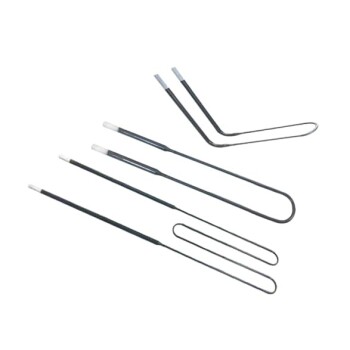
- Molybdenum Disilicide (MoSi2) Thermal Elements Electric Furnace Heating Element
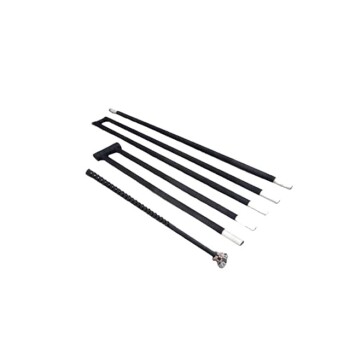
- Silicon Carbide SiC Thermal Heating Elements for Electric Furnace
People Also Ask
- How does a laboratory electric drying oven contribute to the formation of the initial coating? Expert Insights
- What role does a precision laboratory drying oven play in the synthesis of GO-PANI nanocomposites? Protect Material Integrity
- What role does a laboratory drying oven play in the preparation of zinc oxide nanoparticle precursors?
- What is the necessity of using a laboratory drying oven when processing MoO3/GO composite nanopowders? Find out here.
- What is the role of a laboratory drying oven in cellulose citrate production? Ensure Material Stability & Purity