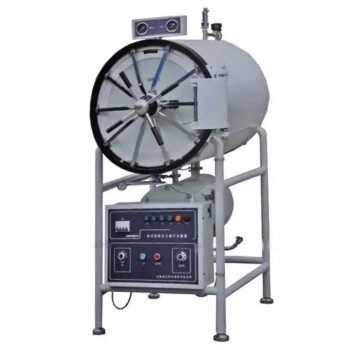
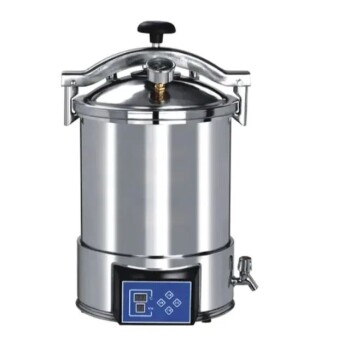
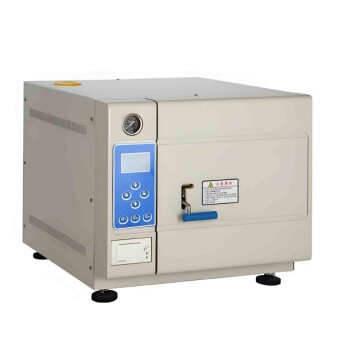
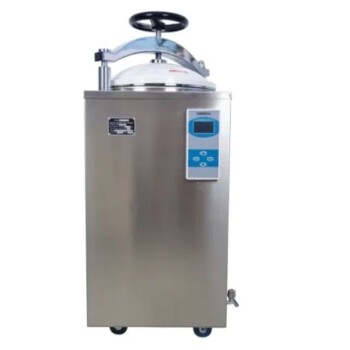
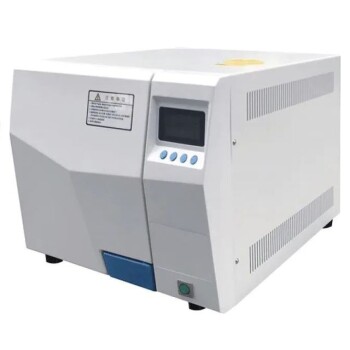
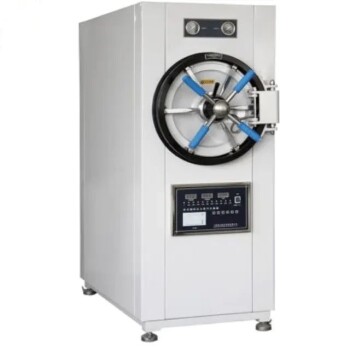
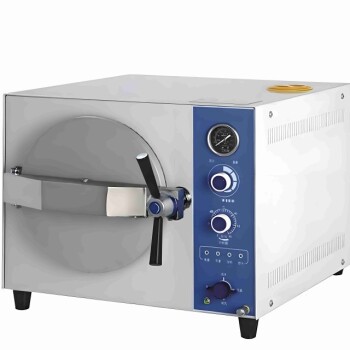
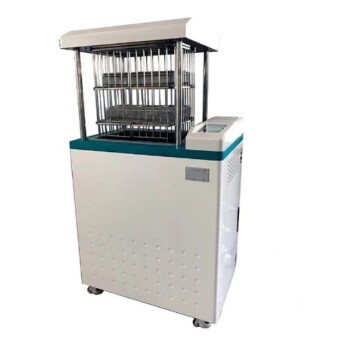
A high-pressure reactor, or autoclave, functions as a precision-controlled environmental chamber. It provides a sealed vessel capable of replicating the extreme physical and chemical conditions found in deep oil and gas wells, specifically temperatures reaching 120 °C and total pressures of 10 MPa. By strictly regulating gas mixtures and fluid composition, it allows engineers to validate the corrosion resistance of materials before they are deployed into inaccessible underground environments.
By decoupling specific variables like carbon dioxide (CO2) partial pressure from total system pressure, these reactors create a high-fidelity simulation platform. This ensures that the evaluation of casing materials and sacrificial anodes is based on realistic downhole stresses rather than theoretical approximations.
Replicating Downhole Physics and Chemistry
Precise Environmental Control
The core function of the reactor is to simulate the High-Temperature High-Pressure (HTHP) environment of deep wells.
It achieves this by maintaining a sealed system that can sustain temperatures up to 120 °C (and varying lower ranges like 80°C depending on the formation).
Simultaneously, it maintains a total system pressure of 10 MPa, matching the immense weight of the fluid column and rock formation experienced downhole.
Managing Gas Partial Pressures
Total pressure is not the only factor in corrosion; the specific concentration of corrosive gases is critical.
The autoclave allows for the precise control of the partial pressure of CO2, which is a primary driver of corrosion in oil and gas wells.
To achieve the target total pressure without altering the corrosive CO2 ratio, the system utilizes high-purity nitrogen. This inert gas acts as a pressurizing agent to reach the 10 MPa requirement without chemically skewing the corrosion test.
Simulating Chemical Interactions
Corrosion does not happen in a vacuum; it occurs within specific fluid chemistries.
The reactor allows materials to be submerged in mineralized water or specific completion fluids, such as formate-based fluids.
This creates a realistic chemical interface to observe how the electrolyte composition interacts with the metal surface under heat and pressure.
Material Evaluation Capabilities
Testing Casing Integrity
The reactor serves as a proving ground for casing materials, including alloys like 13Cr, 9Cr, and P110.
By subjecting these materials to the simulated environment for extended periods, engineers can assess their long-term stability and resistance to pitting or stress-corrosion cracking.
Assessing Protective Systems
Beyond the structural steel, the reactor evaluates the efficiency of corrosion mitigation systems.
It tests the performance of sacrificial anodes to ensure they degrade at the correct rate to protect the primary asset.
This verification is vital for predicting the lifespan of the equipment in the actual wellbore.
Understanding the Constraints
Static vs. Dynamic Simulation
While autoclaves provide excellent control over pressure and chemistry, they are typically closed, static systems.
Actual wellbores often have flowing fluids (hydrodynamics) that introduce shear stress, which a standard static autoclave may not fully replicate.
Volume Limitations
The physical size of the sealed vessel limits the size of the material samples that can be tested.
This means evaluations are often performed on coupons (small samples) rather than full-scale components, requiring engineers to extrapolate the data to full-size applications.
Making the Right Choice for Your Evaluation
Different evaluation goals require focusing on different parameters within the reactor.
- If your primary focus is Alloy Selection: Prioritize precise CO2 partial pressure control to stress-test the material's passive film stability against carbonate corrosion.
- If your primary focus is Anode Efficiency: Ensure the fluid chemistry (mineralized water) exactly matches the expected formation water to accurately gauge the electrochemical consumption rate.
Ultimately, the high-pressure reactor transforms theoretical material data into actionable operational confidence.
Summary Table:
| Parameter | Typical Simulation Specification | Role in Corrosion Evaluation |
|---|---|---|
| Temperature | Up to 120 °C | Replicates deep-well thermal stress and chemical reaction rates |
| Total Pressure | 10 MPa | Simulates fluid column and rock formation weight |
| Partial Pressure | Precise CO2 control | Targets specific corrosive drivers (e.g., carbon dioxide) |
| Fluid Media | Mineralized water/Formates | Replicates downhole chemical interfaces and electrolytes |
| Gas Handling | High-purity Nitrogen | Serves as an inert agent to reach target pressure without skewing chemistry |
| Test Subjects | Alloys (13Cr, 9Cr, P110), Anodes | Evaluates long-term stability and sacrificial protection efficiency |
Secure Your Deep-Well Assets with Precision Testing
Don’t leave your material integrity to chance. KINTEK specializes in advanced laboratory solutions designed to withstand the most demanding HTHP conditions. From our high-temperature high-pressure reactors and autoclaves to essential crushing, milling, and ceramic consumables, we provide the tools researchers need to simulate realistic downhole stresses and prevent costly field failures.
Whether you are evaluating casing alloys or sacrificial anodes, our experts are ready to equip your lab with the industry's most reliable equipment.
Contact KINTEK Today to Optimize Your Lab’s Capabilities
References
- Mifeng Zhao, Zihan Chen. Corrosion Studies of Temperature-Resistant Zinc Alloy Sacrificial Anodes and Casing Pipe at Different Temperatures. DOI: 10.3390/ma16227120
This article is also based on technical information from Kintek Solution Knowledge Base .
Related Products
- Stainless High Pressure Autoclave Reactor Laboratory Pressure Reactor
- Mini SS High Pressure Autoclave Reactor for Laboratory Use
- Customizable High Pressure Reactors for Advanced Scientific and Industrial Applications
- High Pressure Laboratory Autoclave Reactor for Hydrothermal Synthesis
- Customizable Laboratory High Temperature High Pressure Reactors for Diverse Scientific Applications
People Also Ask
- Why is a laboratory high-pressure reactor used in the hydrothermal synthesis of hydroxyapatite catalysts?
- Why is a laboratory high-pressure reactor necessary for synthesizing fly ash-based zeolite? Achieve Pure Crystallization
- What role does a laboratory high-pressure reactor play in the leaching process of spent cathode materials? Optimize Recovery
- What conditions do laboratory high-pressure reactors provide for HTC? Optimize Your Biochar Production Processes
- How are high-pressure reactors used to prepare metaphosphate electrocatalysts? Master In-Situ Precursor Growth