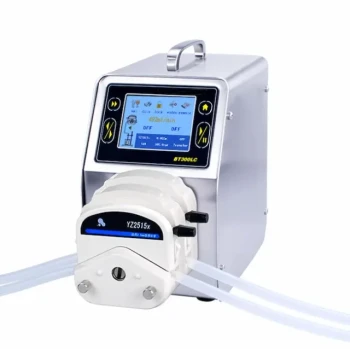
A laboratory peristaltic pump functions as the circulatory system of an electrochemical flow cell. It ensures continuous operation by circulating the electrolyte at a precisely controlled, constant flow rate, typically ranging from 0.1 to 2 mL min-1. This mechanical consistency is the primary driver behind maintaining a stable electrochemical environment over time.
Core Takeaway The pump acts as a stabilizing agent by simultaneously removing waste products and replenishing fuel. It prevents physical blockages caused by gas bubbles while ensuring the chemical composition of the electrolyte remains constant at the reaction site.
The Mechanics of Stability
To understand the pump's contribution, you must look beyond simple fluid movement. It addresses two fundamental challenges in electrochemistry: physical obstruction and chemical depletion.
Managing Gaseous Byproducts
Gas evolution is a common occurrence at the cathode during electrochemical reactions. Without intervention, these gaseous products accumulate as bubbles on the electrode surface.
The peristaltic pump creates a continuous flow that physically sweeps these bubbles away. By preventing bubble accumulation, the pump maintains the active surface area of the electrode, ensuring the reaction is not physically blocked.
Replenishing Reactant Ions
As the electrochemical reaction proceeds, the local environment near the electrode becomes depleted of necessary ions. The pump resolves this by providing a steady supply of fresh reactant ions, such as potassium ions.
This constant replenishment prevents "starvation" at the reaction site. It ensures that the chemical concentration remains uniform, maintaining the stability of the local reaction micro-environment.
Critical Considerations for Flow Control
While the pump is essential, its effectiveness relies heavily on the precision of its operation.
The Importance of Constant Flow
The flow rate must be constant, not variable. Fluctuations in flow can lead to unstable diffusion layers, which results in erratic experimental data.
Adhering to Optimal Rates
The reference specifically highlights a flow rate range of 0.1 to 2 mL min-1. Operating outside this range can be detrimental; too low a flow may fail to remove bubbles, while too high a flow could disrupt the delicate micro-environment required for specific reactions.
Making the Right Choice for Your Goal
When configuring your peristaltic pump for an electrochemical flow cell, consider your specific experimental limitations.
- If your primary focus is preventing electrode fouling: Prioritize a flow rate sufficient to immediately scour gaseous products from the cathode surface.
- If your primary focus is reaction consistency: Ensure your pump is calibrated to deliver a strictly constant flow within the 0.1 to 2 mL min-1 window to maintain chemical stability.
The peristaltic pump turns a static, decaying reaction into a dynamic, sustainable process.
Summary Table:
| Feature | Impact on Electrochemical Operation | Benefit |
|---|---|---|
| Precise Flow Control | Maintains constant flow rate (0.1–2 mL/min) | Stabilizes the diffusion layer and experimental data |
| Bubble Removal | Physically sweeps away gaseous byproducts | Prevents electrode fouling and maintains active surface area |
| Ion Replenishment | Delivers a steady supply of fresh reactant ions | Prevents chemical starvation and ensures reaction consistency |
| Mechanical Circulation | Continuous electrolyte turnover | Converts static reactions into dynamic, sustainable processes |
Elevate Your Electrochemical Research with KINTEK Precision
Consistency is the backbone of reliable electrochemical data. At KINTEK, we specialize in providing high-performance laboratory equipment designed for the most demanding research environments. Whether you are optimizing an electrochemical flow cell with our precision peristaltic pumps or conducting advanced material synthesis using our high-temperature furnaces, electrolytic cells, and electrodes, we have the tools you need.
From battery research consumables to high-pressure reactors and PTFE laboratory products, KINTEK delivers the durability and precision required to turn a decaying reaction into a sustainable process.
Ready to stabilize your lab's workflow? Contact us today to explore our comprehensive range of solutions!
References
- Ting Xu, Shun Wang. Microenvironment engineering by targeted delivery of Ag nanoparticles for boosting electrocatalytic CO2 reduction reaction. DOI: 10.1038/s41467-025-56039-x
This article is also based on technical information from Kintek Solution Knowledge Base .
Related Products
- Variable Speed Peristaltic Pump
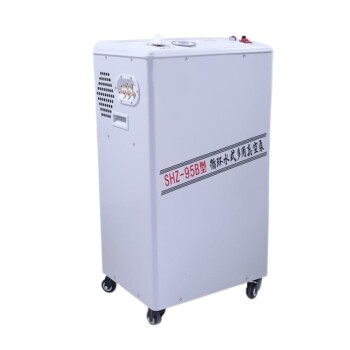
- Laboratory Vertical Water Circulating Vacuum Pump for Lab Use
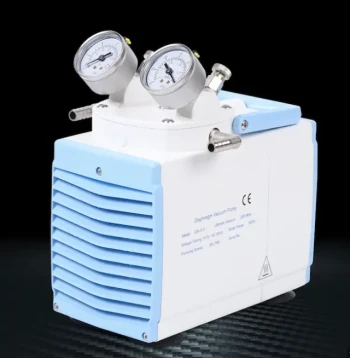
- Oil Free Diaphragm Vacuum Pump for Laboratory and Industrial Use
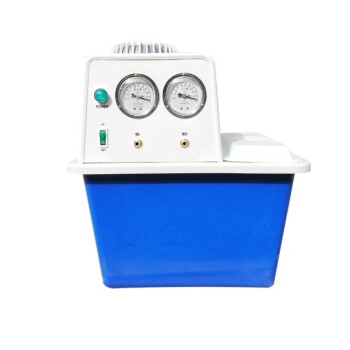
- Circulating Water Vacuum Pump for Laboratory and Industrial Use
- Laboratory Benchtop Water Circulating Vacuum Pump for Lab Use
People Also Ask
- What is the core component of a peristaltic pump? The Flexible Tubing Explained
- What is sputtering rate? Master the Key to Controlling Thin Film Deposition Speed
- What is process monitoring in the context of a decontamination process? Ensure Safety and Compliance
- What chemicals are used in heat treatment? Master the Quenching Process for Optimal Metal Properties
- Why is a capacitance manometer preferred for RF plasma systems? Ensure Precise Gas-Independent Pressure Monitoring