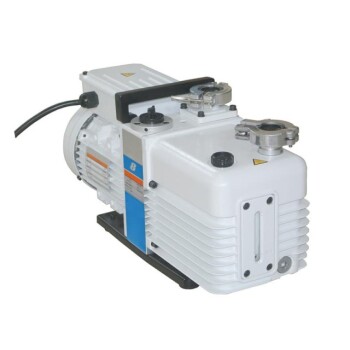
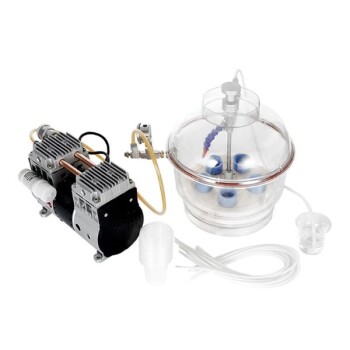
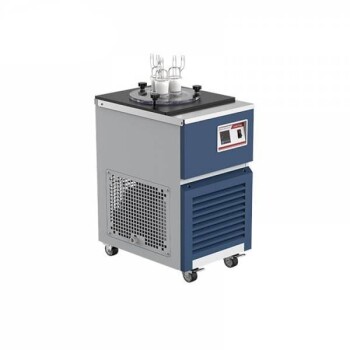
A laboratory vacuum pump serves as a critical purification tool during the pretreatment phase of a horizontal heat storage reactor. Its specific function is to thoroughly evacuate the entire stainless steel reactor system prior to the introduction of ammonia gas. By actively removing residual air and potential water vapor, the pump establishes the necessary baseline conditions for the chemical process to occur.
The vacuum pump does more than simply lower pressure; it eliminates contamination. By removing non-condensable gases and moisture, the pump ensures that impurity gases do not compromise pressure control or inhibit the chemical activity of the subsequent ammoniation reaction.
Creating a Contaminant-Free Environment
Removing Residual Air
The primary task of the vacuum pump is to act as a compressor that intakes gas from the reactor at low pressure and discharges it outside the system.
This process strips away the atmospheric air naturally present in the reactor. Removing this air is the first step in preparing the vessel for chemical interaction.
Eliminating Water Vapor
Beyond standard air, the pump targets the removal of potential water vapor trapped within the system.
Moisture can be particularly detrimental to chemical storage systems. Evacuating the reactor ensures that the internal environment is dry and chemically neutral before the active ingredients are introduced.
Establishing a Pure Ammonia Atmosphere
The ultimate goal of this evacuation is to prepare the system for the introduction of ammonia.
By creating a vacuum first, you ensure that when ammonia is introduced, the environment consists solely of ammonia. This prevents dilution and ensures the reaction proceeds in a pure environment.
Protecting Process Integrity
Maintaining Accurate Pressure Control
Impurity gases, if left in the reactor, create partial pressures that skew system readings.
The vacuum pump removes these variables. This allows for precise pressure control, ensuring that the pressure data recorded during the experiment reflects only the behavior of the ammonia and the storage material.
Preserving Reaction Activity
The presence of foreign gases can negatively impact the "activity" or efficiency of the ammoniation reaction.
A thorough pretreatment vacuum ensures that the reactants can interact without interference. This maximizes the efficiency and predictability of the heat storage process.
Common Pitfalls to Avoid
Incomplete Evacuation
If the vacuum pump is not run for a sufficient duration, pockets of air or moisture may remain.
This residual contamination will defeat the purpose of the pretreatment. It results in a "dirty" reaction environment that yields unreliable data.
Ignoring System Leaks
A vacuum pump is only effective if the stainless steel reactor is perfectly sealed.
If there are leaks in the system, the pump will continuously intake external air rather than achieving a true vacuum. This prevents the removal of impurities and makes accurate pressure control impossible.
Ensuring Successful Reactor Pretreatment
If your primary focus is Reaction Efficiency:
- Ensure the vacuum pump runs long enough to remove all traces of water vapor, as moisture can significantly inhibit chemical activity.
If your primary focus is Data Accuracy:
- Verify that the system holds the vacuum after the pump is turned off to confirm there are no impurity-leaking gaps before introducing ammonia.
The vacuum pump is not merely an accessory; it is the gatekeeper that ensures the validity of the entire heat storage experiment.
Summary Table:
| Function | Purpose | Benefit |
|---|---|---|
| Air Removal | Eliminates atmospheric nitrogen/oxygen | Prevents gas dilution and reaction interference |
| Moisture Extraction | Removes residual water vapor | Protects chemical activity and storage efficiency |
| System Evacuation | Creates baseline vacuum state | Enables precise pressure control and data accuracy |
| Leak Verification | Confirms reactor integrity | Ensures a closed, contaminant-free environment |
Elevate Your Reaction Integrity with KINTEK Precision
Don't let residual moisture or atmospheric gases compromise your research data. KINTEK provides high-performance laboratory solutions tailored for advanced material science. From our robust high-temperature high-pressure reactors and autoclaves to specialized vacuum and cooling systems, we ensure your experiments start with the purity they deserve.
Whether you are performing complex ammoniation reactions or optimizing heat storage systems, our expert team is ready to equip your lab with the industry's most reliable stainless steel reactors and pretreatment tools.
Ready to achieve superior process control? Contact KINTEK today for a customized quote!
References
- Yuki Sakamoto, Hideki Yamamoto. Performance of Thermal Energy Storage Unit Using Solid Ammoniated Salt (CaCl<sub>2</sub>-NH<sub>3</sub> System). DOI: 10.4236/nr.2014.58031
This article is also based on technical information from Kintek Solution Knowledge Base .
Related Products
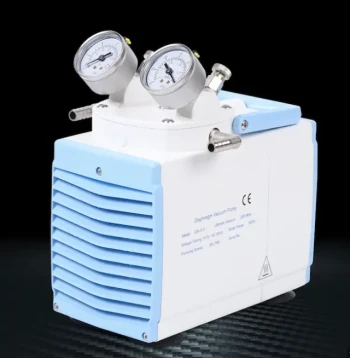
- Oil Free Diaphragm Vacuum Pump for Laboratory and Industrial Use
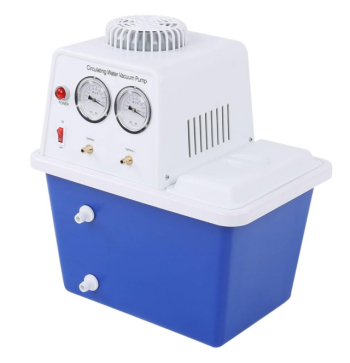
- Circulating Water Vacuum Pump for Laboratory and Industrial Use
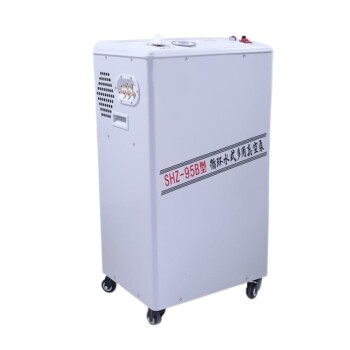
- Laboratory Vertical Water Circulating Vacuum Pump for Lab Use
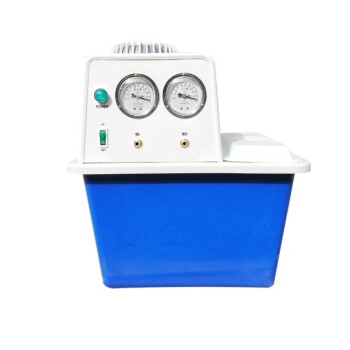
- Laboratory Benchtop Water Circulating Vacuum Pump for Lab Use
- Laboratory Rotary Vane Vacuum Pump for Lab Use
People Also Ask
- What are some typical applications for oil-free diaphragm vacuum pumps? Ensure Process Purity in Your Lab
- What is an oil-free diaphragm vacuum pump? The Ultimate Guide to Clean, Low-Maintenance Vacuum
- How does an oil-free diaphragm vacuum pump work? A Guide to Clean, Contamination-Free Vacuum
- What are the advantages of using oil-free diaphragm vacuum pumps? Achieve Clean, Low-Maintenance Vacuum
- What factors should be considered when selecting an oil-free diaphragm vacuum pump? A Guide to Optimal Performance & Longevity