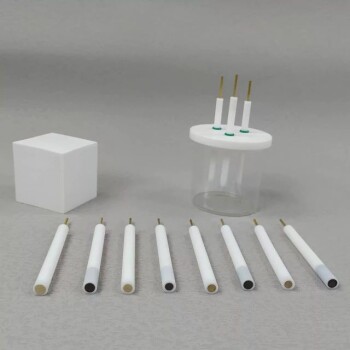
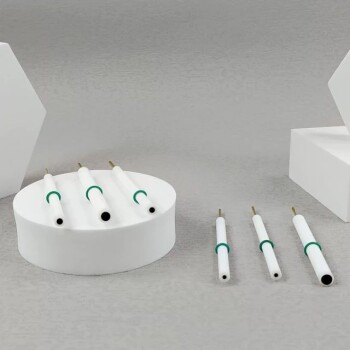
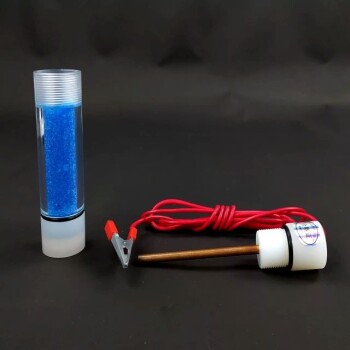
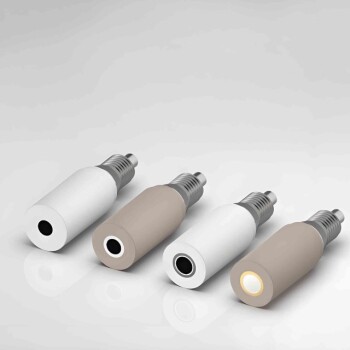
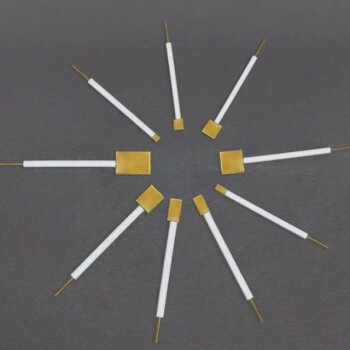
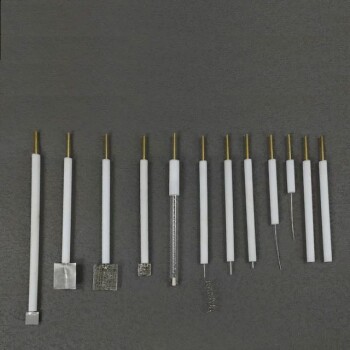
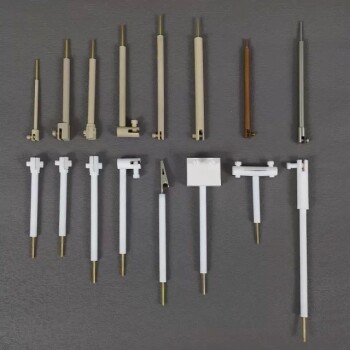
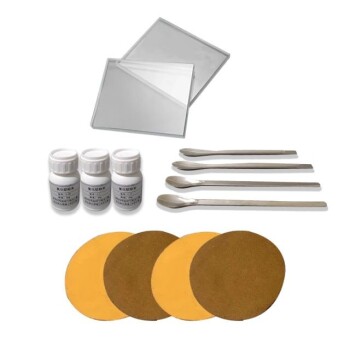
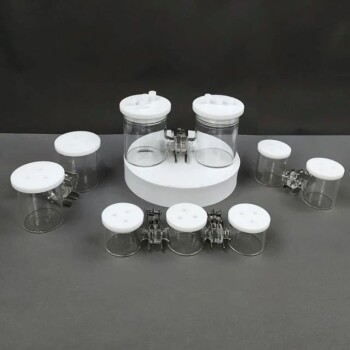
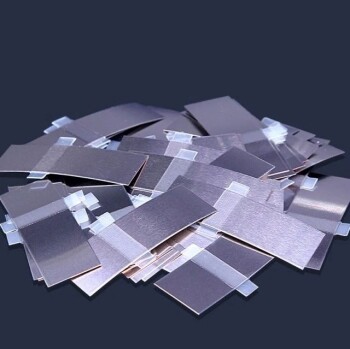
Post-experiment electrode handling requires a strict protocol of disassembly, cleaning, and storage. Once the power is cut, you must carefully remove the electrodes, strip them of any reaction byproducts through thorough cleaning, and place them in appropriate storage to prevent degradation. For electrodes prone to oxidation, this may include immersion in specific protective solutions.
The reliability of your next experiment depends entirely on how you treat your equipment today. Disconnecting the cell while powered can cause arcing, while inadequate cleaning leads to corrosion and cross-contamination of future samples.
Initial Safety and Disassembly
Before handling the electrodes directly, you must ensure the safety of the system and the integrity of the cell.
Power Down Sequence
Always turn off the power supply before disconnecting the electrolytic cell. Attempting to disconnect the cell while the power is active creates a significant risk of electric arcs or other safety incidents.
Thermal Management
If your experiment involved a constant temperature water bath, turn off the bath and carefully remove the cell only after the power is cut. Do not remove the cell while the heating or cooling systems are still active to prevent thermal shock or accidents.
Fluid Evacuation
Drain the electrolyte and reaction products immediately. Waste liquid must be treated according to environmental regulations, while products intended for analysis should be separated and stored.
Cleaning and Maintenance Protocol
Once the cell is safe to open, focus on removing chemical residues that could alter electrode surface properties.
Electrode Removal and Cleaning
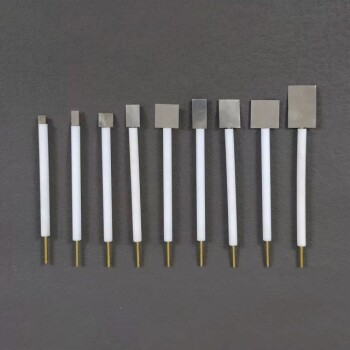
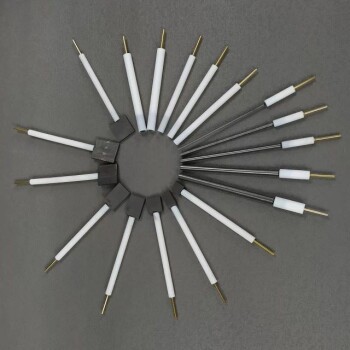
Carefully disassemble the cell to remove the electrodes. Clean them thoroughly using deionized water or a suitable solvent to eliminate any residual electrolyte or impurities attached to the surface.
Cell Body Sanitation
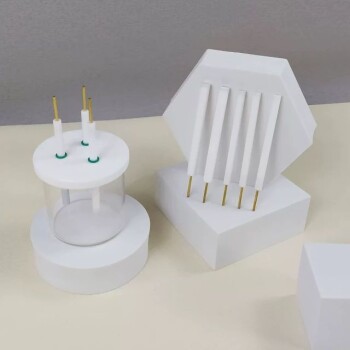
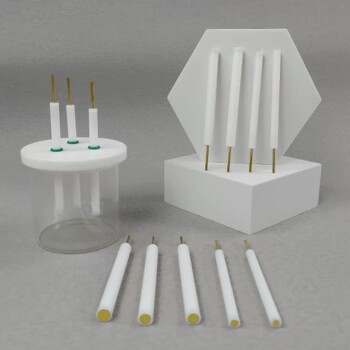
While the electrodes are the priority, the PTFE cell body must also be rinsed repeatedly with distilled water. This prevents residual chemicals from corroding the cell body or re-contaminating the electrodes during the next assembly.
Drying Procedures
After washing, it is critical to dry the components completely. Use a stream of nitrogen or air to dry the cell and electrodes, ensuring no moisture remains to cause oxidation or dilution in future runs.
Storage and Preservation
Proper storage is the final barrier against environmental damage between experiments.
Standard Storage
Store the cleaned and dried electrodes in a dedicated, clean environment. This prevents physical damage and dust accumulation.
Specialized Protection
For electrodes that are susceptible to oxidation or corrosion (such as certain metals), simple air storage is insufficient. These should be protected by measures such as immersion in a protective solution to maintain their chemical stability.
Common Pitfalls to Avoid
Even with a cleaning protocol, certain oversights can degrade your equipment over time.
Ignoring Connection Points
Do not neglect the electrode clamps and fixtures. Wipe these with deionized water or alcohol to remove grease or electrolyte, as dirty contacts will interfere with electrical conductivity in future experiments.
Delayed Cleaning
Leaving the electrolyte in the cell after the experiment concludes promotes corrosion. Immediate draining and rinsing are required to protect both the electrodes and the PTFE cell body.
Making the Right Choice for Your Goal
- If your primary focus is Equipment Longevity: Prioritize the immediate neutralization of corrosive electrolytes and use protective immersion storage for sensitive electrode materials.
- If your primary focus is Data Accuracy: Focus heavily on the use of deionized water and nitrogen drying to ensure absolutely no cross-contamination occurs between experimental runs.
Treat every shutdown procedure as the preparation for your next successful experiment.
Summary Table:
| Post-Experiment Step | Action Required | Key Benefit |
|---|---|---|
| Power Down | Disconnect power before disassembly | Prevents electric arcs and safety risks |
| Cleaning | Rinse with deionized water/solvents | Removes residues and prevents cross-contamination |
| Drying | Use nitrogen or air stream | Eliminates moisture-induced oxidation |
| Storage | Dedicated clean environment or protective solution | Maintains electrode stability and physical integrity |
| Maintenance | Clean clamps and cell body | Ensures consistent electrical conductivity |
Maximize Your Research Precision with KINTEK
Maintaining the integrity of your electrochemical experiments starts with high-quality equipment and proper maintenance. KINTEK specializes in premium laboratory solutions, including high-performance all-PTFE electrolytic cells, electrodes, and comprehensive battery research tools.
Whether you are scaling up with our high-temperature reactors or refining measurements with our precision electrodes, our team of experts is dedicated to providing the durability and accuracy your lab demands. Don't let equipment degradation compromise your results.
Ready to upgrade your laboratory setup? Contact KINTEK today to discover our full range of consumables and specialized electrochemical equipment!
Related Products
- Reference Electrode Calomel Silver Chloride Mercury Sulfate for Laboratory Use
- Metal Disc Electrode Electrochemical Electrode
- Platinum Sheet Electrode for Battery Lab Applications
- Glassy Carbon Electrochemical Electrode
- Copper Sulfate Reference Electrode for Laboratory Use
People Also Ask
- What is the function of a reference electrode? Master Precision in Three-Electrode Reactor Reconstruction
- What is the recommended maintenance for the filling solution of a reference electrode? A Guide to Stable & Accurate Readings
- Which electrode is used as a ground reference? Master the Key to Accurate Electrochemical Measurements
- What is the reference electrode in potentiometry? The Key to Stable & Accurate Measurements
- Which electrode is used as a reference? A Guide to Accurate Electrochemical Measurements