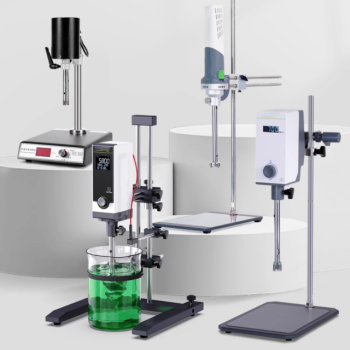
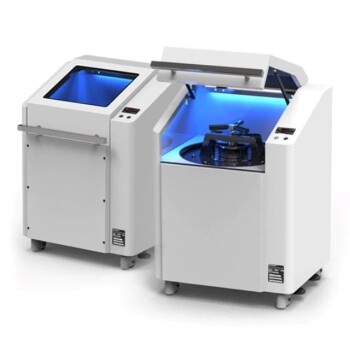
Laboratory shakers act as a critical driver of efficiency in anaerobic digestion by physically agitating the fermentation system to maintain a dynamic reaction environment. By inducing periodic physical disturbance, these devices ensure consistent interactions between reactants, preventing the stratification and chemical imbalances that often stall static reactions.
By overcoming the physical limitations of static digestion, laboratory shakers optimize mass transfer and prevent process failures like acidification. This leads directly to more thorough substrate utilization and significantly higher biogas yields.
Mechanisms of Enhanced Efficiency
Improving Mass Transfer
The primary function of a laboratory shaker is to enhance mass transfer. In a static environment, nutrients and bacteria struggle to move across the fermentation medium.
Agitation reduces the distance these components must travel. This ensures that the reaction is not limited by how slowly molecules can diffuse through the liquid.
Facilitating Critical Interactions
Efficiency relies on thorough contact between three distinct groups: the food waste substrate, the microorganisms, and additives.
Shakers force these components together. This is particularly important for additives like trace elements or zero-valent iron, ensuring they are distributed evenly to catalyze the reaction rather than remaining isolated.
Preventing Process Failures
Eliminating Sedimentation
Without agitation, solids in the food waste tend to settle at the bottom of the vessel.
This sedimentation creates layers where material is inaccessible to microorganisms. Shaking keeps solids in suspension, maximizing the surface area available for digestion.
Avoiding Localized Acidification
Anaerobic digestion can produce acids that, if allowed to concentrate in one spot, will kill the necessary bacteria.
Shakers homogenize the mixture, distributing these acids throughout the vessel. This prevents localized acidification, maintaining a healthy pH balance across the entire system.
Understanding the Trade-offs
Optimization vs. Energy Input
While agitation is beneficial, the reference highlights the specific value of periodic agitating.
Continuous high-speed shaking may not always be necessary and consumes more energy. The goal is to provide enough disturbance to maintain suspension and contact without over-processing the system.
Making the Right Choice for Your Goal
To maximize the efficiency of your anaerobic digestion setup, consider your primary objectives:
- If your primary focus is increasing biogas yield: Ensure your agitation schedule is frequent enough to prevent any settling of the substrate, ensuring 100% of the food waste is accessible to the microbes.
- If your primary focus is process stability: Use the shaker to prioritize homogenization, preventing the formation of "sour" acidic spots that could crash the bacterial colony.
Effective agitation turns a passive decomposition process into an active, high-yield biological engine.
Summary Table:
| Mechanism | Impact on Efficiency | Key Benefit |
|---|---|---|
| Mass Transfer | Reduces diffusion distance for nutrients | Accelerates reaction kinetics |
| Contact Optimization | Ensures interaction between microbes & waste | Higher substrate utilization rate |
| Homogenization | Prevents localized acid accumulation | Maintains pH stability and colony health |
| Suspension | Eliminates solid sedimentation | Maximizes accessible surface area |
Maximize Your Biogas Research Efficiency with KINTEK
Don't let sedimentation or acidification stall your biological research. KINTEK specializes in high-performance laboratory solutions designed for precision and reliability. Whether you need advanced shakers and homogenizers to optimize anaerobic digestion or specialized high-temperature reactors and autoclaves for material processing, we have the expertise to elevate your lab's output.
From incubation and cooling solutions to essential PTFE and ceramic consumables, KINTEK provides everything needed for stable, high-yield experiments.
Ready to optimize your reaction environment? Contact our laboratory equipment experts today to find the perfect agitation system for your research goals.
References
- Dongliang Hua, Yan Li. Effects of different acidification-resisting strategies on anaerobic digestion of kitchen waste: Methanogenic properties and microbial community shift. DOI: 10.15376/biores.19.2.2480-2502
This article is also based on technical information from Kintek Solution Knowledge Base .
Related Products
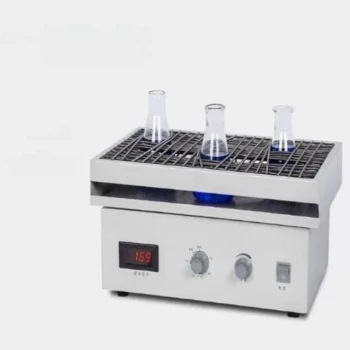
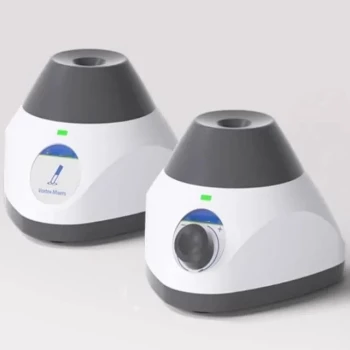
- Laboratory Multifunctional Small Speed-Adjustable Horizontal Mechanical Shaker for Lab
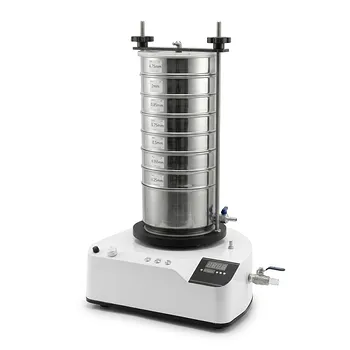
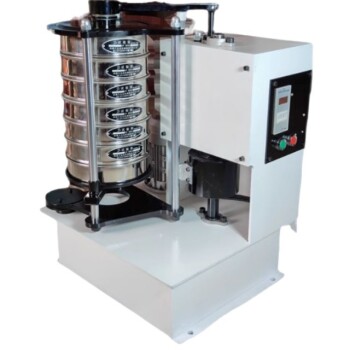
- Laboratory Vibratory Sieve Shaker Machine for Dry and Wet Three-Dimensional Sieving
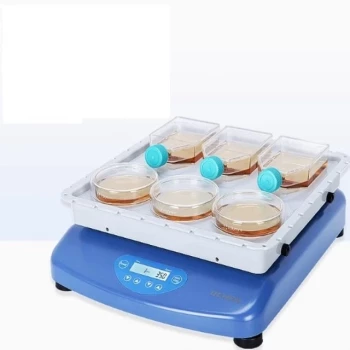
- Laboratory Oscillating Orbital Shaker
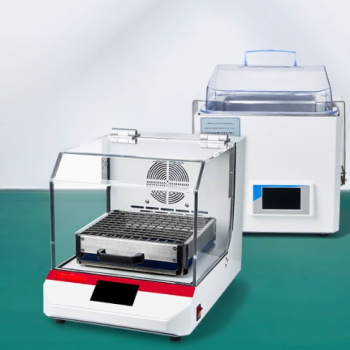
- Shaking Incubators for Diverse Laboratory Applications
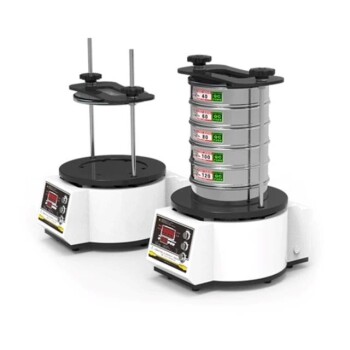
- Laboratory Vibratory Sieve Shaker Machine Slap Vibrating Sieve
People Also Ask
- How do static culture and shaking culture affect the morphology of BC? Optimize Lab Shaker Results
- What is the role of a laboratory shaker in silane sol preparation? Master Uniform Aramid Fabric Coating
- Why is a laboratory shaker required for continuous 24-hour catalyst treatment? Achieve Deep Uniform Impregnation
- What is the function of a laboratory shaker in evaluating Fe-C@C nanoparticles? Optimize Methylene Blue Adsorption
- How do laboratory shakers or stirrers influence the efficiency of hydrogen production during dark fermentation?