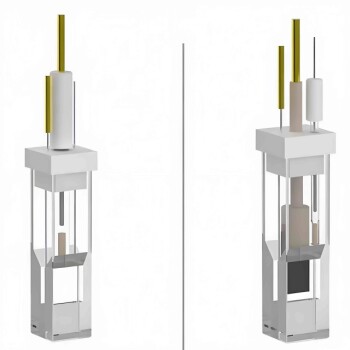
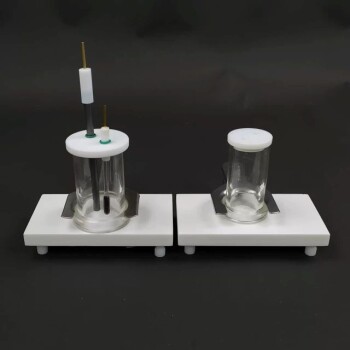
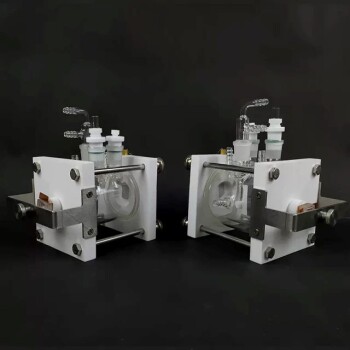
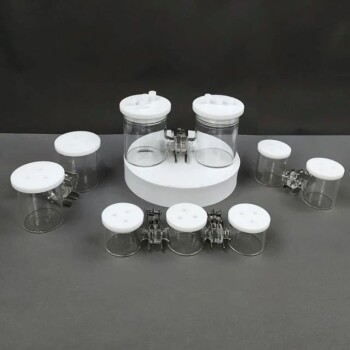
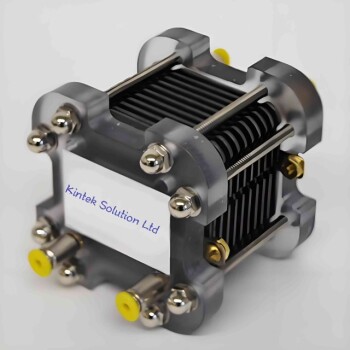
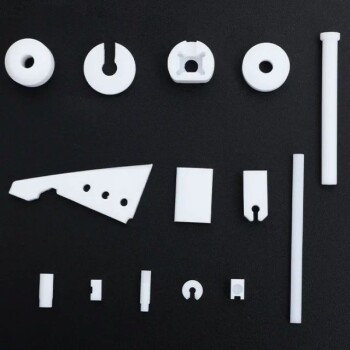
The defining characteristics of an all-PTFE electrolytic cell are its exceptional chemical inertness, superior electrical insulation, and robust thermal stability. These cells are specifically engineered to maintain structural integrity and experimental accuracy when exposed to strong acids, strong bases, and aggressive oxidizing agents that would degrade standard materials.
Core Takeaway The true value of an all-PTFE cell is isolation; by chemically disengaging from the electrolyte and electrically isolating the electrodes, it ensures that your data reflects the reaction you are studying, rather than the interference of the container holding it.
Chemical Integrity and Durability
Unmatched Corrosion Resistance
The primary feature of this cell is its ability to withstand the harshest chemical environments. As noted in standard engineering data, PTFE resists erosion from strong acids, strong alkalis, and strong oxidants.
Chemical Inertness
Beyond resisting damage, the material exhibits high chemical stability. It does not readily react with the electrolyte or organic solvents.
Ensuring Experimental Accuracy
This inertness is critical for data quality. Because the vessel does not leach contaminants or participate in the reaction, it ensures the accuracy and repeatability of the electrolysis process.
Non-Stick Surface Properties
PTFE possesses an extremely low coefficient of friction and inherent non-stick characteristics. This prevents reaction byproducts from adhering to the cell walls, simplifying cleaning and reducing cross-contamination risks.
Electrical Performance
Superior Electrical Insulation
An all-PTFE cell acts as a top-level insulator. This property is vital for preventing short circuits between electrodes, which is a common failure point in conductive metal or compromised glass vessels.
High-Frequency Compatibility
Due to its highly symmetric macromolecular structure, PTFE maintains a low dielectric constant (approximately 2.0). This makes the cell suitable for high-frequency electrochemical applications where capacitance and dissipation must be minimized.
Non-Polar Material Structure
The material is non-polar and does not absorb water. This ensures that its insulating properties remain consistent even during long-term exposure to aqueous electrolytes.
Operational Versatility
Extreme Temperature Range
These cells are capable of operating in extreme thermal environments. They function stably across a wide range, typically cited from -180°C to +260°C.
Long-Term Stability
PTFE exhibits excellent anti-aging abilities. Even after thousands of hours of continuous use at high temperatures, its physical properties undergo very little change.
Understanding the Trade-offs
Lack of Transparency
Unlike glass or quartz cells, PTFE is opaque. You cannot visually monitor electrode alignment, bubble formation, or color changes within the electrolyte during the experiment.
Mechanical "Creep"
While chemically strong, PTFE is mechanically softer than glass or metal. It can be subject to "cold flow" or deformation under high pressure, which may affect seal integrity over very long periods if over-tightened.
Making the Right Choice for Your Goal
- If your primary focus is aggressive chemistry: Choose an all-PTFE cell for its ability to handle strong acids (like HF) or bases that would etch glass.
- If your primary focus is trace analysis: Rely on PTFE to eliminate the risk of ions leaching from the container wall into your solution.
- If your primary focus is high-frequency impedance: Leverage the low dielectric constant of PTFE to minimize background noise and signal loss.
An all-PTFE cell is the gold standard for electrochemical environments where material purity and chemical resistance are non-negotiable.
Summary Table:
| Feature | Performance & Benefit |
|---|---|
| Chemical Resistance | Withstands strong acids (e.g., HF), bases, and aggressive oxidants |
| Electrical Insulation | Superior isolation preventing short circuits; low dielectric constant |
| Temperature Range | Operates stably from -180°C up to +260°C |
| Purity & Maintenance | Non-stick surface prevents contamination; easy to clean |
| Data Accuracy | Chemical inertness ensures results reflect the reaction, not the vessel |
Elevate Your Electrochemical Research with KINTEK
Don't let vessel contamination or corrosion compromise your experimental data. KINTEK provides high-performance all-PTFE electrolytic cells and specialized electrodes designed for the most demanding laboratory environments.
Whether you are performing trace analysis, high-frequency impedance spectroscopy, or working with aggressive electrolytes, our comprehensive range of laboratory equipment—from high-temperature furnaces to precision hydraulic presses—is engineered for reliability and precision.
Ready to optimize your lab setup? Contact KINTEK today to find the perfect solution for your research!
Related Products
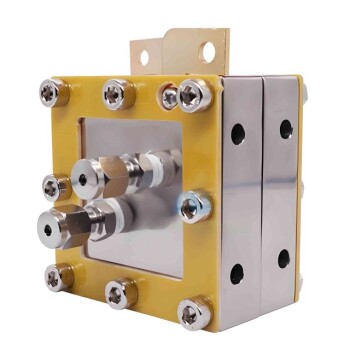
- PTFE Electrolytic Cell Electrochemical Cell Corrosion-Resistant Sealed and Non-Sealed
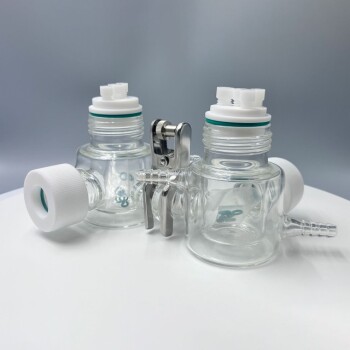
- Double Layer Five-Port Water Bath Electrolytic Electrochemical Cell
- Electrolytic Electrochemical Cell with Five-Port
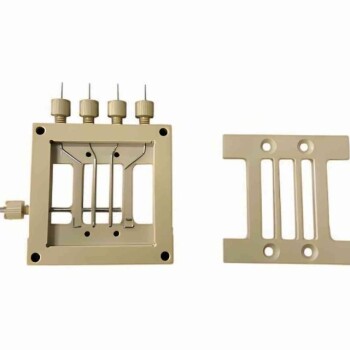
- Thin-Layer Spectral Electrolysis Electrochemical Cell
- Optical Water Bath Electrolytic Electrochemical Cell
People Also Ask
- What is the necessity of selecting a PTFE electrolytic cell? Ensure Precise Graphene Corrosion Testing Accuracy
- What is the proper method for cleaning the surface of an all-PTFE electrolytic cell? Ensure Accurate Results with a Pristine Surface
- How should an all-PTFE electrolytic cell be stored after use? Expert Maintenance Tips for Long-Lasting Performance
- What is the proper cleaning method for an all-PTFE electrolytic cell? Essential Tips for Surface Integrity
- What are the standard opening specifications for all-PTFE electrolytic cells? A Guide to Sealed vs. Non-Sealed Ports