The primary technical advantage of Polymer Electrolyte Membrane (PEM) reactors is the elimination of liquid electrolyte salts, creating a highly stable environment for gaseous biomass conversion. By employing Membrane Electrode Assemblies (MEA), these reactors prevent the physical degradation of catalysts and significantly reduce the complexity of downstream processing.
PEM reactors solve the structural and separation challenges inherent in traditional electrochemical setups by replacing liquid electrolytes with solid membranes. This prevents catalyst erosion while ensuring a cleaner, more efficient separation of products.
Mechanisms of Enhanced Efficiency
The shift from liquid electrolytes to PEM technology introduces specific architectural changes that benefit volatile substrate reactions.
Elimination of Liquid Electrolytes
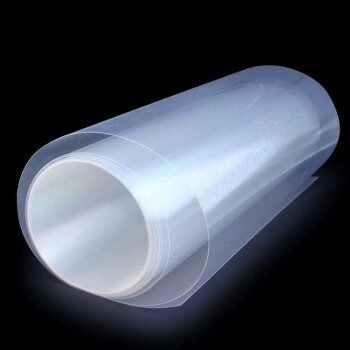
Standard electrochemical systems often require liquid salts to facilitate ion transport. PEM reactors replace this requirement entirely by using solid Membrane Electrode Assemblies (MEA).
This allows for a "pure" reaction system. The absence of liquid salts removes a major source of contamination and complexity within the reactor chamber.
Catalyst Preservation and Stability
A critical failure point in traditional reactors is the physical degradation of the electrode surface. Liquid electrolytes can cause the erosion and eventual peeling of sensitive platinum catalysts.
The PEM configuration stabilizes the catalyst layer. By removing the liquid electrolyte interface, the system prevents this erosion, extending the operational lifespan of the platinum components.
Simplified Product Separation
Processing gaseous or volatile biomass often leads to difficulties in separating the final product from a liquid electrolyte mixture.
In a PEM setup, the electrolyte is solid. This means the gaseous products do not need to be extracted from a salt solution, resulting in a streamlined and more efficient separation process.
Understanding the Operational Trade-offs
While PEM reactors offer distinct advantages, the configuration introduces specific material dependencies that must be managed.
Reliance on Specific Materials
The efficiency of this system is strictly tied to the Membrane Electrode Assembly (MEA) and the use of platinum catalysts.
While this configuration prevents erosion, it enforces a dependency on these specific high-performance materials. The process is less flexible regarding catalyst choice compared to systems that might tolerate less noble metals in a liquid bath.
Optimizing Electrochemical Biomass Conversion
To determine if a PEM reactor is the right fit for your specific biomass application, consider your processing priorities.
- If your primary focus is catalyst longevity: Implement PEM reactors to specifically mitigate the erosion and peeling of expensive platinum catalysts.
- If your primary focus is process purity: Leverage the solid electrolyte configuration to eliminate liquid salts, simplifying the separation of gaseous products.
By removing liquid electrolytes, you achieve a cleaner reaction specifically optimized for volatile substrates.
Summary Table:
| Feature | Traditional Electrochemical Reactors | PEM Reactors (MEA Based) |
|---|---|---|
| Electrolyte State | Liquid salts (aqueous/organic) | Solid Membrane Electrode Assembly |
| Catalyst Stability | Prone to erosion and peeling | High stability; interface-protected |
| Downstream Processing | Complex salt-product separation | Simplified; no liquid salt contamination |
| Substrate Suitability | General liquid substrates | Optimized for gaseous/volatile biomass |
| Material Requirement | Flexible catalyst options | High-performance Platinum/MEA focused |
Maximize Your Biomass Conversion Efficiency with KINTEK
Transitioning to Polymer Electrolyte Membrane (PEM) reactors is a strategic move to ensure catalyst longevity and process purity. At KINTEK, we provide the precision-engineered electrolytic cells and electrodes necessary to eliminate liquid electrolyte complications and streamline your gaseous substrate processing.
Whether you are developing advanced biofuels or researching sustainable chemical synthesis, our comprehensive range of laboratory equipment and consumables—from high-performance platinum-coated components to high-temperature reactors—is designed to meet the rigorous demands of modern electrochemistry.
Ready to optimize your electrochemical setup? Contact our technical experts today to discover how KINTEK’s specialized solutions can enhance your research outcomes and operational durability.
References
- F. Joschka Holzhäuser, Regina Palkovits. (Non-)Kolbe electrolysis in biomass valorization – a discussion of potential applications. DOI: 10.1039/c9gc03264a
This article is also based on technical information from Kintek Solution Knowledge Base .
Related Products
- Proton Exchange Membrane for Batteries Lab Applications
- Microwave Plasma Chemical Vapor Deposition MPCVD Machine System Reactor for Lab and Diamond Growth
- Customizable PEM Electrolysis Cells for Diverse Research Applications
- FS Electrochemical Hydrogen Fuel Cells for Diverse Applications
- Visual High-Pressure Reactor for In-Situ Observation
People Also Ask
- What is the function of a proton exchange membrane in a PEC cell? Enhancing CO2 Reduction Safety and Efficiency
- What initial steps are required before using a new proton exchange membrane? Ensure Peak Performance and Longevity
- What should be done if a proton exchange membrane is found to be contaminated or damaged? Restore Performance or Replace for Safety
- How should a proton exchange membrane be installed? A Guide to Flawless Assembly for Peak Performance
- What contaminants should be avoided during the operation of a proton exchange membrane? Protect Your PEM from Heavy Metals & Organics