The primary necessity of a Teflon-lined high-pressure digestion tank is to establish a chemically inert barrier against the corrosive byproducts of sulfur-containing catalysts. When processing materials like sulfonated activated carbon under hydrothermal conditions, they release strong acidic substances that actively corrode standard stainless steel vessels. Using a Teflon liner protects the reactor's physical integrity and, more importantly, prevents dissolved metal ions from ruining the chemical purity of your hydrolysis output.
The core value of the Teflon lining is twofold: it acts as a shield to extend the service life of your equipment, and it serves as a contamination control measure to prevent metal ions from catalyzing unwanted secondary reactions in your product.
Preserving Equipment Integrity
The Corrosive Nature of Sulfur Catalysts
Under hydrothermal conditions, sulfur-containing catalysts are not chemically static. Materials such as sulfonated activated carbon decompose or release active components, generating a highly acidic environment.
The Failure of Standard Stainless Steel
While stainless steel is robust, it is not impervious to the strong acids generated in these reactions. Without a liner, the reactor walls are directly exposed to these corrosive agents.
The Role of the Teflon Barrier
A Teflon lining provides a superior acid-base protective barrier. It effectively isolates the metal vessel from the reaction mixture, preventing the corrosive pitting and structural weakening that would otherwise occur in a standard steel reactor.
Ensuring Chemical Purity
Preventing Metal Ion Leaching
The most insidious issue with unlined reactors is not just physical damage, but chemical contamination. As the acidic mixture corrodes the vessel, it leaches iron, nickel, and other metal ions into your solution.
The Hidden Catalytic Effect
These leached metal ions are not passive impurities. They can act as unintentional catalysts within your system.
Avoiding Secondary Degradation
The presence of foreign metal ions can trigger secondary degradation or dehydration reactions. This alters the reaction pathway, leading to impure hydrolysis outputs and compromising the validity of your results.
Common Pitfalls to Avoid
Overestimating Stainless Steel Resistance
A common mistake is assuming that high-grade stainless steel is sufficient for all hydrothermal processes. It is vital to recognize that sulfur-based acidity at high pressures requires specific polymer-based protection, not just a metal alloy.
Ignoring Trace Contamination
Researchers often focus on yield, but overlook trace metal contamination. If you observe unexpected dehydration products or lower purity, the cause is often the reactor wall itself participating in the chemistry.
Making the Right Choice for Your Goal
To ensure the success of your hydrothermal processing, consider your specific objectives:
- If your primary focus is Equipment Longevity: Use a Teflon lining to prevent the corrosive destruction of expensive high-pressure vessels by acidic byproducts.
- If your primary focus is Product Purity: Rely on the Teflon barrier to eliminate metal ion leaching, ensuring your reaction pathway is not altered by secondary catalytic effects from iron or nickel.
By isolating your chemistry from your hardware, you ensure that your results are a product of your design, not your equipment's degradation.
Summary Table:
| Feature | Standard Stainless Steel Reactor | Teflon-Lined Digestion Tank |
|---|---|---|
| Corrosion Resistance | Poor against strong acids/sulfur | Excellent (Chemically Inert) |
| Product Purity | Risk of metal ion leaching (Fe, Ni) | High purity; No leaching |
| Side Reactions | Metal ions may trigger secondary degradation | Controlled; No catalytic interference |
| Equipment Life | Shortened by pitting and acid damage | Long-lasting; Vessel is protected |
| Primary Use | General hydrothermal reactions | Acidic/Sulfur-based hydrothermal processing |
Secure Your Research Purity with KINTEK Solutions
Don't let equipment corrosion compromise your catalytic results. KINTEK specializes in high-performance laboratory solutions, providing premium high-temperature high-pressure reactors and autoclaves equipped with precision-engineered Teflon liners. Whether you are working with sulfonated catalysts or aggressive hydrothermal environments, our chemical-resistant hardware ensures equipment longevity and prevents unwanted secondary reactions from metal leaching.
From high-pressure reactors to specialized ceramics and crucibles, KINTEK offers the comprehensive tools your lab needs for success. Contact our technical experts today to find the perfect reactor for your application.
References
- Ayumu Onda. Selective Hydrolysis of Cellulose and Polysaccharides into Sugars by Catalytic Hydrothermal Method Using Sulfonated Activated-carbon. DOI: 10.1627/jpi.55.73
This article is also based on technical information from Kintek Solution Knowledge Base .
Related Products
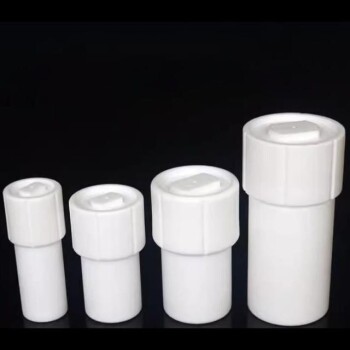
- Custom PTFE Teflon Parts Manufacturer for Microwave Digestion Tank
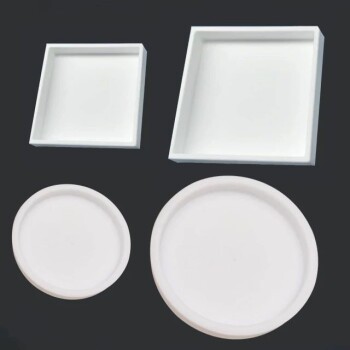
- Custom PTFE Teflon Parts Manufacturer for PTFE Containers
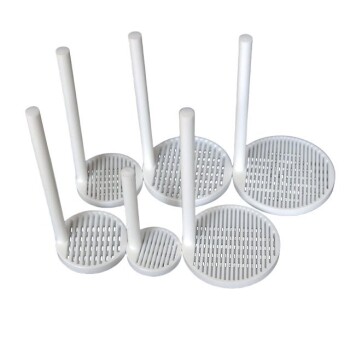
- Custom PTFE Teflon Parts Manufacturer for Cleaning Racks
- Custom PTFE Teflon Parts Manufacturer Corrosion Resistant Cleaning Rack Flower Basket
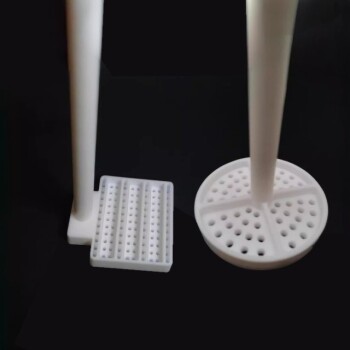
- Custom PTFE Teflon Parts Manufacturer for Centrifuge Tube Racks
People Also Ask
- Why are PTFE containers required for PCT leaching tests? Ensure Chemical Inertness and Analytical Precision
- Why use high-quality PTFE containers for CO2 reduction electrolytes? Eliminate silicon contamination and ensure data.
- Why is PTFE Mandatory for Hydrofluoric Acid (HF) Handling? Ensure Safety and Data Integrity in Corrosion Testing
- Why is a PTFE container required for acid leaching of silicon nanosheets? Ensure High Purity and Safety
- Why are polytetrafluoroethylene (PTFE) containers essential for assessing the corrosion resistance of glassified waste?