The primary objective of bubbling nitrogen (N2) gas into a plutonium nitrate solution is deoxygenation. By introducing nitrogen, you displace dissolved oxygen through a process known as bubble stripping. This step is critical in electrochemical testing because dissolved oxygen significantly interferes with the zirconium electrode, obscuring the true chemical behavior of the solution.
Dissolved oxygen acts as a cathodic depolarizer that interferes with accurate electrochemical readings. Bubbling nitrogen removes this variable, ensuring that open circuit potential measurements strictly reflect the corrosion dynamics between the zirconium electrode, plutonium ions, and the nitric acid solution.
The Mechanism of Interference
The Role of Dissolved Oxygen
In many liquid solutions, oxygen naturally dissolves from the atmosphere. While often benign, in electrochemical testing, this dissolved oxygen is chemically active. It tends to accumulate at the interface between the solution and the metal electrode.
Understanding Cathodic Depolarization
Dissolved oxygen functions as a cathodic depolarizer. This means it readily undergoes reduction reactions at the electrode surface. These reactions generate their own electrical current, which alters the electrochemical environment.
Distorting the Data
When oxygen reduction occurs, it shifts the electrical potential of the system. This creates "noise" that competes with the specific reactions you are trying to measure. Without removal, it is impossible to distinguish between the effects of oxygen and the effects of the target analytes.
The Nitrogen "Stripping" Process
How Bubble Stripping Works
Nitrogen is used because it is an inert gas that does not react with the plutonium nitrate or the electrode. By bubbling it through the solution, you physically displace the dissolved oxygen molecules. The nitrogen saturates the solution, forcing the oxygen out into the atmosphere.
Stabilizing Open Circuit Potential (OCP)
The primary metric protected by this process is the Open Circuit Potential (OCP). This measurement represents the voltage difference between the working electrode (zirconium) and the reference electrode when no external current flows.
Isolating the Variables
Deoxygenation ensures the OCP reading is stable and accurate. It guarantees that the measured potential is driven solely by the interaction of plutonium ions and nitric acid with the zirconium electrode.
The Critical Trade-off: Complexity vs. Integrity
The Cost of Procedural Rigor
Adding a nitrogen bubbling stage increases the complexity of the experimental setup. It requires a regulated gas supply, specific plumbing, and additional time for the "stripping" process to complete before testing can begin.
The Risk of Neglect
However, skipping this step renders the data scientifically ambiguous. If oxygen remains, the resulting corrosion data will effectively be a composite of oxygen reduction and plutonium interaction. This makes it impossible to isolate the specific corrosive impact of the plutonium ions, rendering the study of the material's durability inconclusive.
Making the Right Choice for Your Goal
To ensure your electrochemical data is valid and reproducible, apply the following principles:
- If your primary focus is Isolating Corrosion Mechanisms: You must perform thorough nitrogen bubbling to eliminate oxygen reduction reactions that mask the behavior of plutonium ions.
- If your primary focus is Accurate Potential Measurement: Monitor the open circuit potential during bubbling; a stable reading indicates that the oxygen interference has been successfully removed.
By controlling the atmospheric variables within your solution, you transform noisy data into a definitive understanding of material performance.
Summary Table:
| Feature | Detail |
|---|---|
| Primary Goal | Deoxygenation (removal of dissolved oxygen) |
| Process Method | Bubble stripping with inert Nitrogen (N2) gas |
| Key Interference | Oxygen acts as a cathodic depolarizer |
| Metric Protected | Open Circuit Potential (OCP) stability |
| Electrode Impact | Prevents "noise" on Zirconium electrode surfaces |
| Result | Isolates plutonium ion and nitric acid corrosion dynamics |
Elevate Your Electrochemical Research Precision
In complex chemical environments like plutonium nitrate testing, the integrity of your data depends on high-quality equipment. KINTEK provides the specialized laboratory solutions you need to maintain rigorous experimental standards.
Whether you require electrolytic cells and electrodes, precision high-temperature high-pressure reactors, or advanced corrosion testing consumables, our team is ready to support your most demanding applications. Don't let atmospheric interference compromise your results—leverage our expertise in laboratory systems to achieve definitive material performance data.
Contact KINTEK Today to Optimize Your Lab Setup
References
- Masaumi Nakahara, Hitoshi Abe. Electrochemical properties of zirconium in highly concentrated plutonium nitrate solution. DOI: 10.15669/pnst.5.52
This article is also based on technical information from Kintek Solution Knowledge Base .
Related Products
- PTFE Electrolytic Cell Electrochemical Cell Corrosion-Resistant Sealed and Non-Sealed
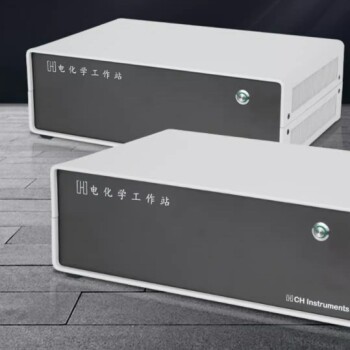
- Lab Electrochemical Workstation Potentiostat for Laboratory Use
- Customizable PEM Electrolysis Cells for Diverse Research Applications
- Platinum Auxiliary Electrode for Laboratory Use
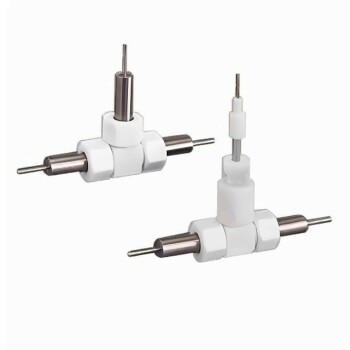
- Customizable Swagelok Type Test Cells for Advanced Battery Research Electrochemical Analysis
People Also Ask
- What is the necessity of selecting a PTFE electrolytic cell? Ensure Precise Graphene Corrosion Testing Accuracy
- What is the proper method for cleaning the surface of an all-PTFE electrolytic cell? Ensure Accurate Results with a Pristine Surface
- How should an all-PTFE electrolytic cell be stored after use? Expert Maintenance Tips for Long-Lasting Performance
- What is the proper cleaning method for an all-PTFE electrolytic cell? Essential Tips for Surface Integrity
- What are the standard opening specifications for all-PTFE electrolytic cells? A Guide to Sealed vs. Non-Sealed Ports