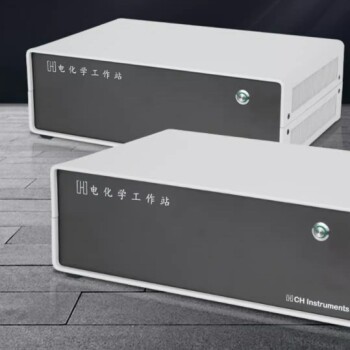
A high-precision electrochemical workstation acts as the central command unit for the leaching process of Sm2(Co,Fe,Cu,Zr)17 magnets. It provides the rigorous control over current densities and potentials required to selectively dissolve specific magnet components rather than dissolving the entire alloy indiscriminately.
Core Takeaway This device transforms leaching from a blunt chemical process into a precision operation. By using Linear Sweep Voltammetry (LSV) to identify specific oxidation potentials and maintaining strict charge balance, it enables the selective recovery of valuable materials from complex magnet structures.
The Core Function: Phase Identification
Deploying Linear Sweep Voltammetry (LSV)
Sm2(Co,Fe,Cu,Zr)17 magnets are multiphase materials, meaning they are composed of different crystal structures.
To separate these effectively, you must know exactly when each phase begins to react. The workstation performs Linear Sweep Voltammetry (LSV) to map this behavior.
Pinpointing Oxidation Potentials
During an LSV scan, the workstation gradually increases the voltage applied to the magnet.
It monitors the response to identify the distinct oxidation potentials of the different crystal phases. This data reveals the precise voltage "fingerprint" required to dissolve one phase while leaving others intact.
Enabling Selective Recovery
Constant Current Control
Once the target parameters are identified via LSV, the workstation shifts roles to maintain stability during the actual leaching phase.
It applies a constant current throughout the continuous leaching process. This stability is critical for preventing fluctuations that could lead to impure recovery or stalled reactions.
Achieving Charge Balance
The ultimate goal of electrochemical leaching is often to dissolve the magnet at the anode while simultaneously collecting metal at the cathode.
The workstation ensures a precise charge balance between anodic oxidative leaching and cathodic metal deposition. This equilibrium is the mechanism that allows for the selective recovery of complex magnet components.
Understanding the Constraints
The Necessity of Calibration
While powerful, the workstation is only as effective as its calibration.
Because the process relies on identifying specific oxidation potentials, even minor inaccuracies in the workstation's readings can lead to overlapping dissolution phases. This results in impure separation and lower recovery rates.
Complexity of Operation
This is not a passive dissolution tank; it requires active management.
The operator must correctly interpret LSV data to set the constant current parameters. Misinterpretation of the initial scan results in an ineffective leaching process, regardless of the machine's precision.
Making the Right Choice for Your Goal
To maximize the utility of a high-precision electrochemical workstation in magnet recycling, align its functions with your immediate objectives:
- If your primary focus is Process Design: Prioritize the Linear Sweep Voltammetry (LSV) function to map the oxidation potentials and define the operational window for each crystal phase.
- If your primary focus is Material Recovery: Focus on the constant current control settings to maintain the charge balance necessary for high-purity metal deposition.
Precision control is the only pathway to turning complex magnet scrap into valuable, separated resources.
Summary Table:
| Feature | Function in Magnet Leaching | Impact on Recovery |
|---|---|---|
| Linear Sweep Voltammetry (LSV) | Maps oxidation potentials of distinct crystal phases | Identifies precise voltage fingerprints for separation |
| Constant Current Control | Maintains stability during continuous leaching | Prevents impurities and ensures consistent reaction rates |
| Charge Balance Management | Equilibriates anodic dissolution and cathodic deposition | Enables selective recovery of high-purity metals |
| Precision Monitoring | Tracks real-time electrochemical response | Minimizes phase overlap and material waste |
Maximize Your Material Recovery with KINTEK Precision
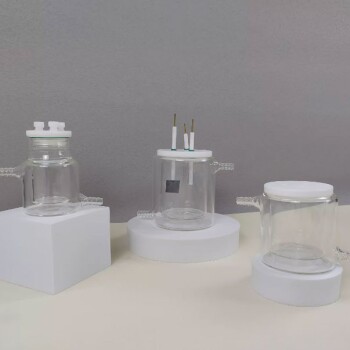
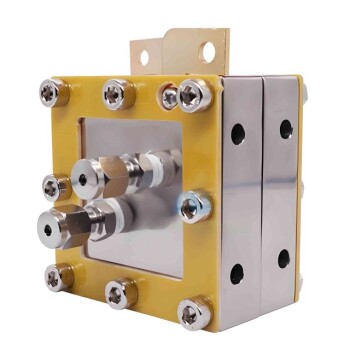
Turning complex magnet scrap into high-value resources requires more than just chemistry; it requires absolute control. KINTEK provides the advanced laboratory solutions necessary for sophisticated metallurgical research. From high-precision electrochemical workstations and electrolytic cells for selective leaching to crushing and milling systems for sample preparation, we equip your facility with the tools to master material separation.
Whether you are refining battery research, optimizing high-temperature reactions, or pioneering magnet recycling, KINTEK offers the comprehensive portfolio—including muffle furnaces, induction melting systems, and specialized electrodes—to ensure your process is efficient and reproducible.
Ready to elevate your lab’s precision? Contact our technical experts today to find the perfect equipment for your research goals.
References
- Xuan Xu, Kristina Žužek Rožman. Electrochemical routes for environmentally friendly recycling of rare-earth-based (Sm–Co) permanent magnets. DOI: 10.1007/s10800-022-01696-9
This article is also based on technical information from Kintek Solution Knowledge Base .
Related Products
- Lab Electrochemical Workstation Potentiostat for Laboratory Use
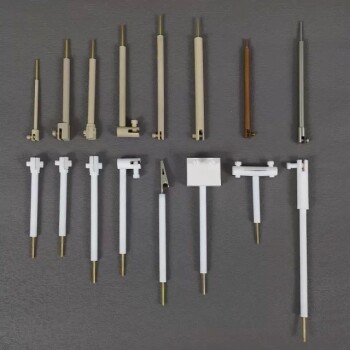
- Electrode Fixture for Electrochemical Experiments
- Glassy Carbon Electrochemical Electrode
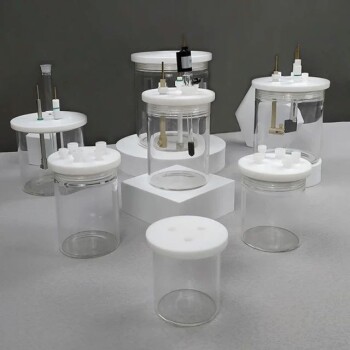
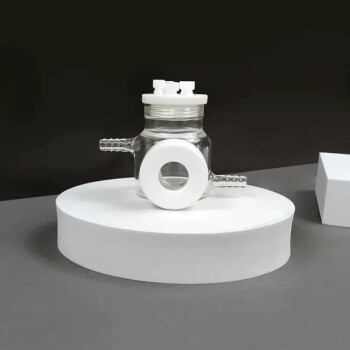
- Electrolytic Electrochemical Cell with Five-Port
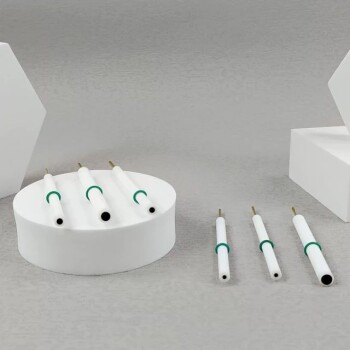
- Sample Support Body for Electrochemical Tests
People Also Ask
- How does an electrochemical workstation assist in assessing corrosion resistance? Quantify Laser-Remelted Steel Performance
- How does an electrochemical testing system evaluate mesoporous oxide electrodes? Precision Analysis for Battery Research
- What are the primary functions of an electrochemical workstation (Potentiostat)? Expert Titanium Alloy Corrosion Analysis
- What is the primary function of a high-precision electrochemical workstation? Optimize Your Reactor Performance
- What role do electrochemical workstations play in researching the corrosion resistance of carbon coatings? Expert Guide