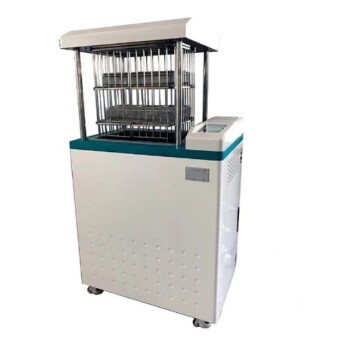
The primary function of the high-pressure stainless steel stirred autoclave is to bridge the physical gap between gaseous hydrogen and liquid reactants.
In the specific hydrogenation of furfural to cyclopentanone, this equipment creates a high-pressure environment (often reaching 80 bar) to force hydrogen gas into the aqueous phase. Simultaneously, integrated high-speed mechanical stirring generates intense turbulence to maximize contact between the hydrogen, the liquid furfural, and the solid catalyst.
Core Takeaway Success in this tandem reaction relies on overcoming mass transfer limitations in a three-phase system. The autoclave achieves this by using high pressure to increase hydrogen solubility and high-shear mixing (e.g., 1800 rpm) to ensure the catalyst is constantly supplied with reactants.
Optimizing the Reaction Environment
Overcoming Solubility Limits with Pressure
Hydrogen gas has naturally low solubility in aqueous solutions at standard pressure. To drive the reaction forward, you must force the gas into the liquid phase.
The stainless steel autoclave is engineered to withstand substantial pressures, such as 80 bar. This high pressure significantly increases the concentration of dissolved hydrogen available to the catalyst, a critical requirement for converting furfural effectively.
Enhancing Mass Transfer via Turbulence
Merely having dissolved hydrogen is not enough; the molecules must physically reach the solid catalyst surface along with the furfural.
High-speed mechanical stirring, operating at speeds around 1800 rpm, creates strong turbulence within the vessel. This agitation breaks up gas bubbles and reduces the thickness of the boundary layer around catalyst particles, ensuring rapid replenishment of reactants at the active sites.
Managing the Three-Phase Interface
This reaction is a classic heterogeneous catalytic process involving gas (hydrogen), liquid (furfural/water), and solid (catalyst) phases.
The autoclave serves as a "process intensifier" that unifies these phases. By maintaining uniform suspension of the solid catalyst and thorough dispersion of the gas, it prevents local "dead zones" where the reaction might stall or produce unwanted byproducts due to reactant starvation.
Understanding the Trade-offs
Mechanical Stress and Material Integrity
Operating at 80 bar and high agitation speeds places immense mechanical stress on the reactor walls and seals.
While stainless steel provides the necessary tensile strength and thermal conductivity for uniform heating, it must be inspected rigourously. The intense environment required for cyclopentanone production leaves no margin for material defects or seal failures.
Balancing Agitation and Catalyst Integrity
While higher stirring speeds generally improve reaction rates, there is a physical limit.
Excessive turbulence can potentially cause attrition (physical grinding) of the solid catalyst particles. You must find the optimal speed that maximizes mass transfer without mechanically degrading the catalyst that drives the reaction.
Making the Right Choice for Your Goal
When configuring your autoclave for furfural hydrogenation, consider your specific constraints:
- If your primary focus is Reaction Rate: Prioritize maximizing stirring speed (up to the limit of catalyst durability) to eliminate mass transfer bottlenecks.
- If your primary focus is Hydrogen Availability: Ensure your vessel is rated for pressures significantly above your target (e.g., >80 bar) to maintain a safety margin while maximizing gas solubility.
- If your primary focus is Thermal Control: Rely on the thermal conductivity of the stainless steel construction to maintain the uniform temperature required for selectivity.
Ultimately, the autoclave is not just a container; it is an active tool that manipulates physics to make difficult chemistry possible.
Summary Table:
| Feature | Function in Furfural Hydrogenation | Impact on Reaction Performance |
|---|---|---|
| High Pressure (80 bar) | Increases hydrogen solubility in the aqueous phase | Ensures sufficient hydrogen availability at catalyst sites |
| High-Speed Stirring (1800 rpm) | Generates turbulence and breaks gas bubbles | Minimizes mass transfer resistance in three-phase systems |
| Stainless Steel Build | Provides structural integrity and thermal conductivity | Ensures safe high-pressure operation and uniform heating |
| Mechanical Agitation | Maintains uniform suspension of solid catalysts | Prevents 'dead zones' and ensures consistent product selectivity |
Scale Your Chemical Synthesis with KINTEK Precision
Maximize your reaction efficiency and safety with KINTEK’s high-temperature high-pressure reactors and autoclaves. Specifically engineered for demanding three-phase reactions like hydrogenation, our stainless steel autoclaves offer the robust mechanical integrity and high-shear mixing capabilities required to overcome mass transfer bottlenecks.
Why partner with KINTEK?
- Advanced Process Intensification: Our reactors support pressures exceeding 80 bar and high-speed agitation for optimal gas-liquid-solid contact.
- Comprehensive Lab Solutions: From crushing and milling systems for catalyst preparation to cooling solutions for post-reaction stabilization, we provide the full ecosystem for material research.
- Expertise Across Industries: We serve researchers in battery development, dental ceramics, and chemical engineering with premium consumables like PTFE products and crucibles.
Ready to optimize your lab's performance? Contact our technical experts today to find the perfect reactor configuration for your specific research goals.
References
- Christian A. M. R. van Slagmaat. The Cascade Transformation of Furfural to Cyclopentanone: A Critical Evaluation Concerning Feasible Process Development. DOI: 10.3390/chemengineering9040074
This article is also based on technical information from Kintek Solution Knowledge Base .
Related Products
- Stainless High Pressure Autoclave Reactor Laboratory Pressure Reactor
- Mini SS High Pressure Autoclave Reactor for Laboratory Use
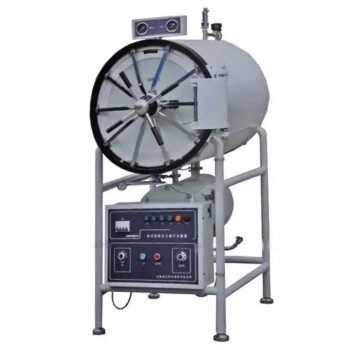
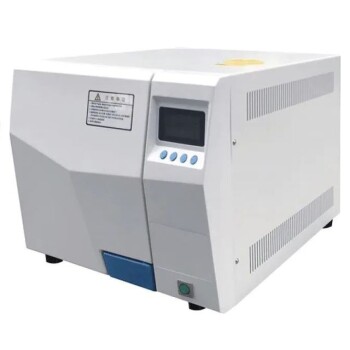
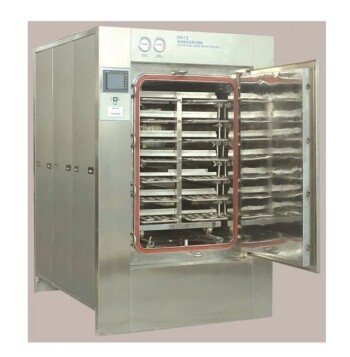
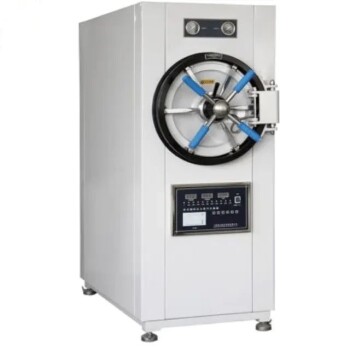
- Laboratory High Pressure Horizontal Autoclave Steam Sterilizer for Lab Use
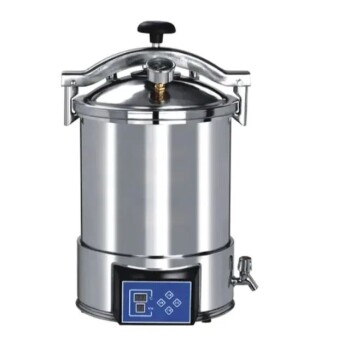
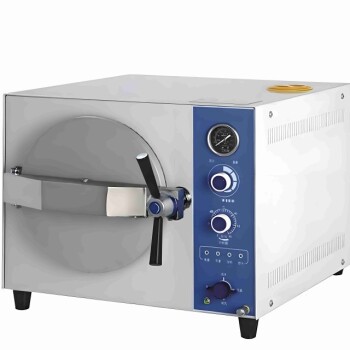
- Portable High Pressure Laboratory Autoclave Steam Sterilizer for Lab Use
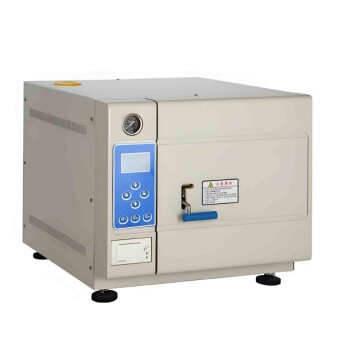
- Desktop Fast High Pressure Laboratory Autoclave Sterilizer 16L 24L for Lab Use
People Also Ask
- Why is a laboratory high-pressure reactor used in the hydrothermal synthesis of hydroxyapatite catalysts?
- Why is a laboratory high-pressure reactor necessary for synthesizing fly ash-based zeolite? Achieve Pure Crystallization
- What role does a laboratory high-pressure reactor play in the leaching process of spent cathode materials? Optimize Recovery
- What conditions do laboratory high-pressure reactors provide for HTC? Optimize Your Biochar Production Processes
- How are high-pressure reactors used to prepare metaphosphate electrocatalysts? Master In-Situ Precursor Growth