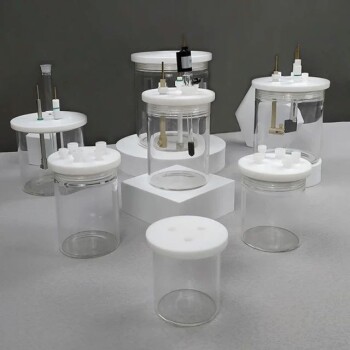
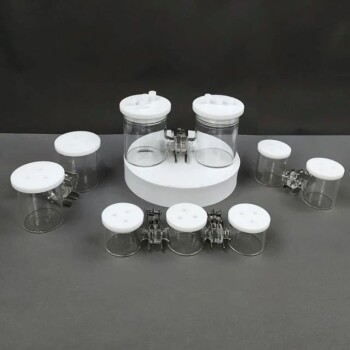
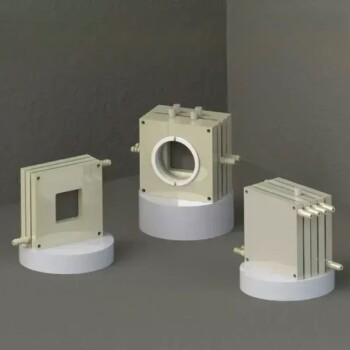
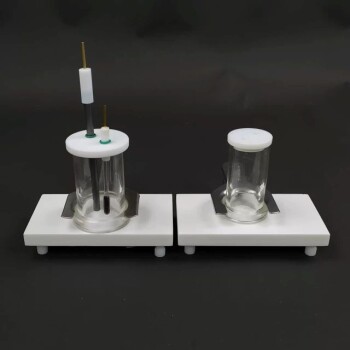
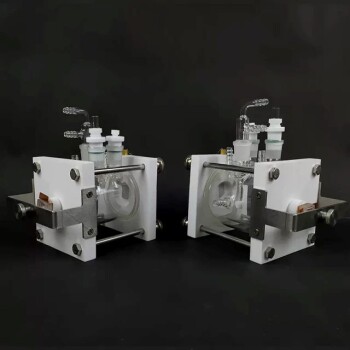
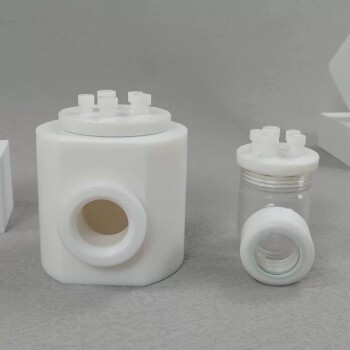
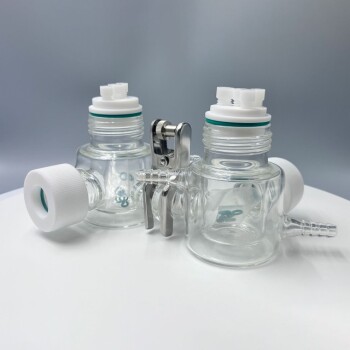
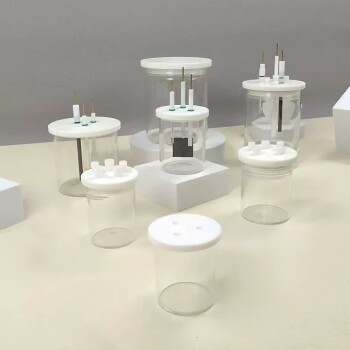
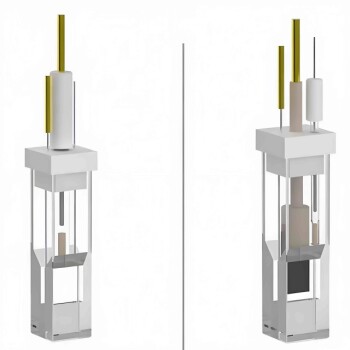
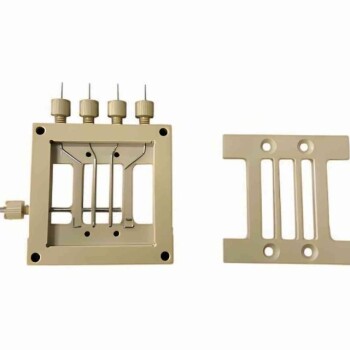
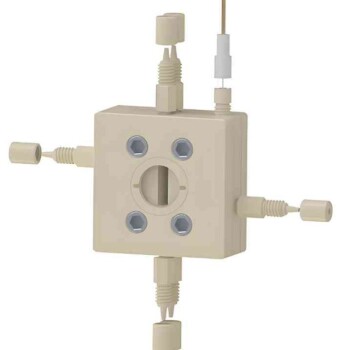
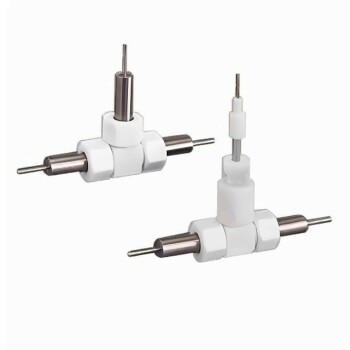
The electrolytic cell functions as the core reaction vessel. It is the hardware responsible for creating and maintaining the precise controlled environment necessary for the pulse electrodeposition process. By strictly regulating electrolyte temperatures and chemical conditions, the cell enables the successful formation of amorphous Fe-W alloy interlayers.
The electrolytic cell is not merely a container; it is an active control system that ensures uniform current density and environmental stability, both of which are critical for achieving the consistent thickness and specific amorphous structure required for high-performance W/Cu composites.
The Role of Environmental Control
Regulating the Reaction Core
In the context of preparing W/Cu composites, the electrolytic cell acts as the primary containment system. It isolates the chemical interaction to ensure no external variables interfere with the delicate deposition process.
Precision Temperature Management
The cell provides the mechanism to hold electrolyte temperatures at exact set points. This thermal stability is essential for maintaining predictable reaction kinetics throughout the plating duration.
Maintaining Chemical Balance
Beyond temperature, the cell preserves the specific chemical conditions of the electrolyte. This consistency is vital for preventing impurities or phase changes that could degrade the alloy quality.
Ensuring Deposition Quality
Optimizing Current Flow
When the cell is configured with the appropriate anode and cathode arrangement, it governs the flow of electricity. This setup ensures that current density is distributed uniformly across the entire surface of the substrate.
Consistent Coating Thickness
Uniform current density translates directly to physical consistency. The cell's geometry and configuration prevent fluctuations that would otherwise cause uneven coating thickness on the W/Cu composite.
Facilitating Amorphous Formation
The ultimate goal of this setup is to create a specific material phase. The controlled environment within the cell allows the Fe-W alloy to deposit with an amorphous structure, rather than a crystalline one.
Critical Operational Requirements
The Necessity of Configuration
The cell contributes to success only when the anodes and cathodes are correctly matched to the specific application. An improper hardware configuration will fail to produce the required current uniformity.
Sensitivity to Variables
The reliance on "precise" conditions indicates that the process is highly sensitive to the cell's performance. Any failure in the cell's ability to regulate temperature or current distribution will likely compromise the amorphous nature of the active coating.
Making the Right Choice for Your Goal
To maximize the effectiveness of the electrolytic cell in your process:
- If your primary focus is Structural Integrity: Ensure your anode and cathode geometry within the cell is optimized to promote absolute current uniformity, thereby avoiding weak points caused by uneven thickness.
- If your primary focus is Material Properties: Prioritize the cell's thermal regulation capabilities to strictly maintain the specific temperature window required for amorphous phase formation.
The electrolytic cell is the precision instrument that translates chemical potential into a robust, amorphous interface for advanced composite materials.
Summary Table:
| Feature | Function in Fe-W Preparation | Impact on W/Cu Composites |
|---|---|---|
| Temperature Control | Maintains precise thermal set points | Ensures predictable reaction kinetics |
| Current Regulation | Distributes uniform current density | Guarantees consistent coating thickness |
| Environmental Isolation | Preserves chemical balance | Prevents impurities and phase degradation |
| Hardware Configuration | Optimizes anode/cathode geometry | Enables formation of amorphous structures |
Elevate Your Material Research with KINTEK Precision Solutions
Unlock superior performance in W/Cu composite development with KINTEK’s high-precision electrolytic cells and advanced laboratory equipment. Whether you are focusing on the structural integrity of Fe-W alloy interlayers or perfecting amorphous phase formation, our specialized hardware provides the thermal stability and current uniformity your research demands.
From high-performance electrolytic cells and electrodes to high-temperature furnaces, hydraulic presses, and crushing systems, KINTEK delivers the comprehensive tools needed for advanced material science and battery research.
Ready to optimize your deposition quality? Contact our technical experts today to discover how KINTEK’s laboratory solutions can bring absolute precision to your next project.
Related Products
- PTFE Electrolytic Cell Electrochemical Cell Corrosion-Resistant Sealed and Non-Sealed
- Super Sealed Electrolytic Electrochemical Cell
- Electrolytic Electrochemical Cell with Five-Port
- H Type Electrolytic Cell Triple Electrochemical Cell
- Electrolytic Electrochemical Cell Gas Diffusion Liquid Flow Reaction Cell
People Also Ask
- What is the necessity of selecting a PTFE electrolytic cell? Ensure Precise Graphene Corrosion Testing Accuracy
- What is the proper method for cleaning the surface of an all-PTFE electrolytic cell? Ensure Accurate Results with a Pristine Surface
- How should an all-PTFE electrolytic cell be stored after use? Expert Maintenance Tips for Long-Lasting Performance
- What is the proper cleaning method for an all-PTFE electrolytic cell? Essential Tips for Surface Integrity
- What are the standard opening specifications for all-PTFE electrolytic cells? A Guide to Sealed vs. Non-Sealed Ports