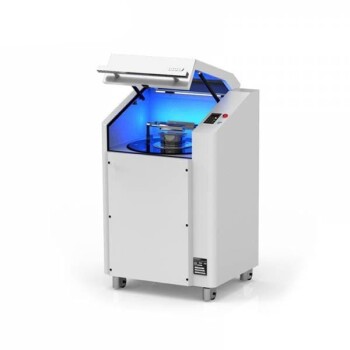
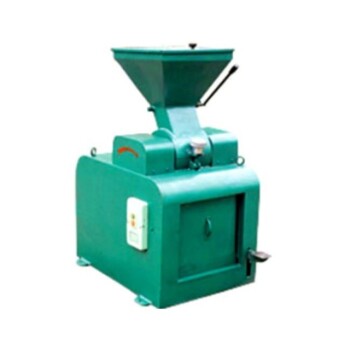
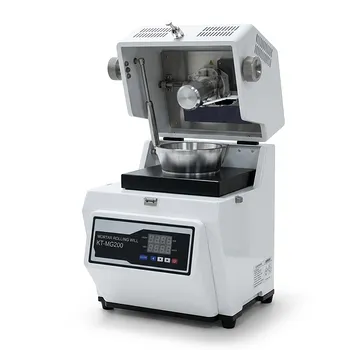
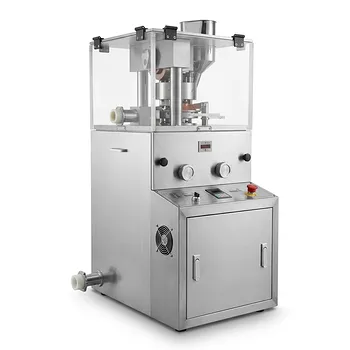
The primary role of a laboratory pulverizer is to utilize high-speed rotation to mechanically grind dried Silybum marianum leaves into a fine powder. This physical transformation is the critical first step in sample preparation, designed to drastically increase the surface area of the plant material prior to extraction.
By maximizing the surface area of the leaf material, the pulverizer enables the rapid and thorough release of bioactive components during boiling. This directly dictates the concentration of the final extract, which is essential for the high-quality synthesis of nanocatalysts.
The Mechanics of Preparation
High-Speed Mechanical Action
The laboratory pulverizer operates using high-speed rotation. This mechanism is necessary to break down the cellular structure of the dried leaves effectively.
Creating a Uniform Powder
The device transforms irregular, dried plant matter into a consistent, fine powder. This uniformity is vital for ensuring that subsequent chemical reactions are reproducible across different experimental trials.
Maximizing Surface Area
The most significant outcome of this process is the modification of the material's physical state to increase its total surface area. By reducing particle size, the pulverizer exposes more of the plant's internal structure to the extraction solvent.
Optimizing the Extraction Phase
Enhanced Solvent Interaction
When the fine powder is introduced to deionized water during the boiling process, the increased surface area facilitates immediate interaction with the solvent. This prevents "dry pockets" and ensures every particle is subjected to the extraction conditions.
Rapid Bioactive Release
The physical breakdown allows for a more efficient release of bioactive compounds. Key phytochemicals, such as alkaloids, flavonoids, and saponins, dissolve more readily into the water compared to extraction from coarse material.
Determining Solution Concentration
The thoroughness of this grinding process directly influences the concentration of the resulting aqueous extract. A finer powder yields a denser, more potent solution, which is a prerequisite for effective nanoparticle synthesis.
Influence on Nanoparticle Synthesis
The Role of the Extract
The high-concentration extract produced serves a dual purpose in the synthesis process. It acts as both a reducing agent (to reduce metal ions) and a stabilizing agent (to prevent agglomeration of the nanoparticles).
Impact on Catalyst Quality
The quality of the final nanocatalyst is inextricably linked to the initial pulverization. Without the high concentration of bioactives enabled by the pulverizer, the synthesis process may lack the necessary chemical agents to form stable, effective nanoparticles.
Understanding the Trade-offs
Production Scale Limitations
It is important to recognize that laboratory pulverizers are designed specifically for very small production runs. They are ideal for R&D sampling, quality control testing, and initial trials, but they are not intended for large-scale industrial manufacturing.
Potential for Variation
While the machine aims for uniformity, variations in grinding time or speed can alter the particle size distribution. Inconsistent powder consistency can lead to variability in extract concentration, potentially affecting the reproducibility of the nanoparticle synthesis.
Making the Right Choice for Your Goal
To ensure the success of your nanoparticle synthesis, consider how you utilize the pulverization stage:
- If your primary focus is extract potency: Prioritize grinding the leaves to the finest possible powder to maximize surface area and bioactive yield.
- If your primary focus is experimental reproducibility: Establish strict protocols for grinding time and speed to ensure every batch of Silybum marianum powder has identical physical properties.
The mechanical preparation of the leaf is not merely a physical step; it is a chemical enabler that defines the efficiency of your entire synthesis workflow.
Summary Table:
| Feature | Role in Sample Preparation | Impact on Synthesis |
|---|---|---|
| Mechanism | High-speed rotation & mechanical grinding | Breaks down cellular structures for extraction |
| Output | Fine, uniform leaf powder | Ensures consistent extract concentration |
| Surface Area | Drastic increase via particle size reduction | Accelerates solvent interaction and boiling efficiency |
| Bioactive Release | Rapid release of alkaloids and flavonoids | Provides high-potency reducing & stabilizing agents |
| Scale | Targeted R&D and QC testing | Ideal for small-scale experimental reproducibility |
Elevate Your Nanoparticle Research with KINTEK Precision
Consistency in sample preparation is the foundation of high-quality nanocatalyst synthesis. At KINTEK, we specialize in the engineering of robust crushing and milling systems and laboratory equipment designed to deliver the exact particle uniformity your research demands.
Whether you are processing Silybum marianum or other complex botanicals, our portfolio—including high-performance pulverizers, sieving equipment, and high-temperature furnaces—provides the reliability needed for breakthroughs in material science. From high-pressure reactors to specialized PTFE consumables, we empower laboratories to achieve superior reproducibility.
Ready to optimize your extraction workflow? Contact KINTEK today to discover how our expert-grade solutions can enhance your laboratory's efficiency and results.
References
- Hammad Ahmad Jan, Anton Lisý. Biodiesel Synthesis from Milk Thistle (Silybum marianum (L.) Gaertn.) Seed Oil using ZnO Nanoparticles as a Catalyst. DOI: 10.3390/en15207818
This article is also based on technical information from Kintek Solution Knowledge Base .
Related Products
- Vibrating Disc Mill Small Laboratory Grinding Machine
- Lab Sterile Slapping Type Homogenizer for Tissue Mashing and Dispersing
- Laboratory Jaw Crusher
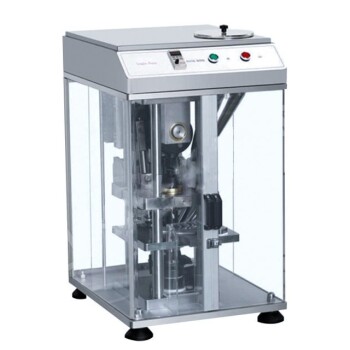
- Single Punch Electric Tablet Press Machine Laboratory Powder Tablet Punching TDP Tablet Press
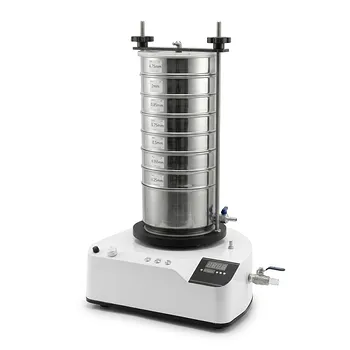
- Laboratory Vibratory Sieve Shaker Machine for Dry and Wet Three-Dimensional Sieving
People Also Ask
- What role do disc mills play in the wet or dry pretreatment of lignocellulosic waste? Scalable Biomass Solutions
- What is the function of a laboratory grinding mill? Achieve Precise Sample Preparation for Accurate Results
- What is the function of an industrial vibratory mill? Optimize Fe-Cr-Al Alloy Powder Production
- What laboratory apparatus is used for grinding? Match the Right Mill to Your Sample Material
- Why use stainless steel jars and balls for solid-state battery slurries? Maximize Dispersion and Conductivity