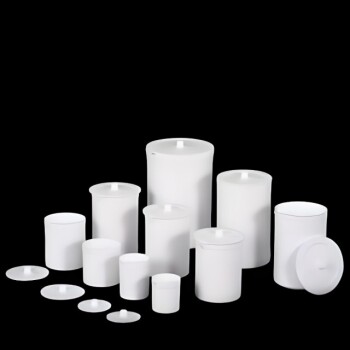
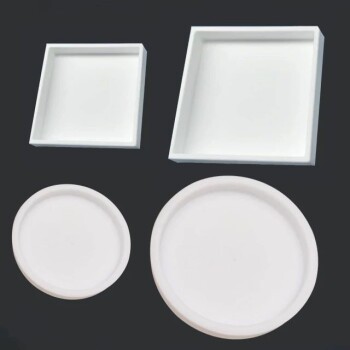
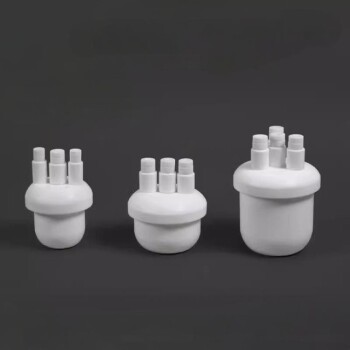
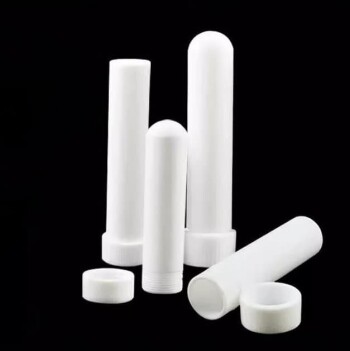
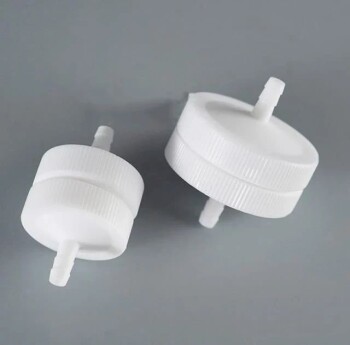
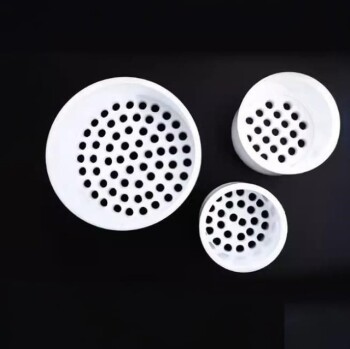
The primary role of a Polytetrafluoroethylene (PTFE) liner is to act as a chemically inert barrier against corrosion. During the hydrothermal synthesis of Zinc Oxide (ZnO) nanoparticles, the reaction environment is typically highly alkaline, often utilizing strong bases like Potassium Hydroxide under high temperature and pressure. The PTFE liner isolates this corrosive liquid from the reactor’s stainless steel walls, preventing physical damage to the vessel and maintaining the chemical integrity of the solution.
Core Takeaway The PTFE liner is the critical safeguard for sample purity. By preventing the alkaline reaction mixture from leaching metal ions from the steel autoclave, the liner ensures the final Zinc Oxide nanoparticles are free from metallic contamination and possess high structural quality.
The Necessity of Chemical Inertness
Handling Highly Alkaline Environments
Hydrothermal synthesis of ZnO frequently requires a high-pH environment to facilitate the correct chemical reactions.
Direct contact between hot, pressurized alkaline solutions (such as Potassium Hydroxide) and a metal reactor shell would lead to rapid corrosion. The PTFE liner is chosen specifically for its exceptional corrosion resistance, allowing it to withstand these harsh conditions without degrading.
Preventing Metal Ion Contamination
The most significant risk in nanomaterial synthesis is the introduction of impurities.
If the reaction liquid were to touch the metal walls of the autoclave, metal ions (such as iron or chromium) would leach into the solution. The PTFE liner acts as a seal that completely prevents this interaction. This isolation is non-negotiable for producing high-purity Zinc Oxide nanoparticles with consistent electronic and optical properties.
Facilitating the Hydrothermal Environment
Creating a Sealed Reaction Zone
Beyond chemical resistance, the liner provides the physical seal necessary for the hydrothermal process.
It creates a contained environment where water or organic solvents can be heated above their atmospheric boiling points. This sealed high-pressure zone increases the solubility of precursors and accelerates reaction kinetics, essential for the crystallization of ZnO.
Supporting In-Situ Growth
The stable environment provided by the liner allows for precise control over the reaction.
Because the liner prevents interaction with the vessel walls, the nucleation and crystallization of nanoparticles occur solely within the solution or on intended substrates. This leads to better control over the morphology of the final product, such as the specific shape or size of the nanoparticles.
Understanding the Trade-offs
Temperature Limitations
While PTFE is chemically robust, it has lower thermal stability than the stainless steel shell.
Most PTFE liners effectively degrade or deform if the synthesis temperature exceeds roughly 200°C to 250°C. For reactions requiring extreme heat, this material becomes the limiting factor of the entire reactor setup.
Physical Deformation and Creep
PTFE is a relatively soft polymer compared to metal.
Under repeated cycles of high pressure and high temperature, the liner can experience "creep" or permanent deformation. This can eventually compromise the seal, requiring the liner to be treated as a consumable component that must be inspected and replaced regularly to prevent leaks or contamination.
Making the Right Choice for Your Goal
To ensure the success of your hydrothermal synthesis, consider the following based on your specific objectives:
- If your primary focus is High Purity: Prioritize the integrity of the PTFE surface; any scratches or wear can trap contaminants that ruin sensitive ZnO optical properties.
- If your primary focus is High Temperature (>200°C): Acknowledge the thermal limit of PTFE; you may need to seek alternative liner materials (like PPL) if your synthesis requires extreme heat to drive crystallization.
The PTFE liner is not just a container; it is the active guardian of your reaction's chemistry, ensuring that the aggressive conditions required for synthesis do not compromise the quality of the final nanomaterial.
Summary Table:
| Feature | Function in Hydrothermal Synthesis |
|---|---|
| Material | Polytetrafluoroethylene (PTFE) |
| Primary Role | Chemically inert barrier against corrosive alkaline environments |
| Contamination Control | Prevents leaching of metal ions from stainless steel walls |
| Thermal Limit | Typically effective up to 200°C - 250°C |
| Physical Action | Provides a sealed zone for high-pressure reaction kinetics |
| Maintenance | Requires regular inspection for deformation (creep) |
Elevate Your Nanomaterial Precision with KINTEK
Don't let corrosion or impurities compromise your research outcomes. KINTEK specializes in high-performance laboratory solutions, offering a comprehensive range of high-temperature high-pressure reactors and autoclaves equipped with premium PTFE and PPL liners.
Whether you are synthesizing ZnO nanoparticles or conducting complex battery research, our durable PTFE consumables, ceramics, and crucibles ensure the highest chemical integrity. From hydrostatic presses to advanced crushing and milling systems, we provide the tools needed for consistent, high-quality results.
Ready to upgrade your laboratory setup? Contact us today to find the perfect reactor solution and experience the KINTEK advantage in material purity and performance.
References
- Tomasz Strachowski, Stefan Marynowicz. Hydrothermal Synthesis of Zinc Oxide Nanoparticles Using Different Chemical Reaction Stimulation Methods and Their Influence on Process Kinetics. DOI: 10.3390/ma15217661
This article is also based on technical information from Kintek Solution Knowledge Base .
Related Products
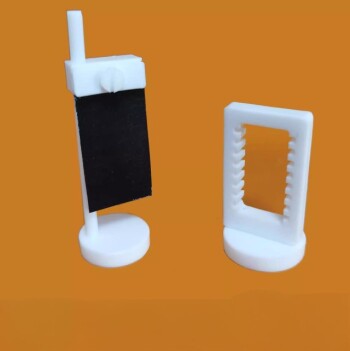
- Custom PTFE Teflon Parts Manufacturer for Hydrothermal Synthesis Reactor Polytetrafluoroethylene Carbon Paper and Carbon Cloth Nano-growth
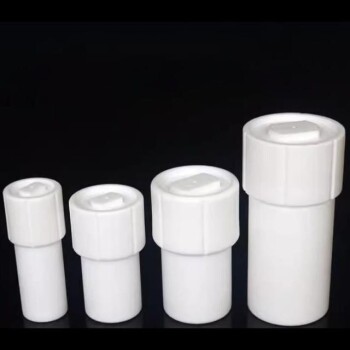
- Custom PTFE Teflon Parts Manufacturer for Reagent Wide Mouth Fine Mouth Sample High Temperature Bottles
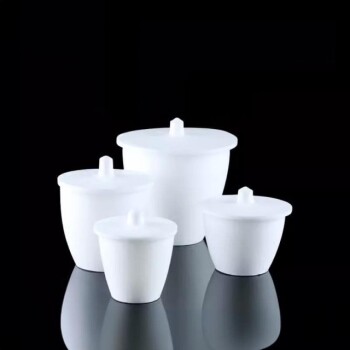
- Custom Machined and Molded PTFE Teflon Parts Manufacturer with PTFE Crucible and Lid
- Stainless High Pressure Autoclave Reactor Laboratory Pressure Reactor
- Custom PTFE Teflon Parts Manufacturer for Microwave Digestion Tank
People Also Ask
- What is the function of a PTFE reactor in MXene etching? Ensure Safe, High-Purity MAX Phase Conversion
- Why is a PTFE reactor required for titanium-based nano-ceramic coating solutions? Ensure Chemical Inertness & Purity
- Why must a Polytetrafluoroethylene (PTFE) reactor be used for Ti3C2TX MXene etching? Ensure Safety and Purity
- Why are PTFE reactors preferred for silver phosphate glass testing? Ensure Purity and Kinetic Accuracy
- What are the advantages of using polytetrafluoroethylene (PTFE) liners in hydrothermal synthesis reactors? High Purity