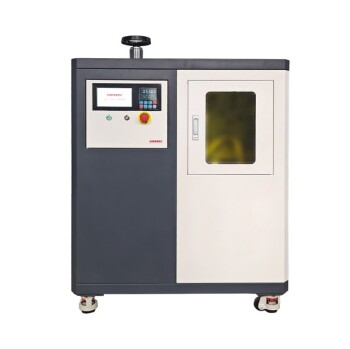
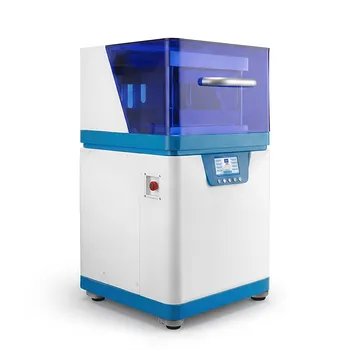
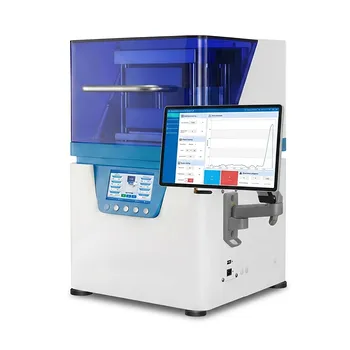
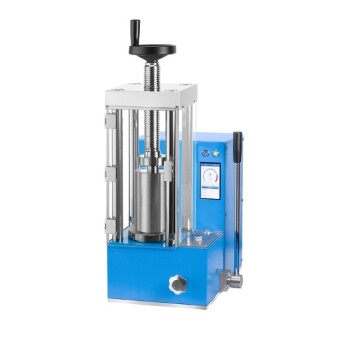
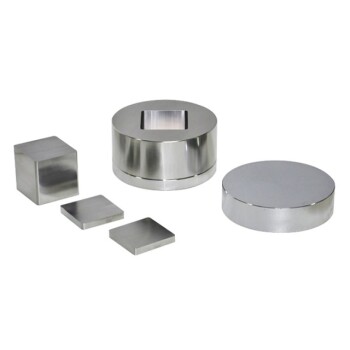
The rolling press, or calendering process, is essential for densifying the electrode structure and ensuring electrical continuity. By applying precise vertical pressure, the press reduces the porosity of the dried coating and increases its compaction density. This ensures that active silicon particles remain in intimate contact with the conductive network and the current collector, which is vital for high-capacity performance.
The primary purpose of the rolling press is to optimize the balance between energy density and power characteristics by transforming a porous, loose coating into a highly conductive and mechanically stable electrode. For silicon-based electrodes, this process is particularly critical for managing the significant volume changes the material undergoes during battery operation.
Optimizing the Internal Electrode Architecture
Enhancing Volumetric Energy Density
The rolling press applies vertical pressure to the electrode sheet to significantly reduce coating porosity. This reduction in void space allows more active material to be packed into the same volume, directly increasing the battery's energy density.
Strengthening Electronic Transport Networks
By compressing the electrode, the rolling press increases the contact intimacy between the active silicon particles, conductive carbon black, and the current collector. This creates shorter and more numerous electronic contact paths, which significantly reduces the internal contact resistance of the electrode.
Optimizing Ion Migration Paths
While compaction reduces porosity, controlled rolling ensures that the remaining pores are distributed efficiently for electrolyte wetting. A well-calendered electrode maintains enough void space to facilitate rapid lithium-ion migration while maximizing the active material's efficiency.
Enhancing Interfacial and Mechanical Stability
Improving Adhesion to the Current Collector
The high pressure of the rolling press induces slight mechanical deformation in both the active material and the copper foil current collector. This process increases the effective contact area between the two, strengthening the interfacial adhesion and preventing the coating from delaminating during use.
Managing Silicon Expansion via Compressive Stress
Silicon-based electrodes experience extreme volume changes during charging and discharging. The rolling press introduces beneficial compressive stress into the particles, which helps mitigate the structural stresses caused by silicon expansion and keeps the electrode intact over many cycles.
Ensuring Surface Uniformity
A rolling press provides a uniform mechanical flattening of the electrode surface. This surface consistency is vital for the subsequent battery assembly phases, as it ensures even pressure distribution and consistent performance across the entire surface of the cell.
Understanding the Trade-offs
The Risk of Over-Compaction
Excessive pressure from the rolling press can lead to the crushing of active material particles or the conductive carbon network. If the pressure is too high, it may also deform the current collector excessively, leading to mechanical failure or "wrinkling" of the electrode sheet.
Inhibiting Electrolyte Penetration
If porosity is reduced too aggressively, the electrode may become impermeable to the electrolyte. This lack of wetting restricts ion transport, leading to high internal resistance and a significant drop in power performance, particularly at high discharge rates.
Balancing Energy and Power
The technical challenge lies in finding the "sweet spot" of compaction density. Designers must balance the need for high energy density (achieved through higher compaction) against the need for high power delivery (which requires maintained porosity for fast ion movement).
How to Apply This to Your Project
Making the Right Choice for Your Goal
- If your primary focus is high energy density: Focus on maximizing compaction density through higher rolling pressures to pack as much active material as possible into the electrode volume.
- If your primary focus is high power and fast charging: Prioritize maintaining a specific level of porosity during the rolling process to ensure rapid lithium-ion migration and thorough electrolyte wetting.
- If your primary focus is cycle life and durability: Use the rolling press to introduce controlled compressive stress and maximize interfacial adhesion to combat the mechanical strain of silicon expansion.
Applying the correct calendering pressure is a decisive factor in ensuring that a silicon-based electrode can meet its theoretical performance potential while remaining mechanically stable.
Summary Table:
| Key Objective | Mechanism | Performance Impact |
|---|---|---|
| Densification | Reduces coating porosity and void space | Increases volumetric energy density |
| Conductivity | Enhances contact between particles/collector | Lowers internal resistance (ESR) |
| Adhesion | Increases interfacial contact area | Prevents delamination during cycling |
| Stress Management | Introduces beneficial compressive stress | Mitigates silicon volume expansion |
| Uniformity | Flattens electrode surface | Ensures consistent electrochemical reactions |
Elevate Your Battery Research with KINTEK Precision
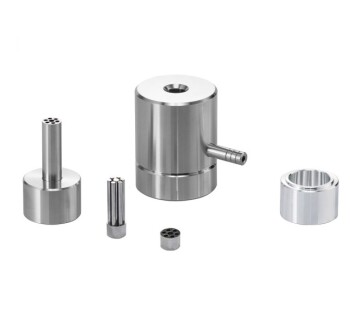
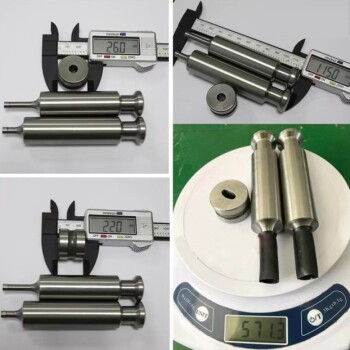
Achieving the perfect balance between energy density and power requires high-precision equipment. KINTEK specializes in advanced laboratory solutions designed to optimize your electrode fabrication process. From precision rolling presses (calendering systems) and hydraulic pellet presses to high-temperature vacuum and CVD furnaces, we provide the tools necessary for cutting-edge energy storage research.
Why partner with KINTEK?
- Comprehensive Battery Portfolio: Explore our range of battery research tools, consumables, and cooling solutions like ULT freezers.
- Material Expertise: High-quality ceramics, crucibles, and PTFE products to ensure zero contamination.
- Tailored Solutions: Whether you need crushing and milling systems or electrolytic cells, we support your specific workflow requirements.
Ready to optimize your silicon-based electrode performance? Contact our technical experts today to find the ideal equipment for your laboratory.
References
- Trevor R. Martin, Nathan R. Neale. Conjugated Imine Polymer Synthesized via Step‐Growth Metathesis for Highly Stable Silicon Nanoparticle Anodes in Lithium‐Ion Batteries. DOI: 10.1002/aenm.202203921
This article is also based on technical information from Kintek Solution Knowledge Base .
Related Products
- Round Bidirectional Press Mold for Lab
- Ring Press Mold for Lab Applications
- Cylindrical Press Mold with Scale for Lab
- Cylindrical Press Mold for Lab Applications
- Manual Lab Heat Press
People Also Ask
- How to use a press mold? Master the Art of Creating Consistent Ceramic Forms
- What is the press mould method? A Guide to Consistent, Detailed Ceramic Forms
- What is the function of press molds during the preparation of SiCf/Ti-43Al-9V composites? Achieve Structural Precision
- What is a press mold used for? Achieve Repeatable Precision and Efficiency
- What is the purpose of specialized pressure devices in sulfide solid-state batteries? Ensure Chemo-Mechanical Stability