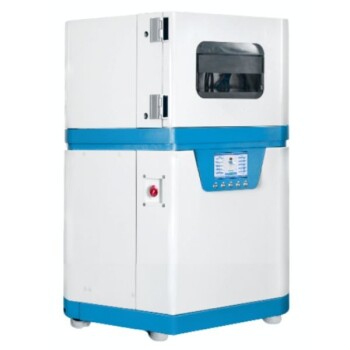
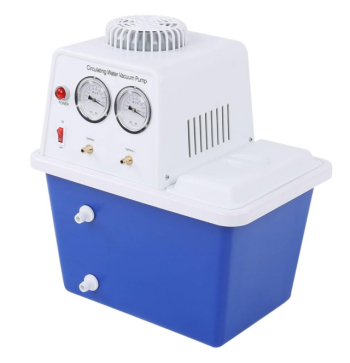
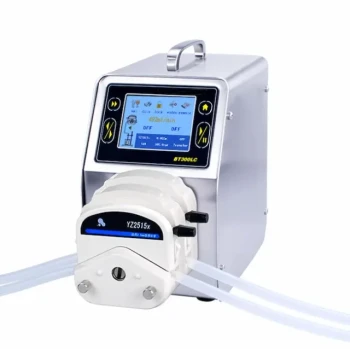
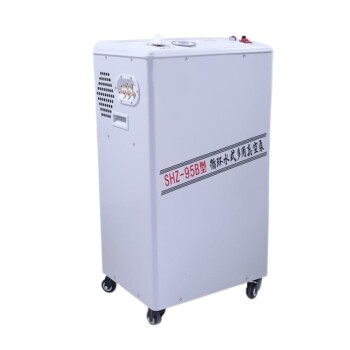
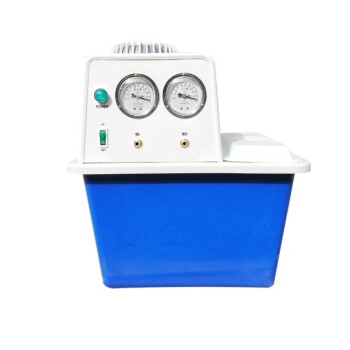
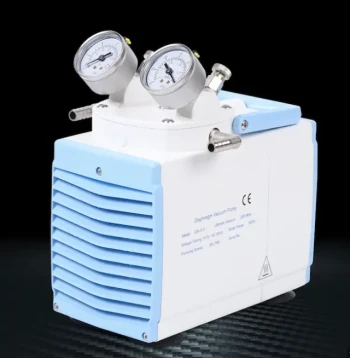
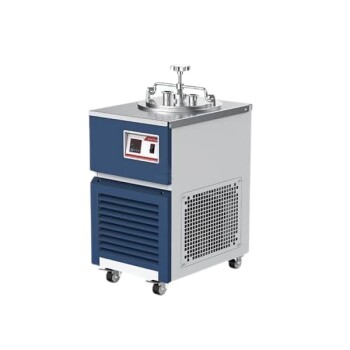
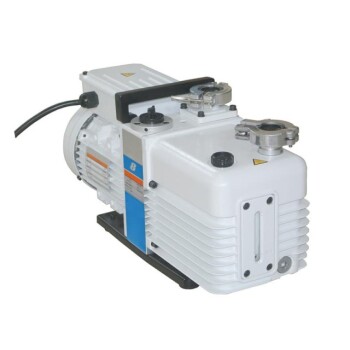
The primary role of a laboratory vacuum pressure system in the post-reaction phase of glycerol etherification is the separation and purification of the final product. By reducing the system pressure, you effectively lower the boiling points of unwanted components, allowing for the removal of unreacted solvents and byproduct water without subjecting the glycerol ethers to excessive thermal stress.
Core Takeaway Vacuum systems serve a dual purpose: they drive product purity by stripping away volatiles and protect chemical integrity by allowing distillation at lower temperatures. This prevents thermal degradation and ensures the final glycerol ethers remain stable and active.
Achieving Product Purity and Solvent Recovery
Removal of Volatile Components
The post-reaction mixture often contains unreacted low-boiling point solvents, such as excess alcohols or olefins, alongside byproduct water.
A vacuum pressure system facilitates the efficient removal of these volatiles through vacuum distillation or filtration. This separation is the first critical step in transforming a crude reaction mixture into a refined product.
Resource Recovery
Beyond purification, the system plays a vital role in solvent recovery.
By capturing the evaporated solvents, laboratories can reclaim materials like alcohols or olefins for future use, improving the overall atom economy and sustainability of the etherification process.
Preserving Chemical Integrity
Preventing Thermal Degradation
Glycerol ethers are sensitive to prolonged exposure to high temperatures.
If you attempt to distill solvents at atmospheric pressure, the required heat can trigger unwanted oligomerization, where the product molecules react with each other to form larger, undesirable chains.
Mitigating Side Reactions
Using a vacuum reduces the boiling point of the solvents, allowing for distillation at significantly lower temperatures.
This "gentle" separation preserves the molecular structure of the glycerol ethers, ensuring the final product matches the target specifications rather than degrading into byproducts.
Catalyst and Solid Product Conditioning
The Role of Vacuum Drying Ovens
While the primary system handles fluids, a laboratory vacuum drying oven is often employed for solid phases, such as synthesized catalysts (e.g., TEAPS ionic liquids) or solid final products.
This equipment heats the material under reduced pressure to thoroughly eliminate residual moisture and volatile solvents like toluene or acetonitrile.
Ensuring Catalytic Activity
For catalysts, this step is non-negotiable.
Complete drying is essential to maintain acid strength and catalytic activity. Residual moisture can deactivate the catalyst, compromising its performance in subsequent applications like Pickering emulsions.
Understanding the Trade-offs
Balancing Pressure and Product Loss
While high vacuum aids in removing stubborn solvents, excessive vacuum can lead to product loss.
If the pressure is lowered too drastically, you risk co-distilling the desired glycerol ethers along with the waste solvents. Precise pressure control is required to target only the volatiles.
Equipment Complexity
Implementing a robust vacuum system adds variables to the process setup.
Operators must diligently monitor vacuum seals and pump performance; a minor leak can result in fluctuating pressures that disrupt the distillation curve and lead to incomplete purification.
Making the Right Choice for Your Goal
To maximize the effectiveness of your post-reaction processing, align your vacuum strategy with your specific objectives:
- If your primary focus is Product Purity: Prioritize a vacuum distillation setup with precise pressure control to strip unreacted alcohols without overheating the ether.
- If your primary focus is Catalyst Performance: Utilize a vacuum drying oven to ensure complete moisture removal, guaranteeing maximum acid strength for the next reaction cycle.
- If your primary focus is Yield Preservation: Use a moderate vacuum setting to remove solvents slowly, preventing the accidental carry-over of the final glycerol ether product.
The effective use of vacuum pressure is not just a cleaning step; it is a method of chemical preservation that defines the quality of your final output.
Summary Table:
| Feature | Role in Post-Reaction Phase | Key Benefit |
|---|---|---|
| Pressure Reduction | Lowers boiling points of volatiles | Prevents thermal degradation of glycerol ethers |
| Volatile Removal | Strips unreacted alcohols and byproduct water | Achieves high product purity and refined output |
| Solvent Recovery | Captures evaporated olefins and alcohols | Improves atom economy and process sustainability |
| Vacuum Drying | Conditions solid catalysts (e.g., ionic liquids) | Preserves acid strength and catalytic activity |
| Pressure Control | Balances vacuum levels | Minimizes product loss during distillation |
Maximize Your Lab’s Chemical Precision with KINTEK
Don't let thermal degradation or incomplete purification compromise your glycerol etherification results. KINTEK specializes in high-performance laboratory equipment designed for the most demanding chemical processes. Whether you need precise high-temperature vacuum furnaces, advanced rotary evaporators, or specialized vacuum drying ovens, we provide the tools necessary to ensure product integrity and catalytic activity.
From high-pressure reactors to essential laboratory consumables like PTFE products and ceramics, our portfolio supports every stage of your research and production. Contact us today to find the perfect vacuum solution for your lab!
References
- Prakas Palanychamy, Loong Kong Leong. Critical Review of the Various Reaction Mechanisms for Glycerol Etherification. DOI: 10.3390/catal12111487
This article is also based on technical information from Kintek Solution Knowledge Base .
Related Products
- Vacuum Heat Treat and Sintering Furnace with 9MPa Air Pressure
- Electric Heated Hydraulic Vacuum Heat Press for Lab
- Vacuum Heat Treat and Pressure Sintering Furnace for High Temperature Applications
- Touchscreen Automatic Vacuum Heat Press
- Vacuum Hot Press Furnace Machine Heated Vacuum Press
People Also Ask
- What is the process of pressure sintering? Achieve Superior Density and Strength for High-Performance Parts
- What is the effect of pressure during sintering? Achieve Higher Density and Finer Microstructures Faster
- How does the vacuum environment impact sintering of diamond-copper composites? Protect Against Thermal Damage
- What is a vacuum sintering furnace? Unlock Purity and Performance in Advanced Materials
- What are some alternative atmospheres to pure hydrogen for powder metallurgy sintering processes? Top Sintering Solutions