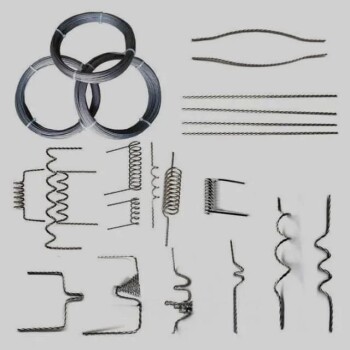
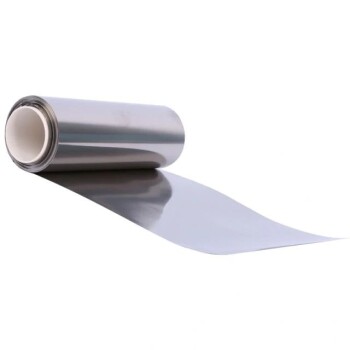
In the harsh, saline environment of a Sediment Microbial Fuel Cell (SMFC), corrosion-resistant titanium wire functions as the critical electron transport channel. It acts as the physical bridge that carries electrons generated by bacteria at the buried anode to the external load and the overlying cathode, completing the electrical circuit necessary for power generation.
Core Takeaway While standard metals often fail in seawater, titanium provides essential stability against high-salinity corrosion. Its primary value lies in protecting the biological integrity of the system: it prevents the leaching of toxic metal impurities that would otherwise kill the microorganisms powering the fuel cell.
The Critical Challenges of Marine SMFCs
To understand the role of titanium, one must first understand the hostile environment of a seawater-based fuel cell. The system operates in a medium that aggressively attacks standard materials.
Combating High-Salinity Corrosion
Seawater is an electrolyte rich in salts that accelerate oxidation.
Standard metal wires exposed to this environment degrade rapidly. This oxidation leads to physical breakage or a loss of conductivity, severing the connection between the anode and cathode and causing immediate system failure.
Protecting the Microbial Ecosystem
The "engine" of an SMFC is biological, relying on living microorganisms to generate electrons.
When common metals corrode, they do not just vanish; they release metal impurities into the sediment. These impurities are often toxic to the microbial communities. If the wire corrodes, it poisons the very bacteria required to generate power, rendering the remediation cycle ineffective.
The Functional Role of Titanium
Titanium is not chosen for its conductivity alone, but for its chemical inertness. It serves two specific functions that ensure the operational continuity of the SMFC.
Stable Electron Transmission
Titanium wire acts as a durable electron transport channel.
Because it resists the oxidative stress of the seawater, it maintains a consistent electrical pathway. This ensures that the flow of electrons remains stable from the sediment to the water column above, regardless of the salinity levels.
Ensuring Long-Term Remediation
SMFCs are often deployed for extended periods to facilitate environmental remediation.
Titanium ensures operational continuity throughout this entire cycle. Unlike standard wires that might require frequent replacement or cause intermittent failures, titanium allows the system to run uninterrupted until the project goals are met.
Common Pitfalls in Material Selection
When designing an SMFC, the choice of connection line material involves a critical trade-off between initial convenience and system viability.
The Failure of Standard Metals
It is a common error to use standard conductive metals (like copper or basic steel) to reduce costs or sourcing difficulty.
However, the text indicates that these materials are prone to oxidation failure. This results in a broken circuit, requiring the retrieval and repair of the SMFC—a process that disturbs the sediment and the microbial biofilm.
The Hidden Cost of Toxicity
The most overlooked risk of using non-titanium wire is biological damage.
Even if a standard wire maintains a connection for a short time, it may leach ions that are toxic to microorganisms. This creates a counter-productive environment where the hardware actively degrades the biological performance of the cell.
Making the Right Choice for Your Goal
Selecting the correct connection line is vital for the survival of your Sediment Microbial Fuel Cell.
- If your primary focus is operational longevity: Choose titanium wire to prevent oxidation failure and avoid the need for mid-cycle maintenance or replacement.
- If your primary focus is biological efficiency: Rely on titanium to eliminate the risk of leaching toxic metal impurities that could suppress microbial activity.
By utilizing corrosion-resistant titanium, you secure the vital link between biological generation and electrical utilization, ensuring your system performs reliably in aggressive marine environments.
Summary Table:
| Feature | Titanium Wire | Standard Metal Wires (Copper/Steel) |
|---|---|---|
| Corrosion Resistance | Excellent (Stable in high-salinity) | Poor (Rapid oxidation/physical failure) |
| Biological Impact | Biocompatible (No toxic leaching) | Harmful (Releases toxic metal impurities) |
| Electron Transport | Consistent and stable pathway | Intermittent or severed connection |
| System Longevity | High (Ideal for long-term remediation) | Low (Requires frequent replacement) |
| Maintenance Needs | Minimal | High (Frequent retrieval and repair) |
Secure Your Marine Research with KINTEK’s High-Performance Materials
Don't let material failure compromise your biological power generation. KINTEK provides the specialized laboratory equipment and high-purity consumables needed for rigorous marine and energy research. Whether you are developing Sediment Microbial Fuel Cells (SMFC), advancing battery research, or conducting complex electrolytic cell studies, our corrosion-resistant solutions ensure your systems run uninterrupted.
Our value to you:
- Durability: High-quality titanium and ceramic components designed for harsh environments.
- Precision: Specialized equipment including high-temperature furnaces and hydraulic presses for material synthesis.
- Expertise: A comprehensive portfolio covering everything from ULT freezers to high-pressure reactors.
Ready to enhance your lab's efficiency and reliability? Contact KINTEK today to discuss your project requirements!
References
- Nannan Zhao. Remediation of Mariculture Sediment by Sediment Microbial Fuel Cell. DOI: 10.1051/e3sconf/202126104037
This article is also based on technical information from Kintek Solution Knowledge Base .
Related Products
- Thermally Evaporated Tungsten Wire for High Temperature Applications
- High-Purity Titanium Foil and Sheet for Industrial Applications
- Small Vacuum Heat Treat and Tungsten Wire Sintering Furnace
- Vacuum Heat Treat and Molybdenum Wire Sintering Furnace for Vacuum Sintering
People Also Ask
- What are the disadvantages of tungsten filament? Key Limitations in Lighting Technology
- Does heat affect tungsten? Harnessing the Power of the Metal with the Highest Melting Point
- Is tungsten the most heat resistant material? It depends on your application's environment.
- What metal is closest to tungsten? Find the Best Alternative for Your High-Temp Needs
- Can tungsten withstand high temperature? Unlocking its full potential in extreme heat environments