The gas flow controller serves as the critical "throttle" for determining graphene thickness in a Chemical Vapor Deposition (CVD) system. Its primary significance lies in its ability to precisely regulate the flux of carbon source gases entering the reaction chamber. By manipulating the ratio of these carbon sources to carrier gases and controlling the duration of gas exposure, the controller dictates the exact concentration of carbon atoms available to settle on the substrate surface.
By strictly managing the supply of carbon atoms relative to carrier gases, the gas flow controller transforms CVD from a process of random deposition into a tunable method capable of producing specific graphene structures, ranging from single-layer to multi-layer formations.
The Mechanics of Layer Control
Regulating Carbon Flux
The fundamental role of the gas flow controller is to manage the carbon flux—the rate at which carbon-containing molecules are introduced to the system.
High precision is required here because the availability of carbon atoms directly correlates to the growth rate. Too much carbon can lead to uncontrolled stacking, while too little may result in incomplete coverage.
Balancing Gas Ratios
The controller does not operate on the carbon source alone; it manages the crucial balance between the carbon source and carrier gases.
Common carrier gases include nitrogen and hydrogen. The controller adjusts the mixture of these gases to create the ideal chemical environment for deposition on the catalyst surface, such as stainless steel.
The Role of Hydrogen
While the primary reference highlights the general ratio, it is vital to note that hydrogen flow specifically plays a dual role.
Hydrogen acts as both an etchant (removing weak carbon bonds) and a co-catalyst. Precise control of the hydrogen flow via the controller is essential for restricting the number of layers formed.
Achieving Target Morphologies
From Single to Multi-Layer Growth
Through fine regulation, the gas flow controller enables the distinction between Single-Layer (SLG), Few-Layer (FLG), and Multi-Layer (MLG) graphene.
This capability allows operators to target specific material properties required for different applications. The system can generally control growth within a range of 1 to 10 layers.
Controlling Exposure Time
The gas flow controller works in tandem with the exposure time—the duration the substrate is subjected to the gas flow.
By accurately starting and stopping the flow, the controller limits how long the catalyst is exposed to the carbon source. This temporal precision is necessary to halt growth exactly when the desired layer count is achieved.
Understanding the Trade-offs
The Limit of Flow Control
While the gas flow controller is critical, it is not the sole determinant of success. Relying exclusively on gas flow adjustments without considering temperature and pressure will lead to inconsistent results.
Interdependency of Variables
The effectiveness of the gas flow is heavily dependent on the thickness of the catalyst (e.g., nickel) and the reaction temperature.
Even with perfect flow control, variations in the catalyst thickness or thermal fluctuations can alter the carbon absorption rate. Achieving accuracy down to a single layer often requires synchronizing the gas flow with overall system pressure and temperature profiles.
Making the Right Choice for Your Goal
To maximize the effectiveness of your CVD system, you must align the gas flow controller settings with your specific output requirements.
- If your primary focus is Single-Layer Graphene (SLG): Prioritize a highly restrictive carbon-to-hydrogen ratio and short exposure times to limit carbon atom accumulation on the surface.
- If your primary focus is Multi-Layer Graphene (MLG): Increase the carbon flux and extend the exposure duration to allow for the stacking of carbon layers on the substrate.
- If your primary focus is Reproducibility: Ensure your gas flow controller is calibrated to work in unison with temperature and pressure controls, as layer precision is a result of total system harmony.
Ultimately, the gas flow controller is the instrument that translates a chemical recipe into a precise physical structure.
Summary Table:
| Parameter Controlled | Role in Graphene Growth | Impact on Layering |
|---|---|---|
| Carbon Flux | Regulates molecule introduction rate | Determines growth rate and stacking potential |
| Gas Ratios | Balances carbon source vs. carrier gases | Optimizes chemical environment for catalyst surface |
| Hydrogen Flow | Acts as etchant and co-catalyst | Restricts number of layers by removing weak bonds |
| Exposure Time | Controls duration of gas-catalyst contact | Halts deposition when target layer count is reached |
Elevate Your Graphene Research with KINTEK Precision
Achieving the perfect graphene layer count requires more than just a recipe—it demands high-precision instrumentation. KINTEK specializes in advanced laboratory solutions, including state-of-the-art CVD and PECVD systems, atmosphere furnaces, and precision gas delivery components designed for researchers and industrial manufacturers.
Whether you are targeting Single-Layer Graphene (SLG) for electronics or Multi-Layer Graphene (MLG) for energy storage, our equipment provides the stability and control necessary for reproducible results. From high-temperature furnaces to specialized PTFE and ceramic consumables, we provide the tools that turn complex chemical processes into reliable physical structures.
Ready to optimize your thin-film deposition? Contact our technical experts today to find the perfect CVD configuration for your lab's needs.
References
- Ferial Ghaemi, Robiah Yunus. Synthesis of Different Layers of Graphene on Stainless Steel Using the CVD Method. DOI: 10.1186/s11671-016-1709-x
This article is also based on technical information from Kintek Solution Knowledge Base .
Related Products
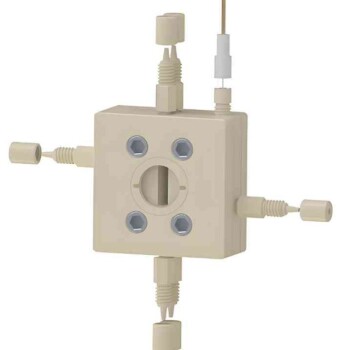
- Electrolytic Electrochemical Cell Gas Diffusion Liquid Flow Reaction Cell
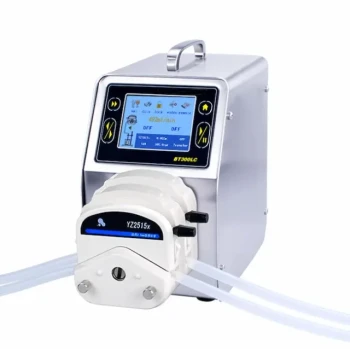
- Variable Speed Peristaltic Pump
- Customizable CO2 Reduction Flow Cell for NRR ORR and CO2RR Research
- Controlled Nitrogen Inert Hydrogen Atmosphere Furnace
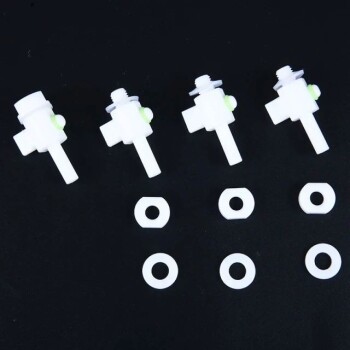
- Custom PTFE Teflon Parts Manufacturer for Air Valve Applications
People Also Ask
- How does the design of an electrochemical electrolytic cell influence the coating uniformity? Optimize Your Catalysts
- What is the correct shutdown and disassembly procedure after an experiment? Ensure Safety and Protect Your Equipment
- Why are electrolytic cells essential in titanium production? Powering Circular Efficiency and Cost Savings
- What is galvanic cell or electrolytic cell? Unlock the Secrets of Electrochemical Power
- What are the three essential components that comprise an electrolytic cell? Key Elements of Chemical Synthesis