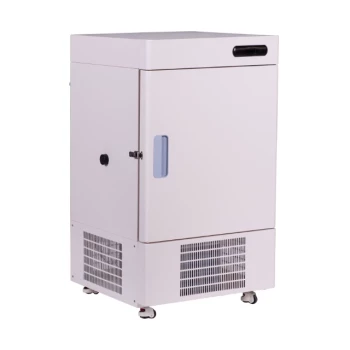
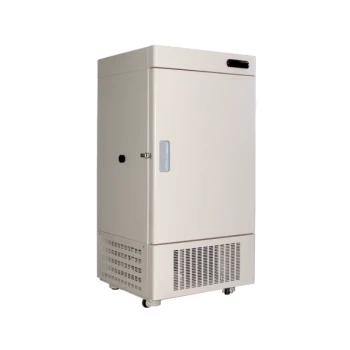
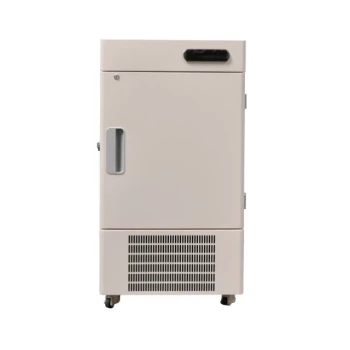
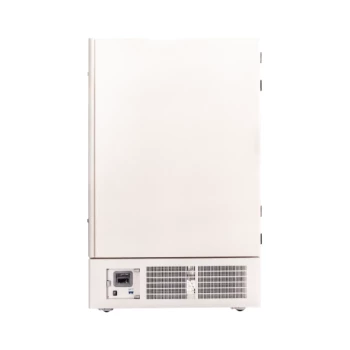
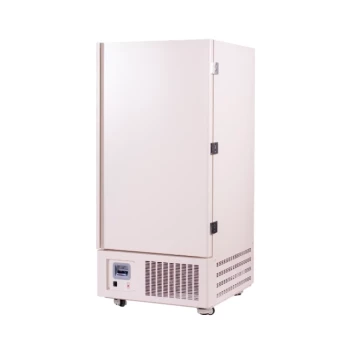
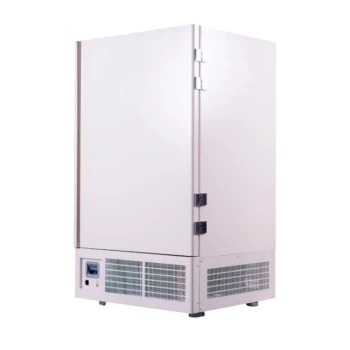
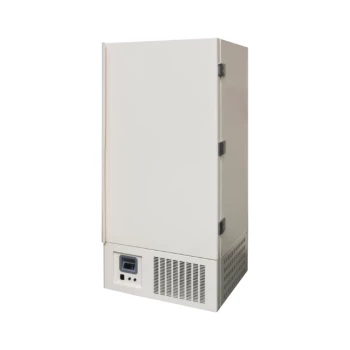
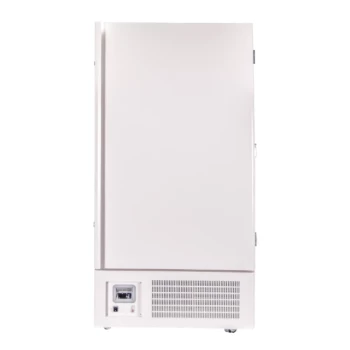
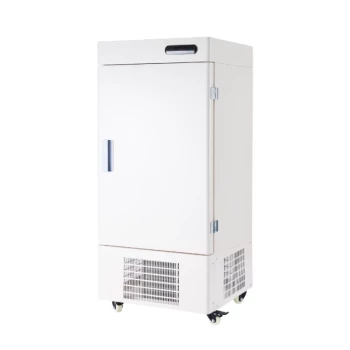
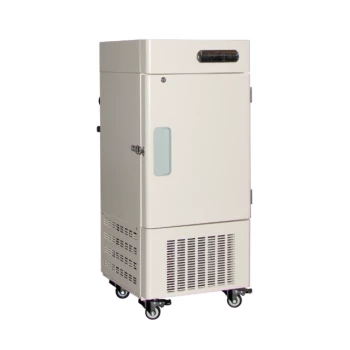
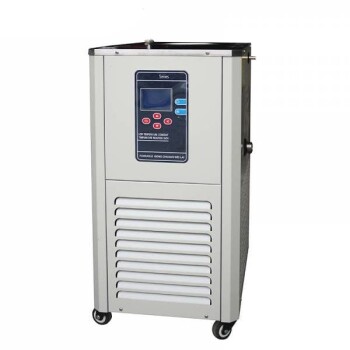
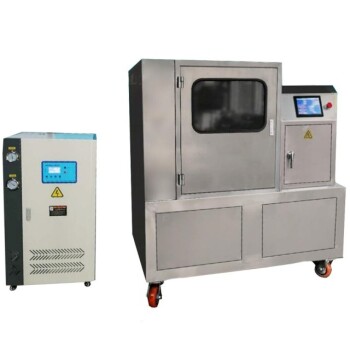
Ultra-low temperature freezing equipment is utilized to rigorously evaluate four specific performance indicators in all-solid-state batteries: ionic conductivity, charge-discharge performance, electrolyte phase stability, and interface transport limits. By creating stable, extreme environments (such as -30°C), this testing infrastructure allows engineers to determine if the solid electrolyte can maintain functionality when thermal energy is minimized.
The core value of this testing is to identify the precise thermal threshold where the solid electrolyte loses its ability to transport ions effectively or undergoes structural changes that impede battery function.
Evaluating Electrochemical Efficiency
The most immediate performance metrics assessed in cold environments relate to how well the battery moves energy.
Ionic Conductivity
The primary indicator measured is ionic conductivity. In solid-state batteries, ions must move through a solid lattice rather than a liquid solvent.
Freezing equipment is used to determine how drastically ion movement slows down as temperatures drop. This data confirms whether the electrolyte retains enough conductivity to power a device in freezing conditions.
Charge-Discharge Performance
Engineers test the battery's ability to accept and release energy under load at low temperatures.
This metric reveals the practical capacity retention of the battery. It identifies if the battery will suffer from severe voltage drops or reduced capacity when operated in winter climates.
Assessing Material and Structural Limits
Beyond simple energy movement, ultra-low temperature testing probes the physical limitations of the battery materials themselves.
Phase Stability of the Electrolyte
The solid electrolyte material must remain chemically and structurally stable to function.
Testing at extreme temperatures helps determine if the electrolyte undergoes phase transitions—structural changes that could permanently degrade performance. Ensuring phase stability prevents the material from becoming brittle or non-conductive in the cold.
Limits of Interface Transport
The "interface" is the boundary where the solid electrolyte meets the anode or cathode.
Cold temperatures can cause materials to contract, potentially creating gaps or resistance at these boundaries. This testing evaluates the "interface transport capabilities," identifying the limiting factors of ion transfer between the distinct layers of the battery stack.
Understanding the Testing Trade-offs
While ultra-low temperature testing is critical, it presents specific challenges that must be managed to ensure data accuracy.
Environmental Stability vs. Real-World fluctuation
The equipment creates a highly stable environment (e.g., a constant -30°C). However, real-world applications often involve rapid thermal cycling.
Testing at a stable temperature provides a baseline "worst-case" scenario, but it may not fully capture the mechanical stress caused by rapid warming and cooling.
The Sensitivity of Solid Interfaces
Solid-solid interfaces are notoriously sensitive to physical changes.
If the freezing equipment introduces vibration or inconsistent thermal gradients, it can skew the data regarding interface transport. Precise control is required to isolate thermal effects from mechanical anomalies.
Making the Right Choice for Your Testing Goals
When designing a validation protocol for all-solid-state batteries, align your testing metrics with your specific development stage.
- If your primary focus is material selection: Prioritize ionic conductivity and phase stability to ensure the core electrolyte chemistry is viable for cold climates.
- If your primary focus is cell integration: Prioritize interface transport capabilities and charge-discharge performance to ensure the assembled layers maintain contact and capacity under stress.
Successful cold-weather deployment relies on verifying that the electrolyte structure remains stable while maintaining the ionic pathways necessary for energy release.
Summary Table:
| Performance Indicator | Key Evaluation Metric | Impact on Battery Function |
|---|---|---|
| Ionic Conductivity | Ion movement through solid lattice | Determines power output in freezing climates |
| Charge-Discharge | Capacity retention and voltage drops | Assesses real-world usability in winter conditions |
| Phase Stability | Structural/Chemical integrity | Prevents material degradation or brittleness |
| Interface Transport | Ion transfer at electrode boundaries | Identifies resistance limits due to thermal contraction |
Elevate Your Battery Research with KINTEK Precision
Advancing all-solid-state battery technology requires rigorous testing under extreme conditions. KINTEK provides specialized ultra-low temperature (ULT) freezers and cooling solutions designed to maintain the stable, precise environments necessary for evaluating ionic conductivity and interface stability.
From battery research tools and consumables to high-performance vacuum furnaces and hydraulic presses for cell assembly, KINTEK offers a comprehensive ecosystem for energy storage innovation. Our equipment ensures your solid-state electrolytes and interfaces are tested to the highest standards of accuracy.
Ready to optimize your lab’s testing capabilities? Contact our technical experts today to find the perfect solution for your research needs.
Related Products
- 108L Vertical Ultra Low Temperature ULT Freezer
- 308L Precision Ultra Low Temperature Freezer for Laboratory Applications
- 208L Advanced Precision Laboratory Ultra Low Temperature Freezer for Cold Storage
- 58L Precision Laboratory Ultra Low Temperature Upright Freezer for Critical Sample Storage
- 938L Vertical Ultra Low Temperature Freezer for Advanced Laboratory Storage
People Also Ask
- What are the common applications of ultra-low temperature freezers? Preserve Your Most Valuable Samples
- What are the different types of ultra-low temperature freezers available? Choose the Right ULT Freezer for Your Lab
- What are some key features of ultra-low temperature freezers? Essential Guide to Reliable Sample Storage
- Have other labs successfully stored samples at -70°C? Proven Long-Term Preservation for Biological Materials
- What features should be considered when choosing an ultra low temperature freezer? Secure Your Samples with Precision