Effective monitoring is critical to the success of an H-type electrolytic cell experiment. You must actively observe three primary physical phenomena: bubble generation on the electrode surfaces, color changes within the electrolyte, and fluctuations in temperature. These real-time indicators allow you to track the reaction's progress and identify anomalies before they compromise your data or safety.
Success with an H-type cell requires more than just gathering data; it demands real-time vigilance of physical changes. Monitoring bubbles, color, and temperature allows you to intervene immediately if the reaction deviates from the expected pathway or if safety risks arise.
Monitoring Physical Phenomena
Observing Gas Evolution
Focus your attention on the electrode surfaces. The generation of bubbles is a direct visual indicator of gas evolution reactions, such as hydrogen or oxygen production. Consistent bubbling suggests a steady reaction rate, while a cessation or sudden surge may indicate a power supply issue or electrode passivation.
Detecting Chemical Shifts
Watch the electrolyte solution for any changes in color. A shift in color often confirms that the intended chemical transformation is occurring or that a specific ion species is being produced. However, unexpected discoloration can signal contamination or the degradation of the ion-exchange membrane.
Managing Thermal Stability
Monitor the temperature of the system continuously. While many experiments use a water bath to maintain a constant environment, internal resistance can cause the cell to heat up unexpectedly. Uncontrolled temperature fluctuations can alter reaction kinetics and potentially damage the delicate glass components.
Operational and Instrumental Checks
Verifying Procedural Compliance
Strictly observe the timing and method of procedural steps, such as adding reagents or altering lighting conditions. Deviating from the planned sequence can invalidate your results. Ensure these manual interventions do not disturb the physical setup of the cell.
Utilizing Optical Instruments
If your experiment involves optical measurements, rely on instruments like spectrometers or microscopes rather than just the naked eye. Follow the operating instructions for these devices to capture precise data regarding spectral changes or surface morphology. This objective data compliments your visual observations.
Common Pitfalls and Safety Constraints
Overlooking Electrode Degradation
Do not assume electrodes remain static throughout the experiment. Electrodes wear and corrode during use, which can alter their surface area and conductivity. If you observe performance drops, visually inspect the electrodes for signs of physical deterioration or surface fouling.
Ignoring Environmental Hazards
Remain vigilant regarding the safety environment surrounding the cell. Ensure there is no direct contact with energized electrodes to prevent electric shock. Furthermore, because electrolysis can produce flammable gases, observe the perimeter to ensure open flames and flammable materials remain at a safe distance.
Ensuring Data Quality and Safety
If your primary focus is Reaction Kinetics:
- Monitor bubble generation rates and temperature stability closely, as these are the most reliable indicators of reaction speed and consistency.
If your primary focus is Material Analysis:
- Prioritize optical measurements and electrolyte color changes to detect specific ion formation or electrode surface modifications.
If your primary focus is Operational Safety:
- Continuously scan for leaks or electrical arcing, and ensure the reaction does not generate heat faster than the water bath can dissipate it.
By maintaining vigilant observation of these physical parameters, you ensure both the accuracy of your data and the integrity of your laboratory environment.
Summary Table:
| Observation Factor | Indicator of... | Critical Action |
|---|---|---|
| Gas Evolution | Reaction rate & electrode status | Check for bubble consistency on electrode surfaces. |
| Color Shifts | Chemical transformation or contamination | Monitor electrolyte for unexpected discoloration. |
| Thermal Stability | Reaction kinetics & system health | Ensure the water bath dissipates heat from resistance. |
| Electrode Integrity | Surface fouling or degradation | Inspect for physical wear or performance drops. |
| Environmental Safety | Leakage or flammable gas buildup | Keep open flames away and check for electrical arcing. |
Elevate Your Electrochemistry Research with KINTEK
Precision in H-type electrolytic cell experiments starts with high-quality equipment. At KINTEK, we specialize in providing researchers with the robust tools needed for accurate data, including advanced electrolytic cells, high-performance electrodes, and integrated cooling solutions.
Whether you are focusing on reaction kinetics, battery research, or material analysis, our comprehensive portfolio—from crushing and milling systems to high-temperature reactors—is designed to withstand the most demanding laboratory environments.
Ready to optimize your lab's performance? Contact us today to discover how KINTEK’s specialized laboratory equipment and consumables can bring unparalleled reliability to your next experiment.
Related Products
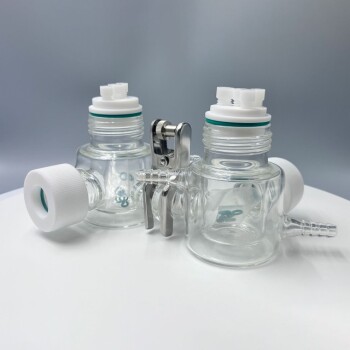
- H-Type Double-Layer Optical Electrolytic Electrochemical Cell with Water Bath
- H Type Electrolytic Cell Triple Electrochemical Cell
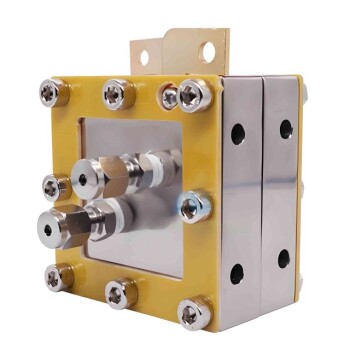
- Customizable PEM Electrolysis Cells for Diverse Research Applications
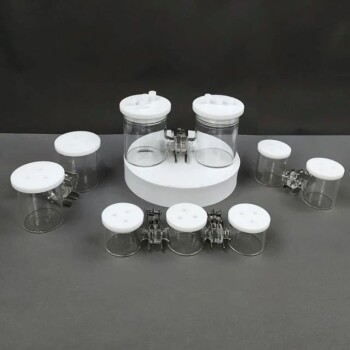
- Electrolytic Electrochemical Cell with Five-Port
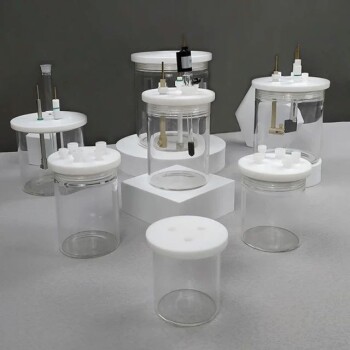
- Super Sealed Electrolytic Electrochemical Cell
People Also Ask
- What is the overall structure of the H-type double-layer optical water bath electrolytic cell? Precision Design for Controlled Experiments
- How is the electrolyte managed in H-type electrolytic cells for specific reactions? Achieve Precise Control and High Purity
- What checks should be performed on the H-type electrolytic cell before use? Ensure Accurate Electrochemical Data
- What is important regarding temperature control for the H-type electrolytic cell? Ensure Precision and Data Integrity
- What is the overall structure of the H-type electrolytic cell? Understanding Dual-Chamber Electrochemical Designs