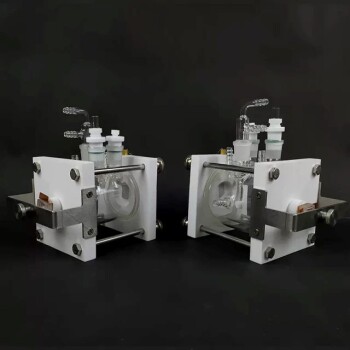
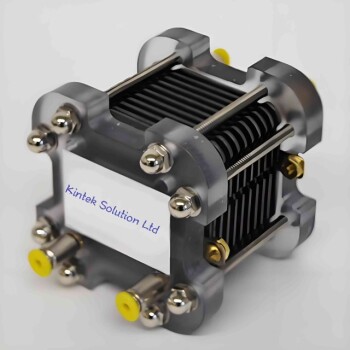
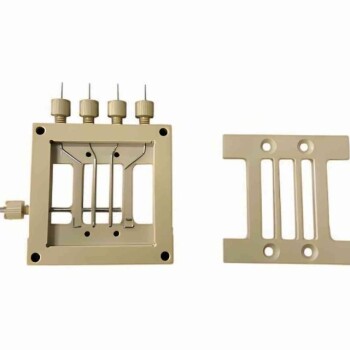
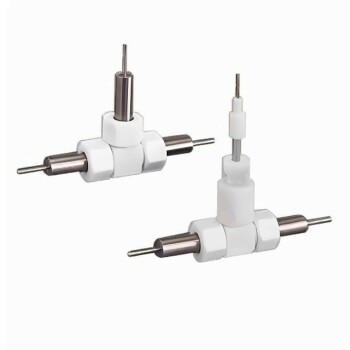
Safe operation of the H-type electrolytic cell requires a disciplined approach centered on strict adherence to operating procedures and rigorous personal protection. You must always wear appropriate protective gear, such as gloves and safety goggles, when handling electrodes or electrolytes to prevent chemical burns and accidents. Furthermore, safety depends on regular equipment inspections, specifically checking for leaks in the sealing and signs of aging in the wiring.
Safety in electrolytic experiments is not just about reacting to accidents, but preventing them through proactive inspection of wiring and seals, alongside the consistent use of Personal Protective Equipment (PPE).
Personal Protection and Environmental Safety
Essential Personal Protective Equipment (PPE)
Strict adherence to operating procedures is the first line of defense against accidents.
Because electrolytes can be corrosive or hazardous, you must take protective measures whenever handling the cell components. Always wear gloves and safety goggles to protect against chemical splashes and direct contact with hazardous substances.
Preventing Electrical and Chemical Injuries
Avoid direct physical contact with electrodes and the electrolyte solution.
Direct contact poses a risk of electric shock due to the active current, as well as chemical burns from the solution. Ensuring a barrier exists between your skin and the experiment is critical.
Fire and Explosion Prevention
Maintain a safe workspace by keeping open flames and flammable materials far away from the cell.
Electrolysis can generate gases (such as hydrogen) that are highly combustible. Eliminating ignition sources prevents fire or explosion hazards during operation.
Equipment Inspection and Integrity
Pre-Use Physical Inspection
Before every experiment, inspect the electrolytic cell to ensure the cell body is free of cracks and all components are intact.
You must specifically check for leaks in the sealing. A compromised seal can lead to electrolyte leakage, damaging equipment and endangering the operator.
Wiring and Electrical Health
Regularly check the condition of the electrical connections.
Look specifically for aging of the wiring. Worn or degraded insulation increases the risk of short circuits and electrical failure, necessitating immediate replacement of affected cables.
Electrode Condition
Ensure electrode surfaces are clean, undamaged, and conductive before use.
Electrodes gradually wear and corrode, which affects performance. They should be handled with care during installation to avoid physical damage that could compromise the safety of the cell.
Operational Monitoring
Gradual Parameter Adjustment
When starting the experiment, do not apply maximum power immediately.
Parameters such as voltage, current, and electrolysis time should be adjusted gradually. This prevents sudden surges that could destabilize the cell or damage the electrodes.
Real-Time Process Monitoring
Closely monitor the working state of the cell throughout the experiment.
Watch for bubble formation on electrode surfaces and color changes in the electrolyte. These visual cues allow you to promptly identify anomalies and address issues before they escalate.
Common Pitfalls and Maintenance Trade-offs
Dangers of Improper Cleaning
Never use metal brushes to clean the cell, as they can scratch surfaces and compromise the cell's integrity.
Crucially, do not mix acid and alkaline cleaning agents (e.g., nitric acid and sodium hydroxide). This combination triggers a dangerous exothermic reaction that poses a severe safety risk.
Handling Malfunctions
If the cell malfunctions—such as leakage, electrode damage, or temperature control failure—stop immediately.
Simple faults, like replacing a sealing ring, can be handled by the user. However, for complex issues or internal repairs, you must contact professional repair personnel rather than attempting a fix yourself.
Making the Right Choice for Your Goal
To ensure both safety and experimental success, apply these guidelines based on your immediate focus:
- If your primary focus is personnel safety: Prioritize wearing gloves and goggles to prevent burns, and isolate the cell from open flames to prevent explosions.
- If your primary focus is equipment longevity: Commit to regular inspections of wiring and sealing, and avoid abrasive cleaning tools like metal brushes.
- If your primary focus is experimental accuracy: Monitor voltage and current gradually, and keep electrodes polished and calibrated to ensure consistent conductivity.
A safe laboratory environment is built on the routine verification of equipment integrity and the disciplined use of protective gear.
Summary Table:
| Safety Category | Key Precaution | Critical Action |
|---|---|---|
| Personal Protection | Chemical & Electrical Safety | Wear gloves and goggles; avoid direct contact with electrodes. |
| Equipment Integrity | Leak & Wiring Checks | Inspect seals for leaks and wiring for aging or insulation damage. |
| Fire Prevention | Gas Flammability | Keep open flames and flammable materials away from the cell area. |
| Operational Control | Parameter Stability | Adjust voltage and current gradually; monitor bubble formation. |
| Maintenance | Chemical Reactions | Never mix acid and alkaline cleaners; avoid metal brushes. |
Elevate Your Electrochemical Research with KINTEK
Ensure maximum safety and precision in your laboratory with high-quality equipment from KINTEK. Whether you are working with H-type electrolytic cells, specialized electrodes, or advanced battery research tools, our products are engineered to meet the highest safety and performance standards.
Why Choose KINTEK?
- Comprehensive Range: From high-temperature furnaces and reactors to precision electrolytic cells and consumables.
- Expert Support: Our team provides the technical guidance you need for complex setups and equipment maintenance.
- Reliable Performance: Durable materials like PTFE and ceramics designed for hazardous chemical environments.
Ready to upgrade your lab's capabilities? Contact us today to discuss your specific requirements and find the perfect solution for your research.
Related Products
- H-Type Double-Layer Optical Electrolytic Electrochemical Cell with Water Bath
- H Type Electrolytic Cell Triple Electrochemical Cell
- Customizable PEM Electrolysis Cells for Diverse Research Applications
- Electrolytic Electrochemical Cell with Five-Port
- Super Sealed Electrolytic Electrochemical Cell
People Also Ask
- What is the overall structure of the H-type double-layer optical water bath electrolytic cell? Precision Design for Controlled Experiments
- How is the electrolyte managed in H-type electrolytic cells for specific reactions? Achieve Precise Control and High Purity
- What checks should be performed on the H-type electrolytic cell before use? Ensure Accurate Electrochemical Data
- What is important regarding temperature control for the H-type electrolytic cell? Ensure Precision and Data Integrity
- What is the overall structure of the H-type electrolytic cell? Understanding Dual-Chamber Electrochemical Designs