Leaching systems function as a critical purification stage for biomass prior to energy conversion. By employing specialized cleaning tanks equipped with stirring devices and specific solvents, these systems actively extract inorganic minerals from the biomass pores. This process transfers problematic elements—specifically potassium, sodium, chlorine, and silica—from the solid material into a liquid phase, effectively lowering the total ash content.
Leaching is a preventative measure against catastrophic equipment inefficiency. By chemically stripping biomass of mineral impurities, you eliminate the root cause of slagging and fouling, thereby safeguarding the operational integrity of industrial boilers and reactors.
The Mechanism of Mineral Extraction
Utilizing Active Solvents
Leaching systems rely on specific solvents, such as deionized water or dilute acids, to treat raw biomass. These fluids are designed to deeply penetrate the porous structure of the material where impurities are trapped.
Mechanical Agitation
The process often occurs in cleaning tanks fitted with stirring devices. This mechanical agitation ensures the solvent effectively contacts the biomass surface, accelerating the transfer of minerals into the liquid phase.
Target Impurities
The primary goal is the removal of inorganic minerals that constitute ash. This includes potassium, sodium, chlorine, and silica, which are naturally present in biomass but detrimental to industrial processing.
Why Ash Removal Matters for Equipment Health
Preventing Slagging and Fouling
When biomass containing high levels of alkali metals (like potassium and sodium) is burned, it forms sticky deposits known as slag. Leaching removes these precursors, significantly reducing the risk of slagging and fouling that can clog boilers.
Extending Equipment Life
By minimizing mineral buildup, leaching systems reduce the physical and chemical stress on thermal equipment. This directly contributes to extending the operational life of industrial boilers.
Avoiding Catalyst Poisoning
In advanced thermochemical reactors, inorganic impurities can coat or chemically deactivate catalysts. Reducing the ash content through leaching is essential to prevent this "poisoning," ensuring reactions remain efficient over time.
Understanding the Trade-offs
Chemical Handling Requirements
The use of dilute acids or specialized solvents introduces a chemical management aspect to the operation. Operators must ensure these fluids are handled safely and that the correct chemical balance is maintained for effective extraction.
Process Complexity
Implementing cleaning tanks and stirring mechanisms adds a mechanical processing step prior to energy conversion. While this adds complexity to the system design, it is a necessary investment to prevent downstream failures.
Making the Right Choice for Your Goal
To determine if a leaching system is critical for your specific application, consider your operational priorities:
- If your primary focus is Equipment Longevity: Implement leaching to remove silica and chlorine, thereby preventing the corrosion and fouling that shorten boiler lifespans.
- If your primary focus is Reaction Efficiency: Use leaching to eliminate inorganic minerals that cause catalyst poisoning, ensuring consistent performance in thermochemical reactors.
Leaching transforms variable, high-ash biomass into a consistent, high-quality fuel source ready for industrial use.
Summary Table:
| Feature | Description | Key Benefits |
|---|---|---|
| Mechanism | Solvents (Water/Acid) + Agitation | Deep extraction of minerals from pores |
| Target Elements | K, Na, Cl, and Silica | Removes precursors of slag and corrosion |
| Equipment Impact | Slagging & Fouling Prevention | Extends operational life and reduces maintenance |
| Process Goal | Purification | Converts raw biomass into high-quality fuel |
Maximize Biomass Potential with KINTEK
Don't let mineral impurities compromise your industrial efficiency. KINTEK specializes in advanced laboratory and industrial solutions, including crushing and milling systems, chemical reactors, and high-temperature furnaces designed to test and process purified materials. Whether you are optimizing biomass conversion or safeguarding your boilers from slagging, our comprehensive portfolio—from pellet presses to PTFE consumables—ensures your research and production meet the highest standards.
Ready to upgrade your biomass processing? Contact our experts today to find the perfect equipment tailored to your specific application!
References
- Martin J. Taylor, Vasiliki Skoulou. Choosing Physical, Physicochemical and Chemical Methods of Pre-Treating Lignocellulosic Wastes to Repurpose into Solid Fuels. DOI: 10.3390/su11133604
This article is also based on technical information from Kintek Solution Knowledge Base .
Related Products
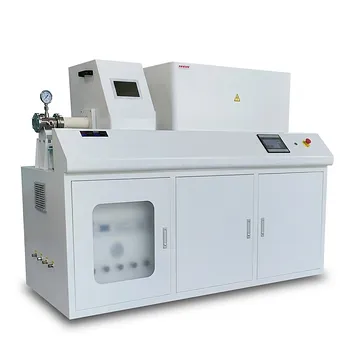
- Chemical Vapor Deposition CVD Equipment System Chamber Slide PECVD Tube Furnace with Liquid Gasifier PECVD Machine
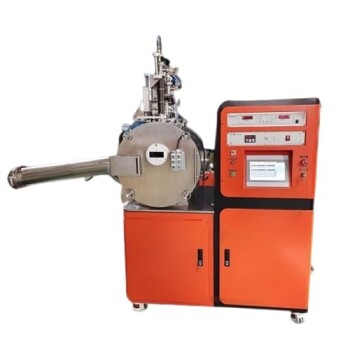
- Vacuum Induction Melting Spinning System Arc Melting Furnace
People Also Ask
- What are the advantages of chemical vapor deposition? Achieve Superior Thin Films for Your Lab
- What types of substrates are used in CVD to facilitate graphene films? Optimize Graphene Growth with the Right Catalyst
- What is the chemical vapor deposition growth process? Build Superior Thin Films from the Atom Up
- How expensive is chemical vapor deposition? Understanding the True Cost of High-Performance Coating
- Why is Chemical Vapor Deposition (CVD) equipment uniquely suited for constructing hierarchical superhydrophobic structures?