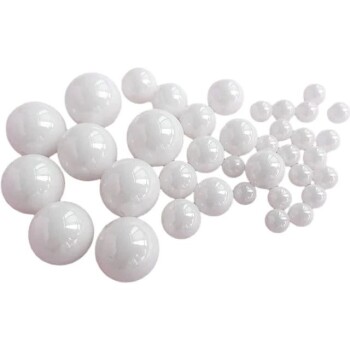
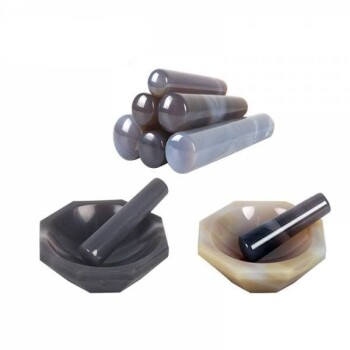
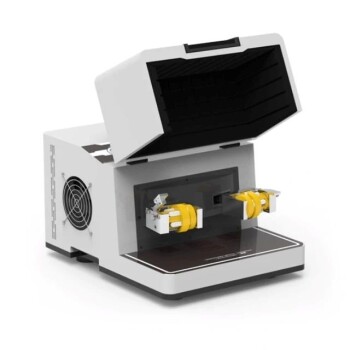
Zirconia (ZrO2) is the definitive choice for processing sulfide materials because it solves the critical problem of contamination. Due to its extreme hardness and chemical inertness, zirconia prevents the introduction of metallic impurities and inhibits side reactions that would otherwise degrade the performance of sensitive solid electrolytes.
Core Takeaway Sulfide solid electrolytes are highly reactive and intolerant to metallic contamination. Zirconia grinding kits are essential because they withstand prolonged, high-energy milling without shedding impurities, ensuring the final material maintains the high purity required for optimal ionic conductivity and electrochemical stability.
The Criticality of Purity in Sulfide Synthesis
The primary challenge in synthesizing sulfide solid electrolytes is maintaining absolute purity during the mechanochemical process. Zirconia addresses this through two specific properties.
Preventing Metallic Contamination
High-energy ball milling involves intense mechanical impacts over long durations. Softer materials, such as stainless steel, inevitably wear down under these conditions.
This wear introduces metallic impurities—specifically iron contaminants—into the powder. Even trace amounts of iron can compromise the electrochemical stability of the electrolyte. Zirconia’s superior wear resistance ensures that the grinding media remains intact, keeping the sample free of foreign metals.
Ensuring Chemical Inertness
Sulfide precursors are chemically active. When processed in reactive vessels, they can engage in unwanted side reactions.
Zirconia is chemically inert, meaning it does not react with these sulfide precursors. This neutrality allows the precursors to react only with each other as intended, preserving the chemical integrity of the synthesized material.
Mechanical Advantages in High-Energy Milling
Beyond chemical stability, the physical properties of zirconia are optimized for the mechanics of the milling process itself.
Withstanding Prolonged Impact
The synthesis of materials like Li6PS5Cl requires prolonged exposure to high-energy forces. Zirconia’s extreme hardness allows it to endure this aggressive environment without degradation.
This durability is essential for consistent results. It ensures that the mechanical energy is used for the synthesis reaction rather than pulverizing the grinding jar or balls.
Efficient Energy Transfer
Zirconia is a high-density material. This density allows for the efficient transfer of mechanical energy from the grinding balls to the powder.
This efficiency is crucial for driving the mechanochemical reaction effectively, ensuring the complete conversion of raw materials into the final electrolyte phase.
Common Pitfalls and Environmental Factors
While zirconia is the correct material choice, how it is used is equally important. Neglecting the environmental context of the milling process can render the material advantages moot.
The Necessity of Environmental Sealing
Sulfide electrolytes are extremely sensitive to moisture and oxygen. Exposure can lead to hydrolysis and oxidation, destroying the material.
Using zirconia alone is not enough; the jars must be high-quality and sealable. They must be capable of maintaining an inert argon gas environment throughout the milling process to prevent atmospheric contamination.
The Risk of Alternative Media
It is a common error to attempt using stainless steel to reduce costs. However, steel media introduces iron, which acts as a conductive impurity.
This contamination lowers the ionic conductivity of the final glass electrolyte. For high-performance solid-state batteries, the trade-off in performance makes steel an unviable option compared to zirconia.
Making the Right Choice for Your Goal
To maximize the success of your sulfide solid electrolyte synthesis, consider these specific objectives:
- If your primary focus is High Ionic Conductivity: Prioritize zirconia to eliminate iron contamination, as metallic impurities directly impede ion transport.
- If your primary focus is Chemical Stability: Rely on zirconia's inertness to prevent side reactions between the highly active sulfide precursors and the vessel walls.
- If your primary focus is Process Safety: Ensure your zirconia jars are hermetically sealed to maintain an argon atmosphere, preventing dangerous hydrolysis of the sulfides.
By selecting zirconia, you align your processing equipment with the strict purity requirements necessary for high-performance solid-state battery materials.
Summary Table:
| Feature | Zirconia (ZrO2) | Stainless Steel | Benefit for Sulfide Processing |
|---|---|---|---|
| Contamination | Ultra-low (Inert) | High (Iron/Metallic) | Maintains electrochemical stability and purity. |
| Wear Resistance | Excellent (High Hardness) | Moderate to Low | Prevents media degradation during long milling cycles. |
| Chemical Reactivity | Chemically Inert | Potentially Reactive | Prevents side reactions with active sulfide precursors. |
| Energy Transfer | High (High Density) | High | Efficient mechanochemical reaction & phase conversion. |
| Atmospheric Control | Sealed Jar Options | Sealed Jar Options | Prevents hydrolysis and oxidation in argon environments. |
Elevate Your Material Research with KINTEK Precision
Don't let metallic contamination compromise your solid-state battery performance. KINTEK specializes in advanced laboratory solutions, providing high-purity zirconia grinding balls and jars, high-energy crushing and milling systems, and specialized vacuum and atmosphere furnaces designed for sensitive material synthesis.
Whether you are developing next-generation sulfide electrolytes or optimizing electrode materials, our comprehensive range of high-temperature reactors, hydraulic presses, and battery research tools ensures your process meets the highest standards of purity and efficiency.
Ready to achieve superior ionic conductivity? Contact our technical experts today to find the perfect equipment for your laboratory needs.
Related Products
- Laboratory Jar Ball Mill with Alumina Zirconia Grinding Jar and Balls
- Precision Machined Zirconia Ceramic Ball for Engineering Advanced Fine Ceramics
- Laboratory Ball Mill Jar Mill with Metal Alloy Grinding Jar and Balls
- Laboratory Jar Mill with Agate Grinding Jar and Balls
- Nature Agate Mortar and Pestle for Grinding and Mixing
People Also Ask
- What are the primary functions of using a ball mill for BZCY72 powder? Achieve High Purity and Enhanced Sintering
- In what way does a laboratory ball mill affect material properties when modifying PHBV/pulp fiber composites?
- Why is a laboratory ball mill required for ultra-fine fly ash? Unlock Nano-Scale Adsorption Power
- What is the function of a laboratory ball mill in the preparation of AMMCs? Optimize Dispersion & Grain Refinement
- What is the function of a laboratory ball mill in the pretreatment of waste tire char (WTC)? Optimize Material Reactivity