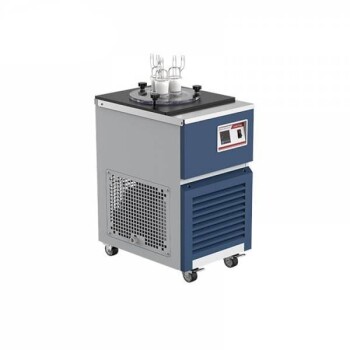
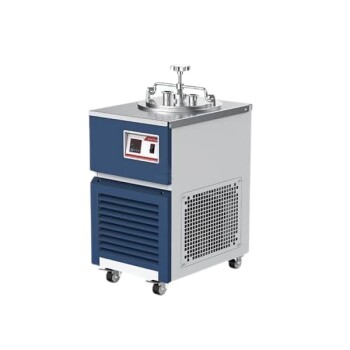
Simulating supercritical water oxidation environments requires precise thermal management. A cooling circulation system is mandatory for two critical reasons: it protects sensitive reactor components (like seals and sensors) from conductive heat damage, and it ensures the integrity of experimental samples by preventing thermal shock during the shutdown phase. Without this system, equipment failure and compromised morphological data are inevitable.
While high heat is required for the reaction, uncontrolled heat transfer destroys equipment and data. A cooling circulation system acts as a thermal barrier for hardware and a regulated ramp-down mechanism for sample preservation.
Protecting Critical Infrastructure
The extreme temperatures required for supercritical water oxidation can be destructive if not contained within specific zones.
Preventing Heat Conduction
High-pressure reactors contain specific "working areas" designed to withstand extreme conditions. However, heat naturally conducts toward the periphery of the vessel. A cooling circulation system intercepts this heat transfer, preventing it from reaching non-working areas.
Safeguarding Seals and Sensors
Precision components, such as high-pressure seals and electronic sensors, are the most vulnerable parts of the system. These components often have lower thermal tolerances than the reactor alloy itself. Active cooling ensures they remain within their operational temperature limits to prevent melting or signal failure.
Ensuring Data Validity
Beyond protecting the hardware, the cooling system is vital for the scientific accuracy of the experiment.
Regulating the Cooldown Process
At the conclusion of an experiment, the transition from supercritical conditions to ambient temperature is critical. A cooling circulation system provides a "controlled cooling process" rather than an abrupt or uneven drop in temperature.
Preventing Oxide Film Damage
Rapid temperature changes cause severe thermal stress on material samples. This stress frequently causes the oxide film on the sample surface to peel off. By controlling the cooling rate, the system preserves the physical structure of the oxide layer.
Maintaining Morphological Authenticity
If the oxide film peels or cracks due to thermal shock, post-experiment analysis becomes useless. A controlled cooldown ensures the sample retains its authentic morphology, allowing for reliable analysis of the oxidation effects.
Common Pitfalls to Avoid
While the necessity of cooling is clear, improper implementation can still lead to issues.
Relying on Passive Cooling
Passive cooling relies on ambient air and is highly unpredictable. It cannot guarantee the gradual temperature ramp-down necessary to keep oxide films intact.
Ignoring Thermal Gradients
Failing to circulate coolant effectively can create hot spots near seals. Even minor conduction leaks can degrade seal integrity over time, leading to dangerous pressure leaks in future runs.
Making the Right Choice for Your Goal
To ensure the longevity of your reactor and the accuracy of your research, apply the following principles to your setup:
- If your primary focus is equipment longevity: prioritize a cooling loop that isolates seal assemblies and sensor ports to stop heat conduction immediately at the source.
- If your primary focus is material analysis: ensure your system allows for a programmable, gradual temperature ramp-down to prevent oxide spallation.
By integrating a robust cooling circulation system, you secure both the physical safety of your lab and the scientific validity of your results.
Summary Table:
| Benefit | Primary Function | Impact on Research |
|---|---|---|
| Equipment Protection | Isolates seals and sensors from heat | Prevents hardware failure and pressure leaks |
| Thermal Management | Prevents heat conduction to non-working zones | Extends the lifespan of high-pressure reactor components |
| Sample Preservation | Regulates the cooldown ramp-down | Prevents oxide film peeling and thermal shock |
| Data Accuracy | Maintains morphological authenticity | Ensures reliable analysis of material oxidation effects |
Secure Your SCWO Research with KINTEK Precision Engineering
Don't let uncontrolled thermal gradients compromise your high-pressure experiments or damage sensitive hardware. KINTEK specializes in providing advanced laboratory solutions, including high-temperature high-pressure reactors and autoclaves, integrated with the cooling and control systems necessary for supercritical research.
Whether you require specialized high-pressure reactors, PTFE-lined vessels, or cooling solutions like ULT freezers and cold traps, KINTEK delivers the durability and precision your laboratory demands. Our experts are ready to help you configure a setup that protects your infrastructure and ensures the validity of your morphological data.
Ready to upgrade your thermal management? Contact KINTEK today for a customized consultation!
References
- Shuwei Guo, Shuzhong Wang. Oxidation Processes and Involved Chemical Reactions of Corrosion-Resistant Alloys in Supercritical Water. DOI: 10.1021/acs.iecr.0c01394
This article is also based on technical information from Kintek Solution Knowledge Base .
Related Products
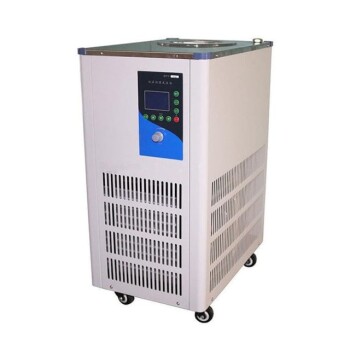
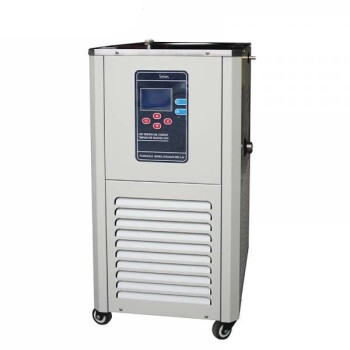
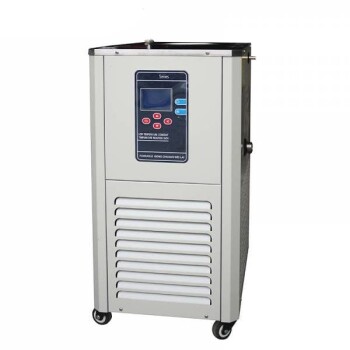
- 100L Chilling Circulator Cooling Water Circulator for Low Temperature Constant Temperature Reaction Bath Water Bath Cooling
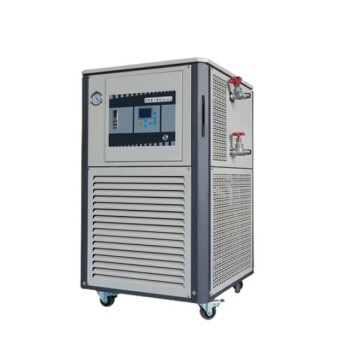
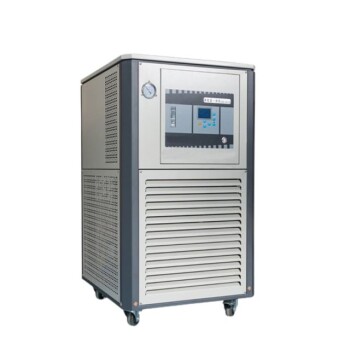
- 100L Heating Chilling Circulator Cooling Water Bath Circulator for High and Low Temperature Constant Temperature Reaction
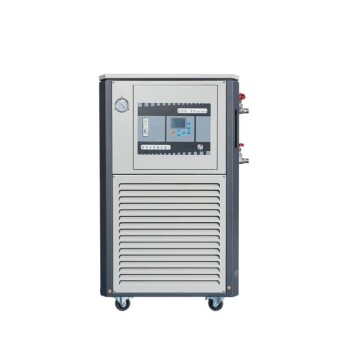
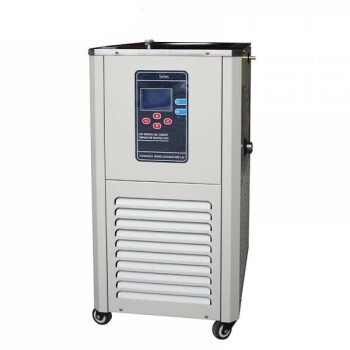
- 10L Heating Chilling Circulator Cooling Water Bath Circulator for High and Low Temperature Constant Temperature Reaction
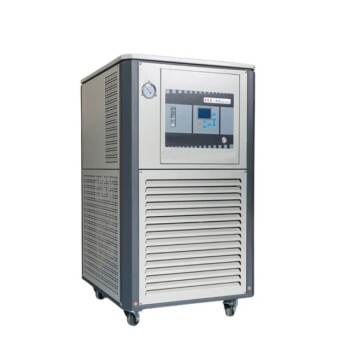
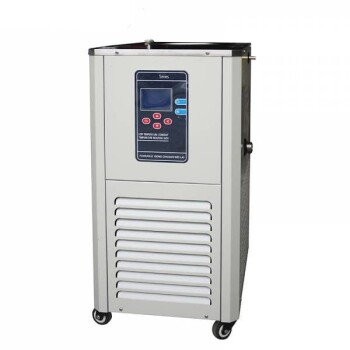
- 20L Heating Chilling Circulator Cooling Water Bath Circulator for High and Low Temperature Constant Temperature Reaction
- 5L Heating Chilling Circulator Cooling Water Bath Circulator for High and Low Temperature Constant Temperature Reaction
People Also Ask
- What function does a circulating cooling chiller perform during the gas adsorption isotherm testing of nanoporous carbon?
- Why is a circulating water chiller required for Prussian Blue nanoparticles? Ensure Stability & Batch Reproducibility
- What is the purpose of a cooling circulation water bath system in electrochemical experiments? Enhance Lab Precision
- How does a constant temperature circulator support the leaching reaction of gold scrap? Optimize Gold Recovery Results
- How do constant temperature circulators impact weight-loss immersion tests? Ensure Precision in Corrosion Analysis