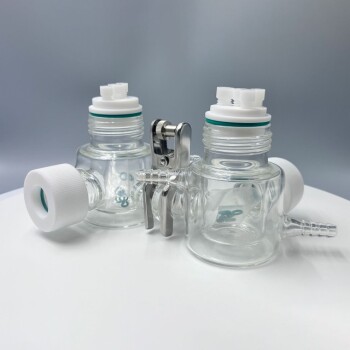
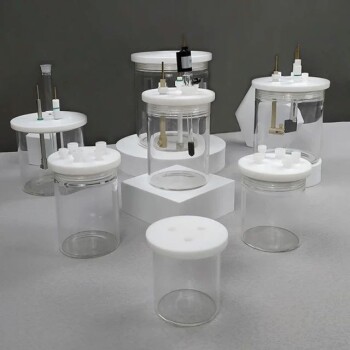
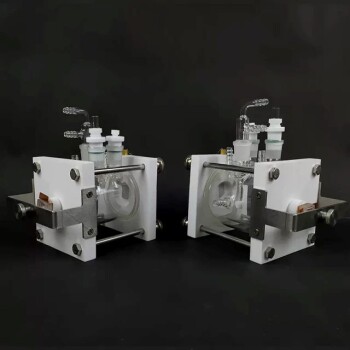
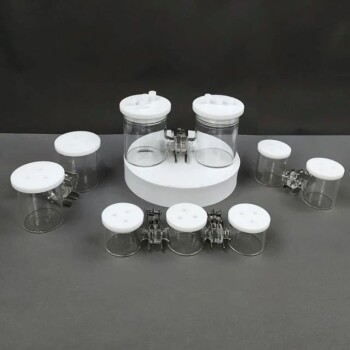
A specialized glass electrochemical cell equipped with a plexiglass lid is strictly necessary to maintain a controlled, chemically inert environment for assessing the corrosion behavior of Zr2.5Nb alloys. The glass vessel resists the corrosive effects of the Ringer solution, while the precision-drilled lid fixes the geometry of the three-electrode system and creates a seal that prevents evaporation and contamination, ensuring the accuracy of polarization curves and open circuit potentials.
To achieve reproducible corrosion data, you must eliminate environmental variables. This apparatus provides a stable chemical baseline by isolating the electrolyte from external impurities and preventing concentration shifts caused by evaporation.
The Importance of Material Stability
Chemical Inertness of the Vessel
The foundation of a valid corrosion test is a reaction vessel that does not react with the test medium. A glass electrochemical cell provides the necessary chemical stability to hold the Ringer solution without introducing artifacts into the data.
Withstanding Corrosive Environments
Simulated body fluid tests involve environments designed to degrade materials. Glass is capable of withstanding these corrosive conditions over long durations, ensuring that the vessel itself does not degrade alongside the Zr2.5Nb alloy.
The Critical Functions of the Plexiglass Lid
Fixing Electrode Geometry
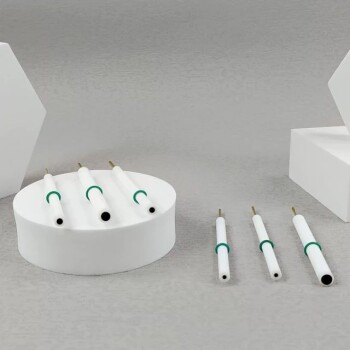
The specialized plexiglass lid is precision-drilled to secure the working electrode, reference electrode, and auxiliary electrode. By locking these components in place, the lid ensures the relative positions of the three-electrode system remain fixed throughout the experiment.
Preventing Electrolyte Fluctuations
A primary source of error in electrochemical testing is the change in electrolyte concentration due to water loss. The lid creates a sealed environment that prevents water evaporation, ensuring the concentration of the Ringer solution remains constant.
Blocking External Contaminants
The lid acts as a physical barrier against the external environment. This prevents dust and other atmospheric impurities from entering the cell, which could otherwise interfere with the collection of delicate polarization curves and open circuit potentials.
Understanding the Trade-offs
Precision vs. Flexibility
While the specialized lid ensures consistent electrode spacing, it reduces experimental flexibility. Because the lid is precision-drilled, you are restricted to a specific electrode size and configuration, making it difficult to swap in non-standard probes without modifying the lid.
Sealing Integrity
The effectiveness of this setup relies entirely on the quality of the seal. If the drilling is not precise or if the lid does not fit the glass vessel perfectly, evaporation can still occur, introducing the very drift in data you are trying to avoid.
Ensuring Experimental Accuracy
To ensure your Zr2.5Nb corrosion assessment yields valid results, consider your specific experimental needs:
- If your primary focus is Data Reproducibility: Rely on the fixed geometry of the plexiglass lid to standardize the distance between the working and reference electrodes across all trials.
- If your primary focus is Long-Term Stability: Ensure the lid provides a hermetic seal to prevent evaporation-induced concentration spikes in the Ringer solution during extended monitoring.
By controlling the chemical environment and electrode geometry, you transform a simple beaker test into a rigorous, scientific instrument.
Summary Table:
| Component | Material | Primary Function in Corrosion Assessment |
|---|---|---|
| Reaction Vessel | Glass | Provides chemical inertness and resistance to Ringer solution corrosion. |
| Cell Lid | Plexiglass | Secures electrode geometry and creates a seal to prevent evaporation. |
| Electrode System | 3-Electrode | Ensures accurate measurement of polarization curves and open circuit potentials. |
| Test Medium | Ringer Solution | Simulates body fluids to evaluate the degradation of Zr2.5Nb alloys. |
Elevate Your Electrochemical Research with KINTEK Precision
Don't let environmental variables compromise your data. KINTEK specializes in high-performance laboratory equipment, providing researchers with the specialized tools needed for rigorous material analysis.
Whether you are performing corrosion assessments on Zr2.5Nb alloys or conducting advanced battery research, our comprehensive portfolio includes:
- High-precision electrolytic cells and specialized electrodes
- Advanced high-temperature furnaces (CVD, PECVD, Vacuum, and Muffle)
- Durable ceramics, crucibles, and chemical-resistant PTFE products
- Professional-grade crushing, milling, and hydraulic pressing systems
Achieve reproducible results and long-term stability in your lab today. Contact KINTEK for a custom solution and see how our expertise in laboratory consumables and equipment can empower your next breakthrough.
References
- Veaceslav Neaga, Elena Roxana Axente. Corrosion Assessment of Zr2.5Nb Alloy in Ringer’s Solution by Electrochemical Methods. DOI: 10.3390/app12167976
This article is also based on technical information from Kintek Solution Knowledge Base .
Related Products
- Side Window Optical Electrolytic Electrochemical Cell
- H-Type Double-Layer Optical Electrolytic Electrochemical Cell with Water Bath
- Glassy Carbon Electrochemical Electrode
- Optical Water Bath Electrolytic Electrochemical Cell
- PTFE Electrolytic Cell Electrochemical Cell Corrosion-Resistant Sealed and Non-Sealed
People Also Ask
- What are the critical safety and operational precautions when using a side-window optical electrolytic cell? Ensure Safe and Accurate Experiments
- What is the correct procedure for post-experiment shutdown and cleaning of a side-window optical electrolytic cell? Ensure Safety and Data Accuracy
- What maintenance procedures are recommended for a side-window optical electrolytic cell? Ensure Data Accuracy & Extend Cell Lifespan
- What are the ideal storage conditions for a side-window optical electrolytic cell? Ensure Long-Term Accuracy and Performance
- What is a side-window optical electrolytic cell? See Your Electrochemical Reactions in Action