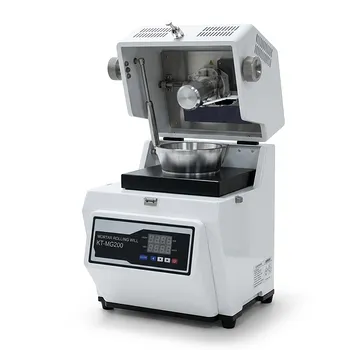
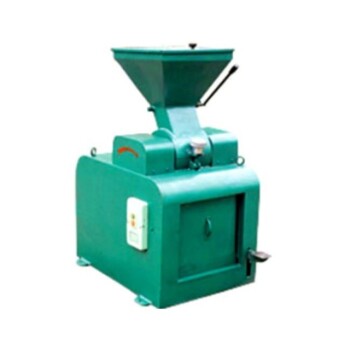
High-power mechanical grinding is the pivotal step that transforms waste eggshells from bulk refuse into potent chemical catalysts. By pulverizing cleaned and dried shells into fine particles, the grinder drastically increases the material's specific surface area. This physical alteration is the fundamental prerequisite for efficient chemical reactions in biofuel production.
The effectiveness of an eggshell catalyst depends entirely on its specific surface area. Mechanical pulverization ensures thorough contact between reactants, directly enhancing catalytic activity and maximizing biodiesel yields.
The Physics of Particle Reduction
Creating Fine Particles
The primary function of a high-power grinder is to reduce the physical size of the eggshell material.
Simple crushing is insufficient; the material must be pulverized into fine particles. This reduction process exposes the internal structure of the shell material, preparing it for chemical interaction.
Maximizing Specific Surface Area
The transition from coarse fragments to fine dust results in a massive increase in specific surface area.
This is the critical metric for catalyst performance. A larger surface area means there are significantly more active sites available to interact with chemical reactants at any given moment.
Impact on Biodiesel Production
Enhancing Catalytic Activity
For processes like transesterification (the chemical conversion of oil to biodiesel), the catalyst must be highly active.
The high surface area achieved through grinding directly boosts this activity. It reduces the mass transfer limitations that often hinder chemical reactions in solid-catalyzed systems.
Ensuring Thorough Contact
Fine particle sizes facilitate better mixing and interaction within the reaction vessel.
This ensures thorough contact between the reactants (such as oil and alcohol) and the catalyst surface. Without this intimate contact, the reaction rate would be sluggish, and the conversion process would be inefficient.
Improving Overall Yield
The ultimate goal of using high-power grinding is to maximize production output.
By optimizing the physical state of the catalyst, the process achieves a higher yield of biodiesel. The investment in mechanical energy for grinding pays off in the form of more efficient chemical conversion.
Understanding the Process Requirements
Pre-processing Necessity
While the grinder is essential, it cannot work effectively on raw waste.
The reference highlights that eggshells must be cleaned and dried before grinding. Moisture or organic contaminants can interfere with the pulverization process and the subsequent chemical reaction.
The Requirement for High Power
Achieving the necessary particle fineness requires significant mechanical energy.
A standard grinder may not possess the torque or speed required to pulverize hard calcified shells into the micron-sized particles needed for optimal catalysis. High-power equipment is specified because it ensures the material is reduced consistently and efficiently.
Making the Right Choice for Your Goal
To optimize your biodiesel production process using eggshell catalysts, consider the following:
- If your primary focus is Maximum Yield: Prioritize the use of high-power equipment capable of achieving the finest possible particle size to maximize surface area.
- If your primary focus is Process Consistency: Ensure all shells are thoroughly cleaned and completely dried before they enter the grinder to prevent clumping and ensure uniform pulverization.
Mechanical preparation is not just a preliminary step; it is a critical variable that dictates the chemical success of your project.
Summary Table:
| Feature | Impact on Catalyst Performance | Importance for Biofuel |
|---|---|---|
| Particle Size Reduction | Pulverizes bulk shell into fine micron-sized powder | Critical for exposing internal structures |
| Surface Area Increase | Creates a massive number of active chemical sites | Maximizes reaction sites for transesterification |
| Mass Transfer | Reduces limitations in solid-catalyzed systems | Speeds up the chemical conversion rate |
| Mixing Efficiency | Facilitates thorough contact between reactants | Ensures higher biodiesel yield and consistency |
| High-Power Torque | Consistent pulverization of hard calcified shells | Prevents clumping and ensures uniform fineness |
Revolutionize Your Green Energy Research with KINTEK
Turning waste into energy requires precision and power. KINTEK specializes in advanced laboratory solutions designed to optimize your material processing. Whether you are scaling up biodiesel production or conducting foundational chemical research, our high-performance crushing and milling systems and sieving equipment ensure you achieve the exact particle size needed for maximum catalytic activity.
From high-temperature furnaces for calcination to specialized high-pressure reactors and pellet presses, KINTEK provides the comprehensive tools required for modern laboratories and industrial R&D. Our equipment is engineered for durability and efficiency, helping you achieve superior yields and consistent results.
Ready to enhance your lab's productivity? Contact our experts today to find the perfect equipment for your specific application and discover the KINTEK advantage!
References
- Omojola Awogbemi, Victor Sunday Aigbodion. Pathways for Sustainable Utilization of Waste Chicken Eggshell. DOI: 10.32604/jrm.2022.019152
This article is also based on technical information from Kintek Solution Knowledge Base .
Related Products
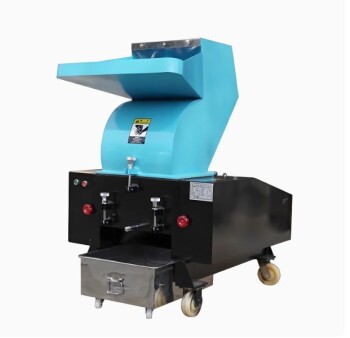
- Powerful Plastic Crusher Machine
- High Energy Planetary Ball Mill Milling Machine for Laboratory
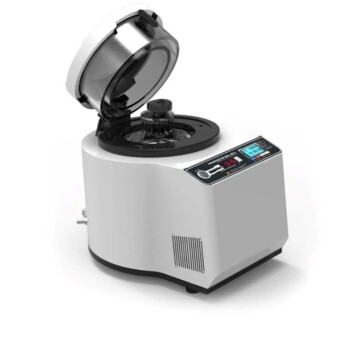
- Laboratory High Throughput Tissue Grinding Mill Grinder
- High Energy Planetary Ball Mill Milling Machine for Laboratory
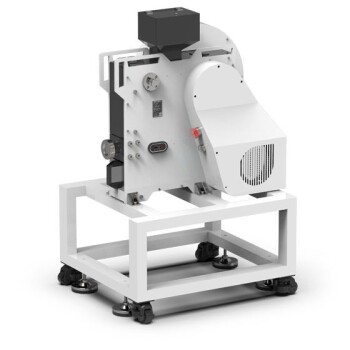
- High Energy Vibratory Laboratory Ball Mill Grinding Mill Single Tank Type
People Also Ask
- What is the primary purpose of using an industrial-grade grinder for flax straw? Optimize Biomass Pretreatment Now
- What is the primary function of a crushing system? Optimize Rice Husk Fractionation with Precise Size Reduction
- What is the primary function of industrial crushers in battery dismantling? Optimize Your Recovery Feedstock
- What are the contaminants in plastic pyrolysis oil? Manage Impurities for Commercial Success
- Why is it necessary to use an ultrasonic cell disruptor before yeast flow cytometry? Ensure Data Accuracy