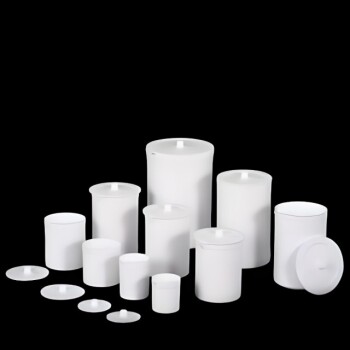
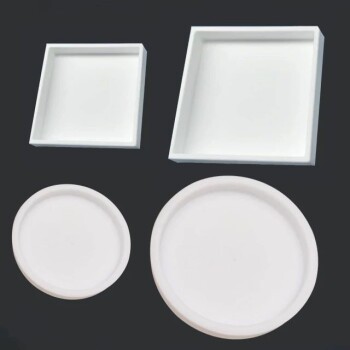
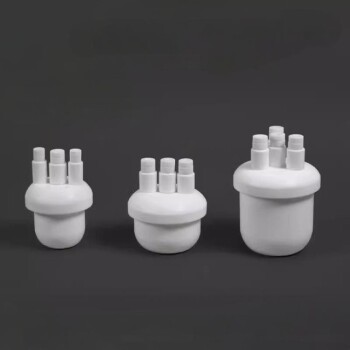
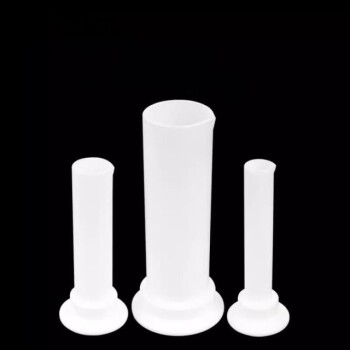
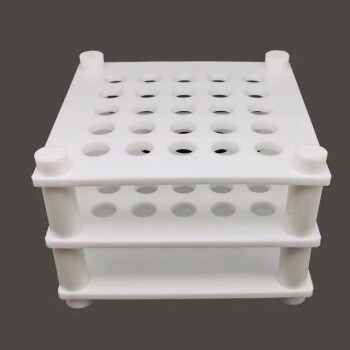
A high-pressure reactor with a polytetrafluoroethylene (PTFE) liner is essential to create a chemically inert, high-stress environment required for this specific synthesis. This setup serves two critical functions: it enables the necessary high-temperature and high-pressure conditions for zirconium ion self-assembly, and it acts as a barrier against corrosion to ensure the absolute purity of the final catalyst.
The PTFE liner serves as a critical isolation shield. It allows the reaction to utilize aggressive polar solvents and high heat to drive molecular assembly without dissolving the reactor walls or contaminating the delicate UIO-66 crystal structure.
Creating the Optimal Reaction Environment
To synthesize diatomite-supported hydroxyl-modified UIO-66, you must create conditions that force specific chemical interactions. The reactor setup is not merely a container; it is an active participant in the thermodynamic process.
Facilitating Molecular Self-Assembly
The synthesis relies on the self-assembly of zirconium ions and organic ligands.
This process requires a sealed, high-temperature, and high-pressure environment. The reactor vessel confines the volatile components, raising the internal pressure to drive the formation of the Metal-Organic Framework (MOF) structure effectively.
Withstanding Polar Solvents
Solvothermal synthesis typically employs strongly polar organic solvents.
At elevated temperatures, these solvents become highly aggressive chemically. The PTFE liner is necessary because it remains stable and non-reactive even when exposed to these harsh solvents under heat and pressure.
Ensuring Material Purity and Integrity
The most common failure mode in catalyst synthesis is contamination. The PTFE liner is the primary defense against this issue.
Preventing Metal Ion Contamination
Standard stainless steel reactors contain iron, chromium, and nickel.
Without a liner, the harsh reaction medium could leach these metal ions from the container walls. The PTFE liner prevents this interaction entirely, ensuring the synthesized catalyst is not "doped" or poisoned by unintended metallic impurities.
Resisting Equipment Corrosion
The synthesis environment is corrosive by nature.
The liner protects the structural steel of the reactor from chemical attack. This ensures the longevity of your equipment and prevents the degradation of the reactor shell during repeated synthesis cycles.
Understanding the Trade-offs
While the PTFE liner is required for chemical inertness, it introduces specific physical constraints that you must manage.
Thermal Limits of Polymers
Unlike the steel shell, the PTFE liner has a lower maximum operating temperature.
While the supplementary data notes that furnaces (for calcination) operate between 300°C and 500°C, PTFE liners typically cannot withstand the upper end of that range. You must ensure the synthesis temperature remains within the thermal tolerance of the PTFE to prevent deformation or melting, which would breach the containment.
Physical Durability
PTFE is softer than metal and prone to physical damage.
Scratches or abrasions inside the liner can create hard-to-clean nucleation sites for future reactions. Careful handling is required to maintain the smooth, inert surface necessary for high-purity synthesis.
Making the Right Choice for Your Goal
The use of this specific reactor setup dictates the quality of your output.
- If your primary focus is Catalyst Activity: Prioritize the integrity of the PTFE liner to ensure zero metal leaching, as impurities can drastically alter catalytic performance.
- If your primary focus is Equipment Longevity: Strictly adhere to temperature ramp rates to prevent differential thermal expansion between the liner and the steel shell.
By securing the reaction environment with a PTFE liner, you transform a volatile chemical process into a controlled, reproducible engineering protocol.
Summary Table:
| Feature | Purpose in UIO-66 Synthesis | Key Benefit |
|---|---|---|
| High-Pressure Vessel | Contains volatile polar solvents at high heat | Drives zirconium ion self-assembly |
| PTFE (Teflon) Liner | Provides a chemically inert barrier | Prevents metal ion leaching and contamination |
| Sealed Environment | Creates high internal stress | Facilitates MOF structure formation |
| Corrosion Resistance | Protects reactor walls from aggressive media | Extends equipment lifespan and ensures purity |
Elevate Your MOF Synthesis with KINTEK Precision
High-purity catalyst development demands equipment that can withstand the harshest chemical environments. KINTEK specializes in providing advanced laboratory solutions, including high-temperature high-pressure reactors and autoclaves equipped with premium PTFE liners designed specifically for solvothermal synthesis.
Whether you are working on battery research, material self-assembly, or complex MOF structures like UIO-66, our comprehensive range of crushing and milling systems, furnaces, and PTFE consumables ensures your research is never compromised by impurities or equipment failure.
Ready to optimize your lab's performance? Contact our technical experts today to find the perfect reactor configuration for your specific research needs.
References
- Huilai Liu, Xing Chen. Efficient Degradation of Sulfamethoxazole by Diatomite-Supported Hydroxyl-Modified UIO-66 Photocatalyst after Calcination. DOI: 10.3390/nano13243116
This article is also based on technical information from Kintek Solution Knowledge Base .
Related Products
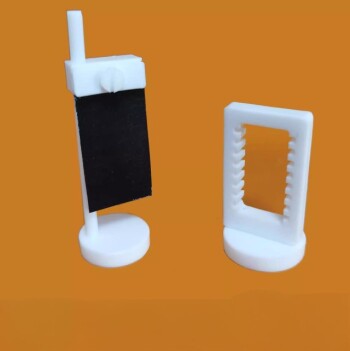
- Custom PTFE Teflon Parts Manufacturer for Hydrothermal Synthesis Reactor Polytetrafluoroethylene Carbon Paper and Carbon Cloth Nano-growth
- Stainless High Pressure Autoclave Reactor Laboratory Pressure Reactor
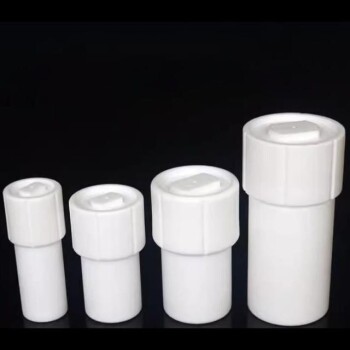
- Custom PTFE Teflon Parts Manufacturer for Reagent Wide Mouth Fine Mouth Sample High Temperature Bottles
- Customizable High Pressure Reactors for Advanced Scientific and Industrial Applications
- High Pressure Laboratory Autoclave Reactor for Hydrothermal Synthesis
People Also Ask
- What is the function of a PTFE reactor in MXene etching? Ensure Safe, High-Purity MAX Phase Conversion
- Why is a PTFE reactor required for titanium-based nano-ceramic coating solutions? Ensure Chemical Inertness & Purity
- Why must a Polytetrafluoroethylene (PTFE) reactor be used for Ti3C2TX MXene etching? Ensure Safety and Purity
- Why are PTFE reactors preferred for silver phosphate glass testing? Ensure Purity and Kinetic Accuracy
- What are the advantages of using polytetrafluoroethylene (PTFE) liners in hydrothermal synthesis reactors? High Purity