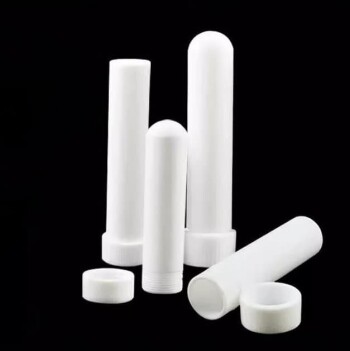
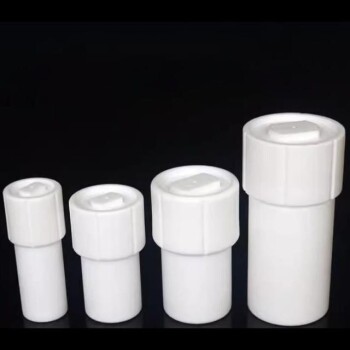
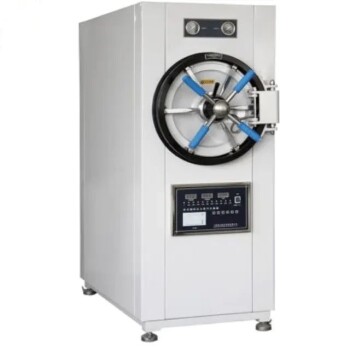
A PTFE-lined stainless steel autoclave is strictly required to create the controlled hydrothermal environment necessary for synthesizing Ag@N-TiO2 while maintaining absolute chemical purity. This apparatus enables the reaction to reach high temperatures (typically 130 °C) and pressures, which forces the silver nanoparticles to bind effectively to the substrate, while the liner prevents the vessel from contaminating the delicate photocatalyst.
The stainless steel shell provides the structural strength to handle high pressure, while the PTFE liner acts as a critical chemical barrier, preventing corrosion and ensuring the final material remains free of metallic impurities.
The Role of Hydrothermal Conditions
The synthesis of silver-modified N-doped titanium dioxide is not a simple mixing process; it requires a specific physical environment to ensure the materials combine correctly.
Facilitating Uniform Loading
The autoclave creates a sealed, high-pressure system. As the temperature rises to 130 °C over the standard 3-hour treatment period, the internal pressure increases significantly.
This pressure forces the reaction solution into the microstructure of the titanium dioxide. This ensures that the silver nanoparticles are loaded uniformly across the surface rather than clumping in specific areas.
Ensuring Stable Binding
Simple surface contact is often insufficient for robust photocatalysts. The high-energy environment provided by the autoclave facilitates stronger chemical interactions.
This leads to the stable binding of silver to the nitrogen-doped titanium dioxide. A stable bond is essential for ensuring the silver does not detach during subsequent use.
The Critical Function of the PTFE Liner
While the stainless steel shell handles the physics (pressure and heat), the PTFE (polytetrafluoroethylene) liner handles the chemistry.
Ensuring Chemical Inertness
The reaction solution used to prepare Ag@N-TiO2 can be reactive, particularly at elevated temperatures. PTFE is chemically inert, meaning it will not react with the precursor solution.
It acts as a shield, containing the liquid safely even as the thermal energy drives the synthesis forward.
Preventing Equipment Corrosion
Without the liner, the harsh reaction conditions would likely attack the inner surface of the stainless steel shell.
This corrosion would compromise the structural integrity of the autoclave over time, creating a significant safety hazard under high pressure.
Maintaining High Purity
The most critical role of the liner is preventing contamination. If the solution were to corrode the steel, metallic ions (such as iron or chromium) would leach into the mixture.
These metallic impurities would integrate into the photocatalyst. This degradation of purity significantly reduces the efficiency of the final Ag@N-TiO2 product.
Risks of Improper Equipment Use
Understanding the "why" helps avoid common failures in the laboratory.
The Cost of Liner Failure
If the PTFE liner is scratched, damaged, or omitted, the barrier is broken. The reaction solution will immediately interact with the steel shell.
Impurity-Induced Performance Loss
Even trace amounts of metallic contaminants from the vessel can ruin the catalyst. These impurities often act as recombination centers for electrons, effectively neutralizing the photocatalytic activity you are trying to create.
Making the Right Choice for Your Goal
When setting up your synthesis for Ag@N-TiO2, consider these specific priorities:
- If your primary focus is mechanical stability: Ensure the stainless steel shell is properly secured to sustain the 130 °C conditions required for the firm binding of silver nanoparticles.
- If your primary focus is catalytic efficiency: Inspect the PTFE liner rigorously before use to guarantee no metallic impurities leach into your reaction mixture.
By utilizing this specific dual-layer apparatus, you secure the structural environment needed for bonding without sacrificing the chemical purity required for performance.
Summary Table:
| Component | Primary Function | Benefit for Ag@N-TiO2 Synthesis |
|---|---|---|
| Stainless Steel Shell | Structural Support | Sustains high-pressure & 130°C for uniform loading. |
| PTFE Liner | Chemical Barrier | Prevents corrosion and ensures high material purity. |
| Sealed Environment | Hydrothermal Control | Facilitates stable chemical binding of silver nanoparticles. |
| Inert Surface | Contamination Shield | Prevents metallic ions (Fe/Cr) from ruining catalytic activity. |
Elevate your material synthesis with KINTEK’s premium laboratory solutions. Specialized in high-temperature high-pressure reactors and autoclaves, we provide the precision and purity required for advanced photocatalyst research. From robust PTFE-lined vessels to essential ceramics and crucibles, KINTEK empowers researchers with reliable, high-performance equipment. Contact us today to optimize your lab's efficiency and ensure the integrity of your delicate chemical reactions.
References
- D.S. Tsoukleris, Evangelia A. Pavlatou. Chemically Modified TiO2 Photocatalysts as an Alternative Disinfection Approach for Municipal Wastewater Treatment Plant Effluents. DOI: 10.3390/w15112052
This article is also based on technical information from Kintek Solution Knowledge Base .
Related Products
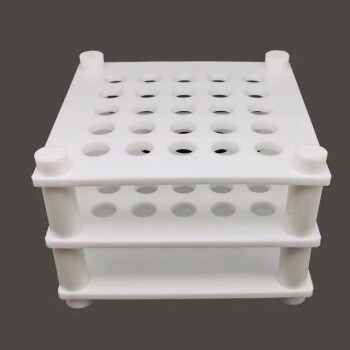
- Custom PTFE Teflon Parts Manufacturer for Centrifuge Tube Racks
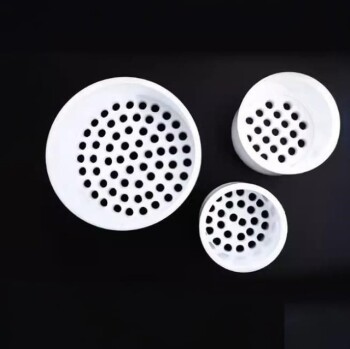
- Custom PTFE Teflon Parts Manufacturer for PTFE Mesh F4 Sieve
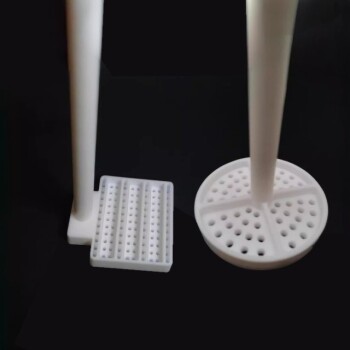
- Custom PTFE Teflon Parts Manufacturer Corrosion Resistant Cleaning Rack Flower Basket
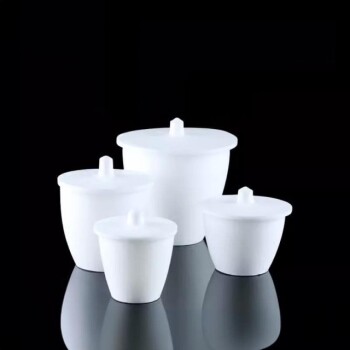
- Custom Machined and Molded PTFE Teflon Parts Manufacturer with PTFE Crucible and Lid
- Custom PTFE Teflon Parts Manufacturer for Cleaning Racks
People Also Ask
- Why is slender PTFE tubing necessary for flow control in multi-channel catalyst aging? Ensure Equal Gas Distribution
- Why are PTFE containers required for PCT leaching tests? Ensure Chemical Inertness and Analytical Precision
- Why are PTFE containers necessary for selective HF etching of MAX phases? Ensure Safe & Pure MXene Synthesis
- What role do PTFE containers play in trace metal detection? Ensure Analytical Precision in Photocatalysis Studies
- Why is a PTFE container required for acid leaching of silicon nanosheets? Ensure High Purity and Safety