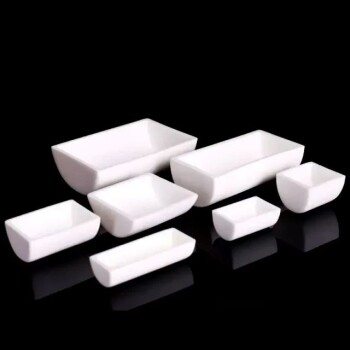
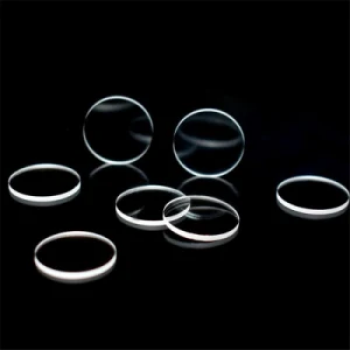
A quartz boat is the preferred sample carrier for biochar pyrolysis because it provides an exceptionally stable, non-reactive environment at extreme temperatures. Quartz can withstand thermal environments exceeding 800°C—and up to 1000°C—without deforming or leaching metallic impurities into the sample. This chemical inertness ensures that the resulting biochar remains pure, allowing researchers to obtain accurate data during subsequent adsorption and electrochemical analysis.
Quartz boats serve as a chemically neutral platform that prevents container-driven contamination during high-temperature activation. Their resistance to thermal shock and corrosive activators makes them indispensable for maintaining the integrity of biochar's physical and chemical properties.
Chemical Inertness and Sample Purity
Avoiding Metallic Contamination
Quartz is a high-purity material that does not introduce external metal ions into the biochar during the heating process. This is critical for studies involving electrochemical purity or precise adsorption measurements, where even trace amounts of metal could catalyze unintended reactions or skew data.
Resistance to Aggressive Activators
Biochar activation often involves harsh chemical agents like potassium hydroxide (KOH) or phosphates. Quartz resists chemical erosion from these strong alkaline and acidic activators at temperatures where other materials would corrode or react with the biomass.
Maintaining Process Neutrality
During pyrolysis, quartz does not react with nitrogen-based modifiers or the lignocellulose found in raw biomass. This neutrality ensures that the final chemical composition of the biochar is a direct result of the experimental variables rather than a reaction with the container.
Thermal Integrity and Structural Stability
Exceptional High-Temperature Resistance
Quartz maintains its structural shape and mechanical strength at temperatures reaching 1000°C. Unlike lower-grade ceramics or metals that may sag or oxidize, quartz provides a consistent and reliable platform for the duration of the pyrolysis cycle.
Superior Thermal Shock Resistance
Pyrolysis in tube furnaces often involves rapid heating and cooling phases. Quartz possesses a very low coefficient of thermal expansion, allowing it to withstand these thermal cycles without cracking or shattering.
Geometric Precision for Uniform Pyrolysis
The flat design of most quartz boats facilitates the spreading of biomass into a thin, uniform layer. This geometry ensures that gaseous products generated during the process can interact evenly with the substrate, leading to a more homogenous final product.
Understanding the Trade-offs
Physical Fragility
While quartz is thermally robust, it is physically brittle and susceptible to mechanical impact. Researchers must handle these boats with extreme care, as a small drop or improper storage can lead to immediate breakage.
Devitrification Over Time
Repeated use at extreme temperatures can lead to devitrification, where the amorphous quartz begins to crystallize. This process causes the material to become cloudy and brittle, eventually necessitating replacement to prevent failure during a run.
Material Costs
High-purity quartz boats represent a higher upfront investment compared to stainless steel or standard alumina carriers. However, this cost is usually justified by the elimination of contamination variables that could invalidate expensive research.
Selecting the Right Carrier for Your Goal
To ensure the best results for your specific biochar application, consider the following recommendations:
- If your primary focus is high-precision adsorption studies: Use high-purity quartz to guarantee that no metallic impurities interfere with the surface area or pore structure analysis.
- If your primary focus is aggressive KOH activation: Prioritize quartz for its superior resistance to alkaline erosion, which protects both the sample and the longevity of the carrier.
- If your primary focus is high-throughput screening with neutral precursors: You may consider alumina carriers if the temperature remains below 800°C and metallic contamination is not a concern for your specific end-use.
Selecting a quartz boat ensures that the chemical signature of your biochar is a result of your deliberate process rather than a byproduct of your equipment.
Summary Table:
| Key Feature | Benefit for Biochar Pyrolysis | Capability |
|---|---|---|
| Chemical Inertness | Prevents metallic contamination & resists harsh activators (KOH) | High-purity silica |
| Thermal Resistance | Maintains structural integrity without deformation or oxidation | Up to 1000°C |
| Thermal Shock Resistance | Prevents cracking during rapid heating and cooling cycles | Low expansion coefficient |
| Geometric Precision | Facilitates thin-layer spreading for uniform gaseous interaction | Flat, shallow design |
Elevate Your Research Precision with KINTEK
Achieving consistent, high-purity results in biochar pyrolysis requires more than just high temperatures—it requires a controlled, non-reactive environment. KINTEK specializes in advanced laboratory solutions, offering a comprehensive range of high-temperature tube and muffle furnaces, CVD systems, and premium quartz and ceramic consumables tailored for material science.
Our high-purity quartz boats and precision heating equipment ensure your samples remain free from contamination, allowing for accurate electrochemical and adsorption analysis. Whether you are scaling up biochar production or conducting delicate activation studies, KINTEK provides the reliability and expertise you need.
Ready to optimize your thermal processing workflow? Contact Our Technical Experts Today to discover how our furnaces and laboratory essentials can enhance your research outcomes.
References
- Xian Zhang, Stijn Van Hulle. Synthesis, characterization, and comparison of N-modified biochar with different nitrogen sources for bisphenol A adsorption. DOI: 10.1007/s13399-023-05224-3
This article is also based on technical information from Kintek Solution Knowledge Base .
Related Products
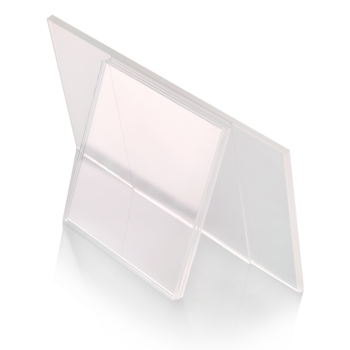
- Optical Window Glass Substrate Wafer Quartz Plate JGS1 JGS2 JGS3
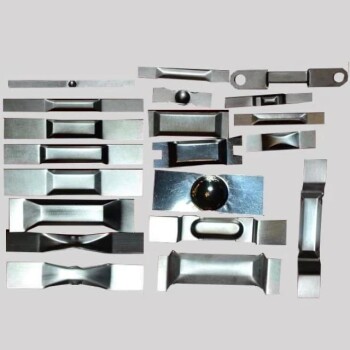
- Molybdenum Tungsten Tantalum Special Shape Evaporation Boat
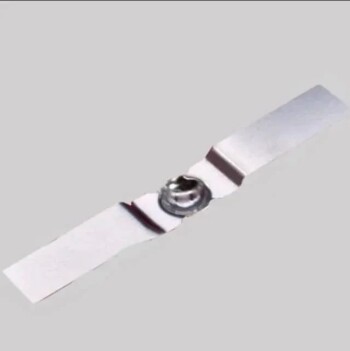
- Hemispherical Bottom Tungsten Molybdenum Evaporation Boat
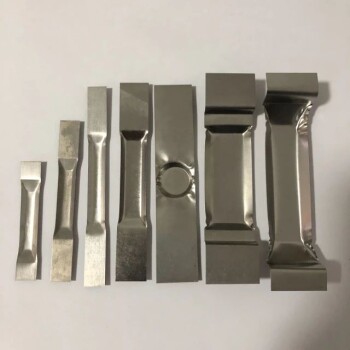
- Tungsten Evaporation Boat for Thin Film Deposition
- Aluminized Ceramic Evaporation Boat for Thin Film Deposition
People Also Ask
- What is optical quartz? The Ultimate Material for UV and High-Temp Optics
- Can quartz glass be heated? Mastering High-Temperature Applications with Quartz
- What is the temperature range of quartz glass? Master Its Thermal Limits for Demanding Applications
- What is the working temperature of quartz glass? Master Its High-Temp Limits & Applications
- What temperature does quartz glass melt at? Understanding Its Softening Point and Practical Limits