Fluorine-doped tin oxide (FTO) glass is the superior choice for photoelectrocatalytic substrates because it uniquely withstands the rigorous conditions of both electrode fabrication and operation. It combines high optical transparency and electrical conductivity with exceptional thermal and chemical stability, ensuring the electrode remains intact during high-temperature annealing and exposure to harsh electrolytes.
The Core Reality While many materials act as transparent conductors, FTO is distinct because it does not degrade under the extreme heat required to synthesize active thin films. It functions as a robust, chemically resistant "bridge" for electrons, ensuring efficient energy conversion where other substrates would fail.
The Intersection of Performance and Durability
To understand why FTO is the industry standard for photoelectrocatalytic thin-film electrodes, one must look beyond simple conductivity. The material’s value lies in its ability to maintain its properties during aggressive processing steps and corrosive operating environments.
Optical and Electrical Synergy
The fundamental requirement for a photoanode is the ability to admit light while transporting energy. FTO glass possesses high visible light transmittance, allowing photons to reach the active photocatalytic layer without obstruction.
Simultaneously, it offers excellent electrical conductivity. This duality ensures that while light enters the system efficiently, the resulting electrical current meets minimal resistance.
Thermal Resilience in Fabrication
Creating effective thin films often involves high-heat processes, such as the sol-gel method used for titanium dioxide preparation.
FTO glass is distinguished by its high thermal stability. Unlike other conductive coatings that may degrade or lose conductivity when heated, FTO withstands the high-temperature annealing necessary to crystallize and activate the semiconductor film.
Chemical Stability in Operation
Photoelectrocatalysis frequently occurs within aggressive chemical environments. FTO glass exhibits remarkable chemical corrosion resistance.
It remains stable even when submerged in strong acidic or alkaline electrolytes. This prevents the degradation of the substrate during long-term operation, a common failure point for less robust materials.
The Electron Bridge Function
Beyond its physical robustness, FTO plays an active role in the system's efficiency. It functions as a critical bridge for the collection and transmission of charge carriers.
Specifically, it captures photogenerated electrons from the active film and transports them to the external circuit. This seamless transmission is vital for constructing efficient transparent photoanodes.
Why Alternative Substrates Often Fail
When selecting a substrate, it is crucial to recognize the specific failure modes that FTO avoids.
The Annealing Trap
If a substrate lacks thermal stability, the conductive layer will deteriorate during the sintering or annealing phase. This renders the electrode useless before it is even deployed, making FTO the only viable option for high-temperature synthesis methods like sol-gel.
The Corrosion Risk
In strong electrolytes, a chemically weak substrate will dissolve or delaminate over time. FTO’s resistance to both acids and alkalis ensures that the structural integrity of the electrode is maintained throughout the experiment or application lifecycle.
Making the Right Choice for Your Goal
FTO is not just a passive support; it is an active component that enables specific chemical and thermal processes.
- If your primary focus is High-Temperature Fabrication: Choose FTO to ensure the conductive layer survives processes like annealing, which are essential for materials like titanium dioxide.
- If your primary focus is Chemical Durability: Rely on FTO for long-term stability in harsh acidic or alkaline electrolytes where other conductive glasses would corrode.
By utilizing FTO glass, you ensure a stable, highly conductive foundation that maximizes the efficiency and lifespan of your photoelectrocatalytic system.
Summary Table:
| Property | Advantage | Benefit to Photoelectrocatalysis |
|---|---|---|
| Optical Clarity | High visible light transmittance | Maximizes photon absorption in active layers |
| Conductivity | Low sheet resistance | Efficient collection/transmission of electrons |
| Thermal Stability | Resists high annealing heat | Enables sol-gel and crystallization processes |
| Chemical Resistance | Acid/Alkali corrosion resistant | Ensures long-term stability in harsh electrolytes |
| Durability | High structural integrity | Prevents substrate degradation during operation |
Elevate Your Research with Precision-Engineered FTO Glass
Don't let substrate degradation compromise your energy conversion efficiency. KINTEK specializes in high-performance materials and laboratory equipment designed to meet the rigorous demands of advanced electrochemistry. From high-quality FTO glass substrates to high-temperature furnaces for annealing and specialized electrolytic cells, we provide the tools needed for reliable photoelectrocatalytic breakthroughs.
Our expertise extends to a comprehensive range of laboratory consumables (PTFE, ceramics, crucibles) and battery research tools, ensuring your lab is equipped for excellence.
Ready to optimize your thin-film electrode fabrication? Contact KINTEK today for expert guidance and premium supplies!
References
- Guilherme G. Bessegato, María Valnice Boldrin Zanoni. Achievements and Trends in Photoelectrocatalysis: from Environmental to Energy Applications. DOI: 10.1007/s12678-015-0259-9
This article is also based on technical information from Kintek Solution Knowledge Base .
Related Products
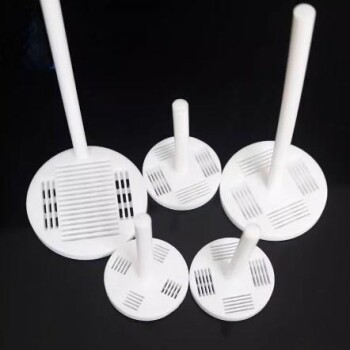
- Custom Machined and Molded PTFE Teflon Parts Manufacturer for Laboratory ITO FTO Conductive Glass Cleaning Flower Basket
- Float Soda-Lime Optical Glass for Laboratory Use
- Optical Window Glass Substrate Wafer CaF2 Substrate Window Lens
- CF Ultra-High Vacuum Observation Window Stainless Steel Flange Sapphire Glass Sight Glass
- KF Ultra-High Vacuum Observation Window 304 Stainless Steel Flange High Borosilicate Glass Sight Glass
People Also Ask
- What should be monitored during the cleaning process when using a PTFE cleaning basket? Ensure Reliable Results & Prevent Damage
- What precautions should be taken regarding the physical handling and loading of a PTFE cleaning basket? Prevent Damage and Ensure Process Integrity
- How should a PTFE cleaning basket be cleaned before its initial use? A Critical First Step for Process Integrity
- What is the maximum operating temperature for a PTFE cleaning basket? Avoid Catastrophic Failure at 260°C
- How should a PTFE cleaning basket be stored when not in use? Maximize Lifespan & Prevent Contamination